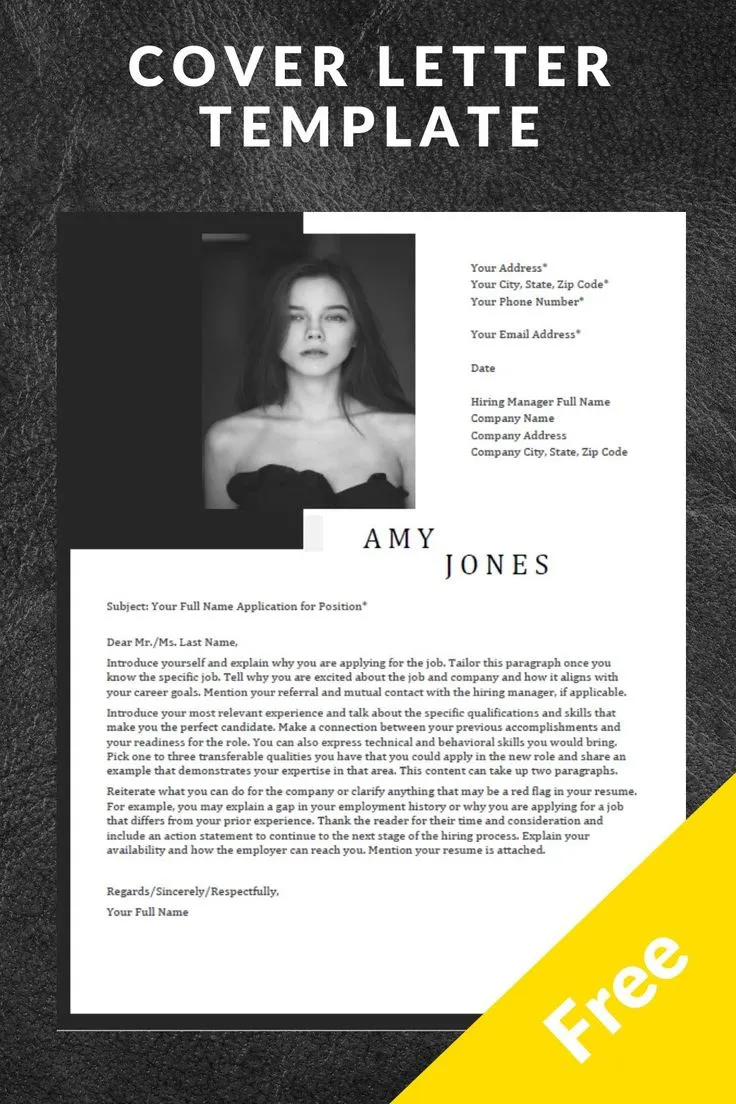
What is a Cover Letter
A cover letter is a critical document that accompanies your resume when applying for a job. It serves as your personalized introduction to a potential employer, offering context and emphasizing your qualifications and enthusiasm for a particular position. Unlike a resume, which provides a concise summary of your experience, a cover letter allows you to elaborate on your skills, experiences, and explain why you are the perfect fit for the role. It is your chance to make a strong first impression and showcase your personality and communication skills. A well-written cover letter can significantly boost your chances of securing an interview, demonstrating your sincere interest in the role and the company.
Why Use a Cover Letter
In today’s competitive job market, a cover letter is not just a formality, it’s a strategic tool to set you apart from other applicants. While your resume outlines your skills and experiences, your cover letter creates a narrative, explaining how these experiences and skills match the requirements of the job. This is also an excellent opportunity to showcase your writing skills, demonstrate your understanding of the role, and express your genuine interest in the company. Many hiring managers consider a cover letter essential, using it to assess your communication skills, attention to detail, and level of enthusiasm. By crafting a cover letter, you have the chance to personalize your application and demonstrate to the employer that you have taken the time to understand their needs.
Key Components of a Cover Letter

A well-structured cover letter usually includes several key components that work together to craft a compelling narrative. These elements should be carefully placed to hold the hiring manager’s attention. Begin with your contact information, followed by a professional salutation addressing the hiring manager or the relevant department. The opening paragraph should immediately grab attention by stating the purpose of the letter and your interest in the position. The body paragraphs should highlight your relevant skills, experiences, and achievements, with specific examples. Your closing paragraph should reiterate your interest, express gratitude, and include a clear call to action, such as requesting an interview. Each section plays a vital role in communicating your qualifications and enthusiasm.
Contact Information
Begin with your contact information. This section should be placed at the top of your cover letter, making it easy for the hiring manager to reach you. Include your full name, phone number, email address, and optionally, your LinkedIn profile URL. Ensure that your contact information is accurate and professional. Double-check your email address to avoid typos and consider creating a professional-sounding email if you don’t have one. This information should be clearly formatted, typically aligned to the left or right, and should be visually distinct from the rest of the content. A well-presented contact section makes sure that the hiring manager can easily get in touch if they are interested in your application.
Professional Salutation
The salutation sets the tone for your cover letter, which is why it’s crucial to get it right. Always start with a professional greeting. Ideally, address the hiring manager by name. If you are unable to find the name, you can research on LinkedIn or the company website to identify the hiring manager or the person responsible for the role. If a name is unavailable, use a general greeting like ‘Dear Hiring Manager’ or ‘Dear [Department Name] Team.’ Avoid generic greetings such as ‘To Whom It May Concern’ as they can make your letter seem impersonal. Using the hiring manager’s name shows that you’ve taken the time to personalize your application and show genuine interest in the opportunity.
Opening Paragraph [Grab Attention]

The opening paragraph is your opportunity to immediately capture the hiring manager’s attention. It should clearly state the position you are applying for and where you found the job posting. Show your enthusiasm and excitement for the role and the company. Briefly mention why you would be a good fit for the position, hinting at your key qualifications. This paragraph should be concise, engaging, and demonstrate your understanding of the company’s needs and values. A strong opening paragraph piques the reader’s interest and encourages them to continue reading, establishing a positive tone for the rest of your cover letter. A well-crafted opening sets the stage for highlighting your suitability for the role.
Body Paragraphs [Highlight Skills]
The body paragraphs constitute the core of your cover letter, where you showcase your skills and experiences. Instead of simply listing your responsibilities, focus on demonstrating how your skills align with the job requirements. Provide specific examples of your achievements and quantify them whenever possible to show your impact. Use action verbs to describe your experiences and highlight what you have to offer. Structure your paragraphs logically, organizing your points around key skills or requirements mentioned in the job description. Tailor each body paragraph to the specific role and the company, making sure to emphasize the most relevant experiences and achievements. Remember, the aim is to show, not just tell, how you are a perfect fit for the position.
Specific Skills Matching the Job Description
Carefully analyze the job description and identify the key skills and qualifications the employer is seeking. In your body paragraphs, highlight these skills and provide concrete examples of how you’ve used them in previous roles. Use the same keywords and phrases from the job description to demonstrate that you understand what the employer is looking for and are able to meet their requirements. For each skill you mention, describe a specific situation where you applied it, the actions you took, and the results you achieved. By demonstrating your understanding of the job requirements and offering proof of your skills, you increase your chances of making a strong impression on the hiring manager. This approach shows that you are well-qualified and have the necessary skills.
Quantifiable Achievements

Whenever possible, quantify your achievements to demonstrate your impact. Use numbers, percentages, and data to provide concrete evidence of your successes. For example, instead of saying “Improved customer service,” say “Increased customer satisfaction scores by 15% through implementing a new training program.” Quantifiable achievements make your claims more credible and show the hiring manager the value you can bring to their company. Use metrics to illustrate your impact on previous employers, showing how your actions led to positive outcomes. This approach helps demonstrate the tangible results you can achieve, making a more compelling case for your candidacy and showing that you have a proven track record of success.
Closing Paragraph [Call to Action]
The closing paragraph is your final opportunity to leave a positive impression. Reiterate your interest in the position and the company, and summarize why you are a strong candidate. Express your enthusiasm and reiterate your key qualifications. Include a clear call to action, such as requesting an interview or expressing your availability for further discussion. This prompts the hiring manager to take the next step. Keep the tone professional and confident, reiterating your eagerness to contribute to the company. A well-crafted closing paragraph leaves the hiring manager with a lasting positive impression and encourages them to move forward with your application.
Express Gratitude
Always end your cover letter by expressing gratitude to the hiring manager for considering your application. Thank them for their time and attention, showing that you value their effort in reviewing your materials. This simple act of courtesy can leave a positive impression and demonstrate your professionalism and respect. A brief expression of gratitude is a polite way to conclude your letter and reinforce your positive attitude. This also reinforces the idea that you appreciate the opportunity to be considered for the role, leaving a favorable final impression.
Formal Closing

Choose a professional and appropriate closing for your cover letter. Options include ‘Sincerely,’ ‘Respectfully,’ ‘Best regards,’ or ‘Thank you.’ The most common and versatile options are ‘Sincerely’ or ‘Best regards.’ Avoid casual closings like ‘Cheers’ or ‘See you later,’ as they may not be appropriate for a professional context. After your closing, leave a few blank lines and type your full name. If you’re submitting a hard copy, leave space for your signature above your typed name. A formal closing reinforces the professionalism and attention to detail that should characterize your cover letter.
Free Cover Letter Templates [Top 5]
Using a cover letter template can save you time and ensure your letter has a professional format. Many websites offer free cover letter templates that you can download and customize. These templates provide a structured framework, making it easy to organize your thoughts and highlight your qualifications. Choosing the right template depends on your style and the industry, so it’s a good idea to explore various options. Here are five categories to get you started, ensuring you can find the perfect design to fit your needs. Be sure to tailor the template to the specific job and your individual skills and experiences.
Template 1 [Modern Design]
Modern cover letter templates often feature clean lines, contemporary fonts, and a minimalist aesthetic. These templates are suitable for a wide range of industries, especially those in creative fields, technology, or design. A modern design often places your contact information in the header or sidebar, creating a visually appealing layout. These templates are easy to adapt and can be customized to reflect your personal brand. Consider using a modern template if you want to convey a sense of innovation and professionalism, ensuring it is formatted well for easy readability. A well-designed modern template can make a strong, memorable impression.
Template 2 [Simple Format]

A simple cover letter template provides a straightforward and clean format, emphasizing your content over design. These templates typically use standard fonts and a clear layout that is easy to read and scan. They are versatile and suitable for any industry. A simple format ensures the focus remains on your qualifications and experiences, making it easy for the hiring manager to quickly grasp your key points. If you prefer a more traditional approach or if the job requires a less flashy presentation, a simple template is an excellent choice. The focus on content helps your skills shine through.
Template 3 [Professional Look]
A professional cover letter template is designed to project a polished and sophisticated image. These templates often incorporate subtle design elements, such as a slightly more formal font and a structured layout that conveys a sense of authority and trustworthiness. Professional templates are ideal for industries like finance, law, and consulting, where a conservative and reliable image is essential. The goal is to create a sophisticated presentation that reflects your expertise and commitment. By using a professional template, you can ensure your cover letter is well-organized and projects the right image to potential employers.
Template 4 [Creative Style]
Creative cover letter templates enable you to express your personality and showcase your design skills. These templates frequently feature unique layouts, colors, and visual elements that make your letter stand out. They are appropriate for industries such as marketing, graphic design, or any role where creativity is a key requirement. When using a creative template, be sure that it aligns with your brand and the job requirements. The goal is to demonstrate your design skills and your ability to think outside the box. Ensure that the design is professional and easy to read. A creative template can make a lasting impression if used correctly.
Template 5 [Entry-Level Focused]

Entry-level cover letter templates are designed specifically for those with limited work experience. They provide a structure that emphasizes skills, education, and extracurricular activities, which are valuable when applying for your first job. These templates typically focus on transferable skills and highlight any relevant coursework, volunteer work, or internships. The format helps you present yourself in a way that showcases your potential and enthusiasm. By using an entry-level template, you can effectively communicate your value to employers, even without extensive work experience. These templates are helpful for making a positive impression.
Tips for Customizing Your Template
Once you’ve chosen a free cover letter template, it’s crucial to customize it to fit your specific needs and the job requirements. Start by personalizing the template with your contact information. Next, carefully tailor the content to match the job description. Highlight your most relevant skills, experiences, and achievements. Customize the language and tone to reflect your personality and the company culture. Consider adding a header with your name and contact information to each page. Adjust the layout to ensure it is easy to read and visually appealing. Customization shows your interest in the role, making your cover letter stand out from generic applications. Always proofread your personalized cover letter to make sure it’s mistake-free.
Proofreading and Formatting
Proofreading is essential. Before submitting your cover letter, meticulously proofread it for any grammatical errors, typos, or formatting inconsistencies. Mistakes can undermine your credibility, so double-check all of the content. Use a spell checker, but also read the letter multiple times to catch any errors that the software might miss. Ensure consistent font styles, sizes, and spacing throughout the document. Make sure the formatting is clean and easy to read, with clear headings and paragraphs. Review the layout to make sure it looks professional and visually appealing. A well-proofread and formatted cover letter demonstrates your attention to detail and professionalism, making a positive impression on the hiring manager. If possible, have a friend or colleague review the document for additional feedback.
Adapting for Different Job Types

Adapt your cover letter to suit the specific job and industry. Tailor the content to highlight the skills and experiences most relevant to the position. If you’re applying for a job in a creative field, consider using a creative template and incorporating visual elements. For more formal industries, use a professional template and a more conservative tone. Research the company and customize your letter to reflect their values and culture. Consider the job type to make sure your letter reflects industry standards. Tailoring your cover letter will demonstrate your understanding of the role and your commitment to the company.
Finalizing and Submitting Your Cover Letter
Before submitting your cover letter, double-check all of the details. Ensure that your contact information is correct and that you’ve addressed the letter to the right person. Review the job description and confirm that your letter highlights the required skills and experiences. Save your cover letter in a professional format, such as PDF, to preserve the formatting. When submitting your application online, follow the instructions provided by the employer. If you’re sending your application via email, include the cover letter as an attachment. Before submitting your application, make sure to have all your attachments named correctly. Submitting a well-prepared cover letter and resume increases your chances of getting noticed.
By following these guidelines, you can craft a compelling cover letter that effectively showcases your qualifications and enhances your chances of landing your dream job. A cover letter is essential; use it to your advantage to get noticed.