Crafting Your Entry-Level Paralegal Cover Letter
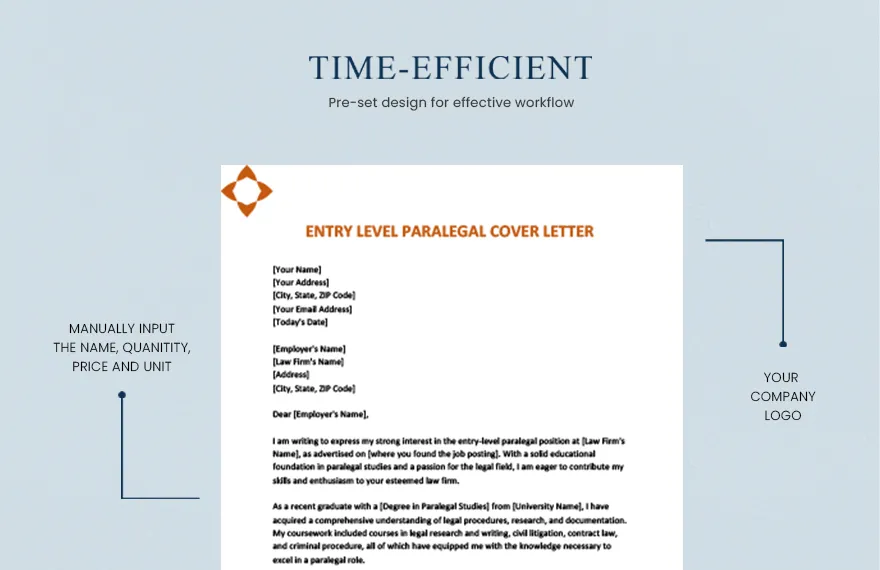
A well-crafted entry-level paralegal cover letter is your first step toward landing your dream job. It’s more than just a formality it’s your opportunity to introduce yourself, showcase your skills and experience, and express your enthusiasm for the position. This guide will walk you through the essential components of creating a compelling cover letter that grabs the attention of potential employers. From understanding the purpose of a cover letter to highlighting your key skills and tailoring your letter to each job, we’ll cover everything you need to know. We’ll also delve into formatting, body paragraph construction, and provide valuable tips to avoid common mistakes.
Understanding the Purpose of a Cover Letter
Your cover letter serves as a personalized introduction and a crucial element in your job application package. Unlike your resume, which is a straightforward summary of your qualifications, a cover letter allows you to elaborate on your skills, explain your career goals, and demonstrate your understanding of the specific job and the law firm you are applying to. It is your chance to connect with the hiring manager on a personal level and convey why you are the best candidate for the role. The primary purpose is to persuade the employer to read your resume and consider you for an interview. So, make it count!
Highlighting Your Skills

Identify and emphasize the skills that make you a strong candidate. These can include legal research, writing, communication, organizational abilities, and computer proficiency. Even if you’re entry-level, you can showcase relevant skills learned in school, internships, or volunteer experiences. Tailor the skills you highlight to match the requirements of the job description, using keywords from the job posting to show that you’ve read and understood what the employer is looking for. Don’t just list skills; provide examples of how you’ve used them in the past and the results you achieved. For example, did you manage a project, conduct research, or draft documents?
Researching the Law Firm
Before you start writing, research the law firm or legal department you are applying to. Understand their areas of practice, their values, and their recent achievements. This research allows you to tailor your cover letter to their specific needs and demonstrate your genuine interest in the opportunity. Visit their website, read news articles about the firm, and check their social media profiles. Mention specific projects, cases, or initiatives that resonate with you and explain how your skills and experience align with their goals. This shows that you’re not just sending out generic applications, but that you’ve taken the time to learn about the organization.
Formatting Your Entry-Level Paralegal Cover Letter
A well-formatted cover letter is essential for making a positive first impression. It should be easy to read, professional in appearance, and free of errors. Use a standard font like Times New Roman or Arial in a 12-point size. Maintain consistent margins and line spacing (1.0 or 1.15). Keep your letter to one page. The structure should be logical, with clear sections and paragraphs. This will make it easier for the hiring manager to quickly scan your letter and understand your key qualifications. Proper formatting demonstrates attention to detail and professionalism, qualities highly valued in the legal field.
Contact Information and Date

At the top of your cover letter, include your contact information, including your name, address, phone number, and email address. Make sure your email address is professional (e.g., firstname.lastname@email.com). Below your contact information, include the date. Following the date, address the letter to the hiring manager by name if possible. If you can’t find a name, use a professional salutation such as “Dear Hiring Manager” or “Dear [Law Firm Name] Hiring Team”.
The Salutation
The salutation sets the tone for your cover letter. Aim for a professional and respectful tone. Ideally, address the hiring manager by name (e.g., “Dear Mr. Smith,”). If you’re unsure of the name, use a generic salutation like “Dear Hiring Manager” or “Dear [Law Firm Name] Team.” Avoid overly casual greetings or abbreviations. Ensure you spell the person’s name correctly. A personalized salutation demonstrates that you’ve done your research and are genuinely interested in the opportunity.
The Body Paragraphs
The body paragraphs are the heart of your cover letter. They allow you to provide more detail about your skills and experience and demonstrate your enthusiasm for the role. Use three to four concise paragraphs to convey your message. The first paragraph should grab the reader’s attention, the second should highlight your skills and experience, and the third should express your interest in the firm and the specific position. Make sure your paragraphs are well-structured, with clear topic sentences and supporting details. Use active voice and strong verbs to make your writing more compelling.
The Closing
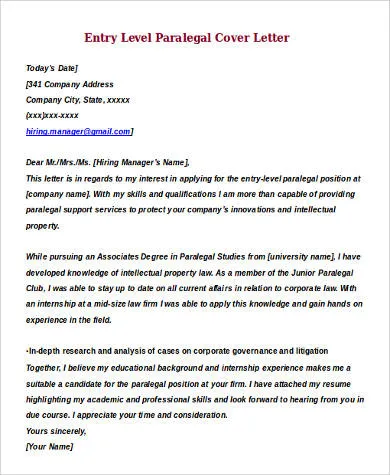
Your closing should reiterate your interest in the position and express your eagerness for an interview. Thank the reader for their time and consideration. Include a call to action, such as “I look forward to hearing from you soon” or “Thank you for considering my application. I am available for an interview at your earliest convenience.” Reiterate your contact information, and sign off with a professional closing, such as “Sincerely” or “Best regards” followed by your full name. Review the complete letter before sending it.
Writing the Perfect Body Paragraphs
The body paragraphs are the meat of your cover letter, where you sell yourself to the employer. Each paragraph should have a specific purpose and contribute to your overall message. Write with clarity, focus, and strong verbs. This section will guide you through creating the most effective paragraphs.
First Paragraph Grab Their Attention
The first paragraph is your introduction. It needs to grab the reader’s attention and clearly state the purpose of your letter. Start by mentioning the specific position you are applying for and where you saw the job posting. Briefly mention your key qualifications or a unique achievement that makes you stand out. Show enthusiasm and express your interest in the firm. This will make the hiring manager want to read more. Make it clear why you’re interested in the job and why you’re a good fit.
Second Paragraph Showcase Skills & Experience

The second paragraph is where you highlight your relevant skills and experience. Since you’re applying for an entry-level paralegal position, focus on transferable skills, academic achievements, and any relevant experiences, such as internships, volunteer work, or part-time jobs. Use concrete examples to demonstrate your skills, rather than simply listing them. For instance, instead of saying “I have strong research skills,” say “During my internship, I conducted legal research, analyzed cases, and summarized findings for the supervising attorney.” Show, don’t just tell.
Third Paragraph Express Your Enthusiasm
The third paragraph is your opportunity to express your enthusiasm for the specific position and the law firm. Explain why you are interested in this particular opportunity and what attracts you to the firm’s values, mission, or areas of practice. Mentioning specific aspects of the firm, such as their involvement in a particular case or their commitment to pro bono work, shows that you have done your research. Connect your skills and experience with the job requirements, and explain how you believe you can contribute to the firm’s success. End with a strong call to action.
Proofreading Your Cover Letter
Proofreading is a critical step in the cover letter writing process. Errors in grammar, spelling, and punctuation can create a negative impression and undermine your credibility. Take the time to carefully review your letter for any mistakes. Read it aloud to catch awkward phrasing or unclear sentences. Ask a friend, family member, or career counselor to proofread your letter as a fresh pair of eyes can often spot errors you might have missed. Ensure your cover letter is free of typos and other errors. This shows that you are detail-oriented and professional.
Common Mistakes to Avoid

Be mindful of common mistakes that can derail your application. Avoid these pitfalls to increase your chances of success.
Formatting Errors
Poor formatting can make your cover letter difficult to read and project an unprofessional image. Always use a professional font like Times New Roman or Arial. Ensure your margins and line spacing are consistent. Avoid excessive use of bolding, italics, or underlining. Proofread your letter to ensure there are no formatting inconsistencies or errors.
Ignoring the Job Description
Failing to tailor your cover letter to the specific job description is a common mistake. Always carefully review the job posting and tailor your cover letter to highlight the skills, experiences, and qualifications that the employer is seeking. Use keywords from the job description to show that you understand the requirements of the position. Avoid sending out a generic cover letter; personalize each letter to match the specific job.
Tailoring Your Letter

Tailoring your cover letter to each job application is essential. It demonstrates that you’ve invested time and effort into understanding the specific requirements of the position and the law firm’s needs. This level of personalization increases your chances of making a positive impression and standing out from the competition.
Customizing for Each Application
Customize your cover letter for each job you apply for. Avoid using a generic template without making any adjustments. Research the law firm, understand the specific requirements of the job, and highlight the skills and experiences that align with those requirements. Show that you are genuinely interested in the specific opportunity and not just sending out mass applications. This will significantly boost your chances of getting an interview.
Using Keywords from the Job Description
Carefully review the job description and identify the keywords and phrases that are most important. Use these keywords throughout your cover letter to demonstrate that you have the skills and experience the employer is seeking. Incorporate keywords naturally into your sentences. Ensure you can show how your skills and experience align with their needs. This helps your cover letter pass through applicant tracking systems and makes it clear to the hiring manager that you meet their criteria.
Entry-Level Paralegal Cover Letter Examples
Reviewing examples of successful entry-level paralegal cover letters can provide valuable insights into how to structure your letter and showcase your qualifications. Many online resources provide templates and examples. Use these examples as a guide, but always personalize your cover letter to reflect your unique skills and experience. Pay attention to the language, formatting, and overall tone of the examples. This will help you create a compelling cover letter that grabs the attention of potential employers and helps you land your dream job.