Understanding the Engineering Cover Letter
An engineering cover letter serves as your personal introduction to a potential employer, complementing your resume and providing a space to highlight your key skills, experiences, and enthusiasm for a specific role. It’s more than just a formality; it’s a crucial opportunity to make a strong first impression and demonstrate how your qualifications align with the company’s needs. The cover letter is your chance to go beyond the bullet points of your resume and tell a compelling story about why you’re the perfect fit for the job, showcasing your personality and passion for engineering. It shows your communication skills and your ability to tailor your application to a specific opportunity.
Why an Engineering Cover Letter Matters
In the competitive field of engineering, a well-crafted cover letter can be the deciding factor in getting you an interview. It allows you to showcase your personality, enthusiasm, and specific interest in the role and the company. Unlike a resume, which provides a factual overview of your qualifications, a cover letter lets you articulate your motivations, explain gaps in your experience, and demonstrate how your skills and experiences align with the job requirements. It’s an opportunity to make a strong first impression and convince the hiring manager that you are the right candidate for the job. Recruiters often look at the cover letter first to gauge your interest in the role.
Key Components of an Engineering Cover Letter

A successful engineering cover letter includes several key components that work together to present you as a qualified and enthusiastic candidate. Start with your contact information and the date, followed by a professional salutation. Your opening paragraph should grab the reader’s attention and clearly state the position you’re applying for and how you found the job. The body of the letter should then highlight your relevant skills, experience, and achievements, providing specific examples and quantifying your accomplishments whenever possible. Finally, express your enthusiasm for the role and the company in your closing paragraph, and include a call to action by indicating your willingness to discuss your qualifications further. Always proofread your letter before submitting.
Contact Information and Date
Begin your cover letter with your contact information at the top, typically on the left side of the page. This should include your full name, phone number, email address, and professional LinkedIn profile URL (if you have one). Below your contact information, include the date. Following the date, if you know the hiring manager’s name and title, include it at the top of the letter. This immediately personalizes your application and shows that you’ve taken the time to research the company and the specific role. If the hiring manager’s name is not known, you can use a general greeting such as ‘Dear Hiring Manager’.
The Salutation
The salutation sets the tone for the rest of your cover letter. If you know the name of the hiring manager, use a formal salutation like ‘Dear Mr./Ms. [Last Name]’. Addressing the letter to a specific person demonstrates that you’ve done your research and are genuinely interested in the opportunity. If the name of the hiring manager is not available, use a professional salutation, such as ‘Dear Hiring Manager’ or ‘Dear [Company Name] Hiring Team’. Avoid generic greetings like ‘To Whom It May Concern’, as they can make your letter feel impersonal. Ensure that the name is correctly spelled and the title is accurate.
Opening Paragraph Crafting a Strong Start

The opening paragraph is your first opportunity to capture the reader’s attention. Clearly state the position you are applying for and where you found the job posting. Briefly mention something that sparked your interest in the company or the role, showing that you’ve researched the company and understand its mission. Use this paragraph to give a glimpse of your enthusiasm and your understanding of the role’s requirements. Make your introduction concise, enthusiastic, and relevant to the job. This initial impression sets the stage for the rest of your cover letter and encourages the reader to continue reading. A strong opening sets the tone for the rest of the letter and makes a positive first impression.
Highlighting Skills and Experience
The body of your cover letter should highlight your skills and experience relevant to the job description. Instead of just listing your qualifications, provide specific examples that showcase your abilities. Describe your achievements and quantify your contributions whenever possible. Tailor your letter to the specific requirements of the role, emphasizing the skills and experiences that align with the company’s needs. Use action verbs to describe your accomplishments and demonstrate how you’ve successfully applied your knowledge in past projects. Use keywords from the job description to help your application get noticed by applicant tracking systems (ATS). Show, don’t just tell, by providing examples of how you’ve used these skills to solve problems or achieve results.
Quantifying Achievements using numbers
To make your achievements more impactful, quantify them with numbers and data. Instead of saying you ‘improved efficiency,’ state that you ‘increased efficiency by 15%’. Use metrics to showcase your accomplishments, such as project budgets, deadlines met, and successful outcomes. Providing concrete numbers gives the hiring manager a clear understanding of the value you can bring to the role. When describing projects, mention the size of the team you worked with, the budget you managed, or the number of people impacted by your work. Numbers add credibility and help you stand out from other applicants. This approach demonstrates your ability to deliver measurable results.
Showcasing Relevant Projects

Use your cover letter to briefly describe relevant projects from your academic or professional experience. Highlight your role in these projects and the specific contributions you made. Focus on projects that align with the job requirements and showcase skills mentioned in the job description. Mention the challenges you overcame, the technologies you used, and the results you achieved. This can include your senior design project, internships, or any other relevant experiences. Describe your project in detail to show the hiring manager you have experience. By providing specific examples, you provide concrete evidence of your abilities and your capacity to apply your knowledge in real-world scenarios.
Demonstrating Technical Skills
In engineering, technical skills are paramount. List the specific technical skills relevant to the job, such as CAD software proficiency, programming languages, or experience with specific machinery or tools. Provide details about your proficiency level with these skills. Include examples of how you have applied these skills in past projects. Mention any relevant certifications or training you have received. Your goal should be to convince the hiring manager that you possess the technical expertise needed to succeed in the role. By aligning your technical skills with the job description, you demonstrate your capability to perform the job tasks effectively. The more detail, the better.
Expressing Enthusiasm for the Role and Company
Show genuine enthusiasm for the role and the company. Mention what specifically attracts you to the position and what aspects of the company’s mission or projects resonate with you. Do your research: read about the company’s recent projects, awards, or initiatives. Show that you understand the company’s values and that you are excited about contributing to their goals. Briefly explain why you’re interested in the role and the specific contributions you hope to make. Your enthusiasm demonstrates that you’re not just looking for a job but are passionate about the opportunity and the company. This enthusiasm makes you a more attractive candidate.
Closing the Letter
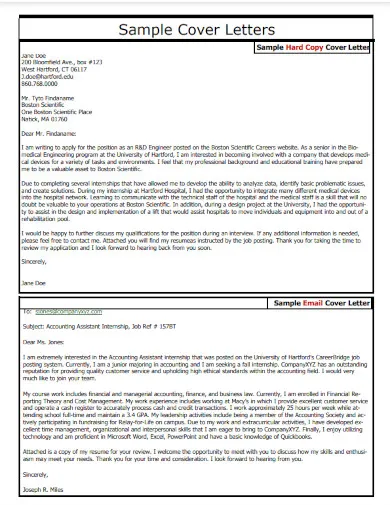
In your closing paragraph, reiterate your interest in the position and express your willingness to discuss your qualifications further. Thank the hiring manager for their time and consideration. Include a call to action, such as stating that you look forward to hearing from them soon. End with a professional closing, such as ‘Sincerely’ or ‘Best regards’, followed by your name. Keep it concise and professional. Provide your contact information one last time to make it easy for the hiring manager to reach you. This ensures that you leave a lasting positive impression.
Review and Editing Your Engineering Cover Letter
Before submitting your cover letter, carefully review and edit it. Check for any grammatical errors, typos, and formatting issues. Ensure that the letter flows logically and that the content is clear and concise. Ask a friend, mentor, or career counselor to review your letter for feedback. Ensure that your cover letter is tailored to the specific job and company. A well-edited letter demonstrates your attention to detail and professionalism. Make sure your cover letter is easy to read and provides a positive impression. Proofreading your cover letter is a crucial step in the application process.