Understanding the Importance of Cover Letters for Education Jobs
In the competitive world of education, a well-crafted cover letter can be your golden ticket to landing your dream job. It’s not just a formality; it’s your first chance to make a positive impression and distinguish yourself from other applicants. Unlike a resume, which provides a factual overview of your experience, a cover letter allows you to showcase your personality, passion, and unique qualifications. It’s your opportunity to tell a story and connect with the hiring manager on a more personal level, demonstrating why you’re the perfect fit for the role and the school. A compelling cover letter can significantly increase your chances of securing an interview, ultimately leading to a job offer. It’s your chance to go beyond the facts and paint a vivid picture of your potential contributions to the educational institution.
Key Components of an Effective Education Cover Letter
A successful education cover letter is more than just a formality; it’s a strategic marketing document that highlights your strengths and aligns them with the specific needs of the job and school. Several key components are essential for creating an impactful cover letter. Each section plays a crucial role in conveying your professionalism, enthusiasm, and suitability for the position. From the header to the closing, every element should be meticulously crafted to leave a lasting positive impression. By carefully considering these aspects, you can create a cover letter that sets you apart and significantly increases your chances of securing an interview in the competitive field of education. Remember, this is your chance to make a memorable first impression.
Header and Contact Information

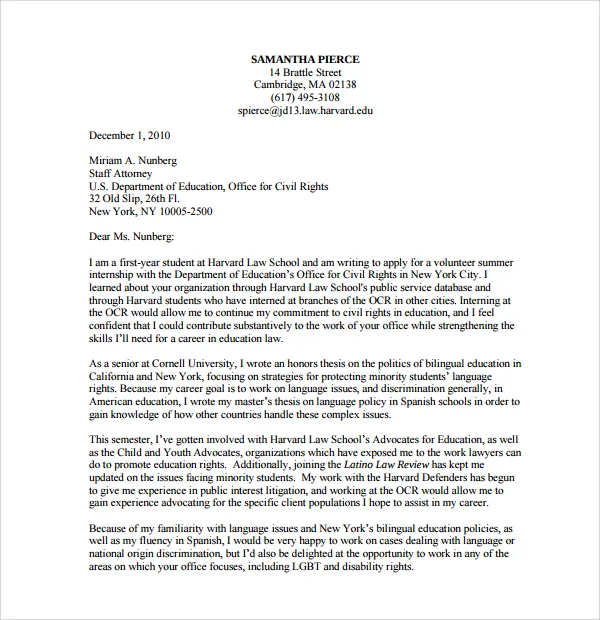
Your header should be professional and easy to read, including your full name, address, phone number, and email address. Ensure that your email address is professional and reflects your commitment to the job, avoiding any casual or unprofessional handles. The formatting should be clean and consistent with the rest of the letter. Providing this information ensures that the hiring manager can easily contact you if they are interested in your application. Always double-check the details to avoid any errors that could hinder the contact process. Your header is your first impression – make it count. Consider using a professional font and layout to maintain a polished aesthetic.
Addressing the Hiring Manager
Always address your cover letter to a specific person, such as the hiring manager or the principal, if possible. Research the school’s website or LinkedIn to find the correct name. Addressing the letter to a specific person shows that you have taken the initiative to learn more about the school and the position. If you cannot find a name, use a professional greeting like ‘Dear Hiring Committee’ or ‘Dear [Department Name] Hiring Team.’ Avoid generic greetings like ‘To Whom It May Concern,’ as they can give the impression that the letter is a generic application. Addressing the letter to a specific person adds a personal touch and shows your attention to detail, increasing your chances of capturing the hiring manager’s attention from the start. Taking the extra step to personalize your cover letter demonstrates your sincere interest in the role.
Opening Paragraph Grab Attention
Your opening paragraph is your chance to make a strong first impression. Start with a compelling hook that grabs the reader’s attention. This could be a statement of your passion for education, a brief anecdote about your teaching experience, or a specific accomplishment related to the job requirements. State the position you are applying for and where you saw the job posting. Clearly state your enthusiasm for the role and the school. Show that you have done your research by mentioning something specific that interests you about the school or its mission. Avoid generic opening statements and make sure your initial paragraph is concise, engaging, and sets the tone for the rest of your letter. Your goal is to make the hiring manager want to read on and learn more about you.
Highlighting Your Qualifications and Experience

The body of your cover letter is where you showcase your qualifications and experience. Focus on the most relevant skills and accomplishments from your resume, tailoring them to match the requirements outlined in the job description. Use specific examples to demonstrate how you have successfully applied your skills in past roles. Highlight your experience with different teaching methods, technologies, or curricula that align with the school’s needs. Frame your experiences in terms of how they have benefited students and the school environment. Emphasize your commitment to student success, your ability to create a positive learning environment, and your contributions to the educational community. The goal is to illustrate how your experience uniquely equips you to excel in the role.
Showcasing Relevant Skills and Achievements
When listing your skills, focus on those most relevant to the job. These might include classroom management, curriculum development, differentiated instruction, assessment strategies, and communication skills. Instead of simply listing your skills, provide specific examples of how you have used them to achieve positive outcomes. Describe a time you successfully managed a challenging classroom situation or developed an innovative lesson plan. Quantify your achievements whenever possible. For instance, describe an increase in student test scores, improved student engagement, or any awards or recognition you have received. This approach provides concrete evidence of your capabilities and demonstrates your ability to deliver results. Showcasing your achievements makes your cover letter more compelling and makes it clear that you are qualified for the role.
Quantifying Accomplishments
Whenever possible, use numbers and data to quantify your achievements. For example, instead of saying ‘Improved student test scores,’ state ‘Increased student test scores by 15% within one year.’ Use metrics to provide context to the hiring manager so they have a clear understanding of the impact you made in your previous roles. Did you implement a new program that resulted in higher student engagement? Did you secure a grant or funding for a specific project? Did you create a more inclusive classroom environment that improved student retention? Quantifiable results are much more impactful than general statements. Use data, percentages, and specific figures to demonstrate your success. Quantifying your accomplishments helps to make your cover letter more persuasive, as it demonstrates your effectiveness and ability to deliver results.
Tailoring Your Cover Letter to the Job Description

One of the most important steps in writing an effective cover letter is tailoring it to each job application. Carefully review the job description and identify the key requirements, skills, and qualifications that the school is seeking. Then, customize your cover letter to address those specific needs. Highlight your experience and skills that directly align with those requirements, providing concrete examples to illustrate your capabilities. Use the same keywords and phrases from the job description in your letter, but make sure you use them naturally and authentically. This demonstrates that you have carefully read the job description and understand the needs of the school. By tailoring your cover letter, you show the hiring manager that you are a good fit for the role and that you have a genuine interest in the position.
Expressing Enthusiasm and Passion for Education
Education is a field where passion is highly valued. Express your enthusiasm for teaching, learning, and the specific school or district to which you are applying. Share your beliefs about education and why you are drawn to the profession. Talk about your commitment to student success and creating a positive learning environment. Mention any specific aspects of the school’s mission, values, or programs that resonate with you. Show the hiring manager that you are not just looking for a job, but that you are passionate about making a difference in students’ lives. Your genuine enthusiasm will make you memorable and convey that you will be a valuable asset to the educational community.
Closing the Cover Letter
Your closing paragraph should summarize your key qualifications and reiterate your interest in the position. Reiterate why you are a strong candidate and how your skills and experience align with the school’s needs. Thank the hiring manager for their time and consideration. Express your eagerness to learn more about the position and the school. Keep the closing brief and professional, leaving the reader with a positive final impression. Your closing should reinforce your enthusiasm and create a strong impression of professionalism, making the hiring manager more likely to invite you for an interview.
Call to Action
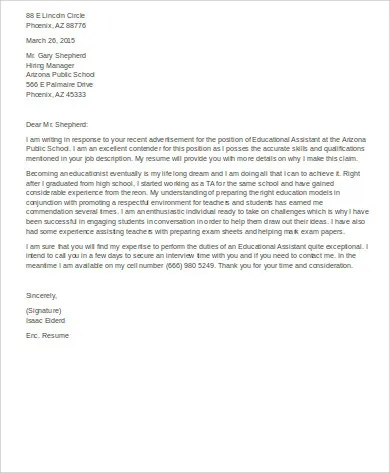
End your cover letter with a clear call to action. State your willingness to discuss your qualifications further and your availability for an interview. Provide your contact information once more to make it easy for the hiring manager to reach you. Thank them for their time and consideration, then finish with a professional closing, such as ‘Sincerely,’ or ‘Best regards.’ Making your call to action clear and concise ensures the hiring manager knows how to proceed if they are interested in your application. A strong call to action increases your chances of advancing to the next stage in the hiring process.
Proofreading and Formatting
Before you send your cover letter, carefully proofread it for any grammatical errors, typos, or formatting inconsistencies. Ensure that the tone of your letter is professional, enthusiastic, and reflects your personality. Use a clear, easy-to-read font, such as Arial or Times New Roman, and maintain consistent formatting throughout. Pay attention to the letter’s layout to make sure it is neat and easy to read. Use spell-check and grammar-check tools, but also have someone else review your letter, as a second pair of eyes can often catch errors you may have missed. Proofreading and formatting are crucial to make a good impression. Ensure your cover letter presents a polished, professional image.