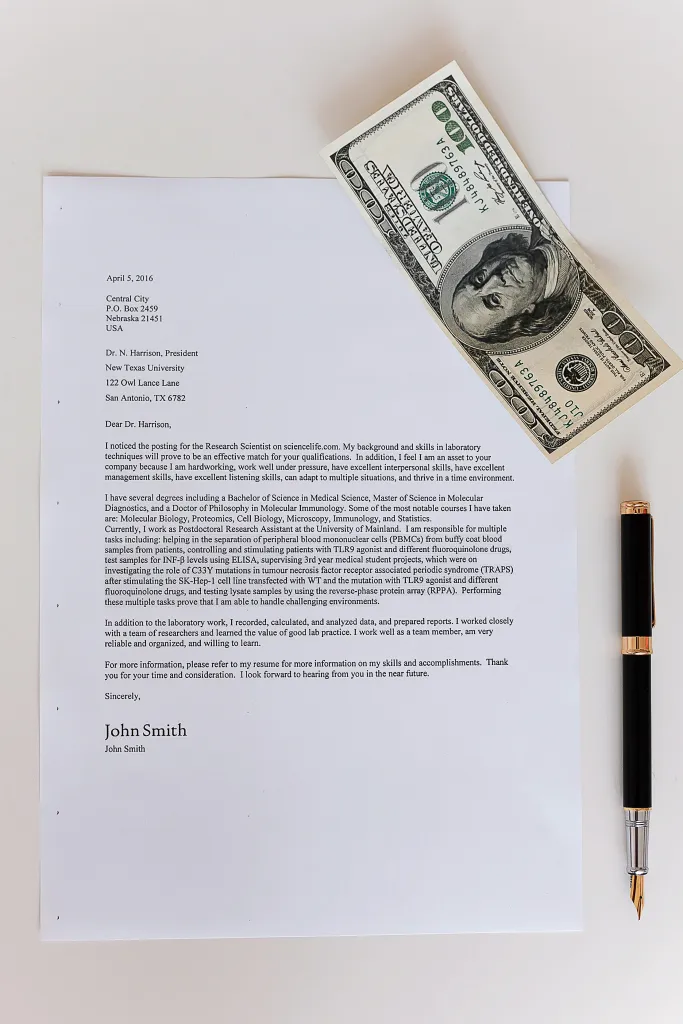
Why Cover Letters Still Matter
In the digital age, where online applications are the norm, the question of whether resumes need cover letters persists. While some might argue that cover letters are becoming obsolete, the reality is that they remain a vital component of a strong job application. A well-crafted cover letter provides an opportunity to go beyond the confines of your resume and tell a compelling story about your candidacy. It offers a chance to showcase your personality, highlight key skills, and demonstrate your genuine interest in the specific role and company. Ignoring the cover letter can mean missing out on a valuable opportunity to make a lasting impression on a hiring manager.
The Purpose of a Cover Letter
The primary purpose of a cover letter is to introduce you to a potential employer and express your interest in a specific position. It serves as a personalized introduction, setting the stage for your resume and providing context to your qualifications. Think of it as your elevator pitch, where you briefly summarize your key skills, experiences, and career goals, making a clear connection between your qualifications and the job requirements. Cover letters allow you to elaborate on your resume, providing details that might not fit on a concise one-page document. This could include explaining career transitions, highlighting specific achievements, or demonstrating your passion for the company’s mission.
Highlighting Your Key Skills

A cover letter is a perfect platform to showcase the skills that make you the ideal candidate. While your resume lists your skills, your cover letter provides an opportunity to elaborate on them, illustrating how you’ve applied those skills in past roles. You can provide specific examples of how you’ve used your skills to solve problems, achieve goals, or contribute to a team’s success. Be sure to align your skills with the requirements outlined in the job description. By doing so, you demonstrate your ability to meet the employer’s needs. Remember to quantify your achievements whenever possible. Instead of simply stating that you ‘improved sales,’ mention that you ‘increased sales by 15% in six months’.
Showcasing Your Personality
Resumes often lack the space for personality. Cover letters allow you to inject your unique personality into your application. Use your cover letter to demonstrate your communication skills, your enthusiasm for the role, and your understanding of the company’s culture. Tailor the tone of your letter to match the company’s brand and the role’s requirements. If the company values creativity, let your personality shine through your writing. If the role requires a more formal approach, maintain a professional and polished tone. A well-written cover letter demonstrates not only your qualifications but also your ability to communicate effectively and connect with the reader on a personal level, making you a more memorable candidate.
Cover Letter vs Resume What’s the Difference
Understanding the distinct roles of a cover letter and a resume is essential for crafting effective job applications. The resume is a factual summary of your professional experience, education, skills, and accomplishments. It’s a concise document designed to quickly provide a snapshot of your qualifications. A cover letter, on the other hand, is a more narrative document. It provides context for your resume, elaborating on your experience, highlighting your skills, and expressing your interest in the specific job. Think of the resume as the ‘what’ and the cover letter as the ‘why.’ The resume tells what you’ve done, while the cover letter explains why you’re a good fit for the role and the company.
Key Elements of an Effective Cover Letter

A compelling cover letter includes several key elements. Begin with a strong opening that grabs the reader’s attention and clearly states the position you’re applying for. In the body, highlight relevant skills and experiences, providing specific examples of your achievements. Connect your qualifications to the job requirements, emphasizing how your skills and experience align with the company’s needs. Express your enthusiasm for the role and the company, demonstrating your genuine interest. Conclude with a call to action, such as expressing your eagerness for an interview and thanking the hiring manager for their time and consideration. Make sure your cover letter is well-organized, well-written, and free of errors.
Formatting Your Cover Letter
The formatting of your cover letter is as important as its content. Use a professional and easy-to-read font, such as Arial, Calibri, or Times New Roman, with a font size between 10 and 12 points. Maintain consistent formatting throughout the document, including the use of single or 1.15 line spacing. Use clear headings and paragraphs to break up the text and make it easier to read. Keep your cover letter concise, ideally no more than one page. Use ample white space to create a visually appealing and uncluttered layout. Ensure your cover letter is properly aligned, with consistent margins on all sides. A well-formatted cover letter demonstrates your attention to detail and professionalism.
Customizing Your Cover Letter
Generic cover letters are easily identified and often discarded. Customizing your cover letter for each job application is a must. Carefully review the job description and tailor your letter to highlight the skills, experiences, and qualifications most relevant to the role. Research the company and demonstrate your understanding of their mission, values, and culture. Address the hiring manager by name whenever possible, showing that you’ve taken the time to personalize your application. Mention specific projects, initiatives, or goals that resonate with the company’s objectives. Customization demonstrates your genuine interest in the role and increases your chances of making a positive impression on the hiring manager.
Addressing the Hiring Manager

Whenever possible, address your cover letter to the hiring manager by name. This shows that you’ve done your research and are genuinely interested in the position. If you can’t find the hiring manager’s name, try to find the name of the department head or the person responsible for hiring. Avoid using generic greetings like ‘To Whom It May Concern.’ If you’re unable to identify a specific person, it’s acceptable to use a more general greeting, such as ‘Dear Hiring Manager.’ Finding the hiring manager’s name can be as simple as checking the company’s website, LinkedIn, or the job posting itself. Addressing the letter to a specific person adds a personal touch and shows your dedication to the application process.
Writing a Compelling Opening
Your opening paragraph is your chance to make a strong first impression. Grab the reader’s attention by clearly stating the position you’re applying for and expressing your enthusiasm. Briefly mention how you learned about the job and why it caught your eye. Consider starting with a compelling statement that highlights your most relevant skill or achievement. Alternatively, you could reference a company project or initiative that you admire. Avoid generic openings like ‘I am writing to express my interest.’ Instead, aim for a more engaging and personalized approach that showcases your understanding of the role and the company. A strong opening immediately sets the tone for your cover letter and encourages the reader to continue.
Highlighting Relevant Skills and Experience
In the body of your cover letter, highlight the skills and experiences that are most relevant to the job description. Provide specific examples of your accomplishments, using the STAR method (Situation, Task, Action, Result) to provide context and demonstrate your capabilities. Quantify your achievements whenever possible, using numbers to illustrate your impact. Tailor your examples to match the requirements of the job. Avoid simply listing your skills. Instead, show how you’ve used your skills to achieve results in previous roles. For instance, instead of saying ‘I have strong communication skills,’ say ‘In my previous role, I led a team of five to successfully complete a complex project, communicating updates to stakeholders and resulting in a 10% increase in efficiency’.
Explaining Career Gaps or Changes

Cover letters provide an excellent opportunity to address any gaps in your employment history or explain career changes. If you have significant gaps in your resume, briefly explain the reasons behind them. Be honest and straightforward, focusing on what you’ve learned during that time. If you’re making a career change, explain your motivation for the transition and highlight any transferable skills you possess. Frame your explanation in a positive light, emphasizing your enthusiasm for the new role and how your skills and experience can benefit the company. Always present yourself as a proactive individual with a clear vision for your career. Don’t dwell on negative aspects; instead, focus on your future and how you can contribute to the company’s success.
Demonstrating Your Enthusiasm
Expressing your enthusiasm for the role and the company is crucial for making a positive impression. Show your genuine interest by mentioning specific aspects of the role that excite you, or by referencing the company’s mission, values, or recent achievements. Avoid generic statements like ‘I am very interested in this position.’ Instead, explain why you’re specifically drawn to the role and the company. This could be because of the company’s innovative approach to a particular challenge, its strong commitment to a cause, or its reputation for fostering a positive work environment. Demonstrating enthusiasm makes you a more memorable candidate and shows that you’re not just looking for any job; you’re looking for this specific opportunity.
Cover Letter Mistakes to Avoid
Several common mistakes can undermine the effectiveness of a cover letter. Avoid generic cover letters that could be sent to any employer. Ensure your letter is tailored to the specific job and company. Proofread your letter carefully to catch any typos or grammatical errors. These errors can make you look unprofessional. Avoid using a negative or overly casual tone. Stay focused on your qualifications and how you can contribute to the company. Don’t include information that is irrelevant to the job, and don’t exceed the recommended length of one page. Taking care to avoid these pitfalls can significantly improve your chances of success.
Generic Cover Letters

One of the biggest mistakes you can make is sending a generic cover letter that isn’t tailored to the specific job. Generic cover letters lack the personalization that employers seek. They do not demonstrate a genuine interest in the company or the role. Take the time to research the company and the job requirements. Customize your letter to highlight the skills, experiences, and qualifications that are most relevant to the position. By doing so, you show that you’ve taken the initiative to learn more about the opportunity and are genuinely interested in the role, making a much stronger impression than a generic letter.
Typos and Grammatical Errors
Typos and grammatical errors can undermine your credibility and professionalism. Always proofread your cover letter carefully before submitting it. Consider using a spell-checker and grammar checker. Ask a friend, family member, or career advisor to review your letter as a second set of eyes can often catch mistakes that you might miss. Pay attention to sentence structure, punctuation, and word choice. Errors can create a negative impression and make the hiring manager question your attention to detail, so take the time to proofread thoroughly.
Using the Wrong Tone
The tone of your cover letter should be professional and appropriate for the company and the role. Avoid using a casual or overly familiar tone. Maintain a respectful and enthusiastic approach. Be mindful of the company culture when determining your tone. Some companies appreciate a more formal approach, while others embrace a more casual style. Tailor your tone to match the company’s brand. Demonstrate your ability to communicate effectively and professionally. Remember to keep your tone positive and enthusiastic, which shows that you’re excited about the opportunity.
Not Tailoring to the Job

Failing to tailor your cover letter to the specific job requirements is another common mistake. Always carefully review the job description and highlight the skills, experiences, and qualifications that are most relevant to the role. Use keywords from the job description throughout your letter to demonstrate your understanding of the requirements. Explain how your skills and experience align with the company’s needs. Customize your letter to the company, showing that you’ve taken the time to research their work and culture. This level of personalization increases your chances of capturing the hiring manager’s attention and making a strong case for your candidacy.
When You Might Not Need a Cover Letter
Although cover letters are usually recommended, there are some situations where they might not be strictly necessary. If you’re applying through an online job portal that doesn’t provide a space for a cover letter, you can sometimes skip it. However, in these situations, ensure that your resume is exceptionally well-written and highlights the skills and experiences most relevant to the job. In other instances, if you’re applying through a company’s internal application system or through networking, a cover letter might be less critical, but it can still provide an added benefit if you want to share additional information.
Applying Through Online Portals
When applying for jobs through online portals, the need for a cover letter can vary. Some portals may require a cover letter, while others may not offer a space for it. If the portal allows you to upload a cover letter, it’s usually a good idea to include one. Even if the portal doesn’t specifically require a cover letter, consider integrating the key elements of a cover letter into your resume or a separate section within the application. Tailor your resume to match the job requirements and highlight your most relevant skills. This approach ensures that you still make a strong impression, even without a dedicated cover letter file. Always follow the application instructions carefully.
Networking and Informational Interviews

In situations like networking events and informational interviews, the need for a cover letter is different. When networking, your goal is to build connections and make a positive impression. A formal cover letter isn’t typically necessary in these scenarios. Instead, focus on your ability to engage in conversation, highlight your skills and experiences, and express your interest in the company. For informational interviews, prepare a brief summary of your background and career goals. Use the opportunity to learn more about the company and the role, rather than focusing on a formal job application. The key is to build relationships and demonstrate your genuine interest and enthusiasm.
Making Your Resume and Cover Letter Work Together
Your resume and cover letter should work together to create a cohesive and compelling job application. Your resume should provide a factual summary of your qualifications, while your cover letter should provide context and demonstrate your personality. The information in your cover letter should complement your resume, expanding on your experiences and highlighting your skills. Don’t repeat the same information in both documents; instead, use your cover letter to elaborate on specific achievements and explain why you’re a great fit for the role. The resume should be a snapshot, and the cover letter is the story that brings it to life, providing the hiring manager with a complete picture of your candidacy.
Optimizing Your Resume
Optimizing your resume is a critical step in the job application process. Make sure your resume is easy to read, well-organized, and free of errors. Use a clear and professional font, such as Arial, Calibri, or Times New Roman. Highlight your most relevant skills and experiences by tailoring your resume to the specific job description. Use keywords from the job posting throughout your resume to ensure it passes through applicant tracking systems (ATS). Include a summary or objective statement that provides a quick overview of your qualifications. Always proofread your resume carefully to catch any errors. A well-optimized resume increases your chances of getting noticed by employers.
Tailoring Your Cover Letter to Each Job
The key to a successful cover letter is tailoring it to each job application. Carefully review the job description and highlight the skills, experiences, and qualifications that are most relevant to the role. Research the company and demonstrate your understanding of their mission, values, and culture. Address the hiring manager by name whenever possible, and mention specific projects, initiatives, or goals that resonate with the company’s objectives. This level of customization shows your genuine interest in the role and increases your chances of making a positive impression. Avoid using a generic cover letter. Always take the time to personalize your application to the specific job.
Proofreading and Editing Your Documents
Proofreading and editing your resume and cover letter is essential for ensuring they are polished and professional. Carefully check for any typos, grammatical errors, and formatting inconsistencies. Use a spell-checker and grammar checker, but don’t rely on them entirely. Ask a friend, family member, or career advisor to review your documents as a second set of eyes can often catch mistakes that you might miss. Pay close attention to sentence structure, punctuation, and word choice. A well-proofread and edited resume and cover letter demonstrate your attention to detail and commitment to presenting your best self to potential employers. This step is crucial for making a strong positive impression.