CV vs Cover Letter The Core Differences
Navigating the job market can feel like traversing a maze, and understanding the tools at your disposal is crucial for success. Two of the most important documents in this process are the Curriculum Vitae (CV) and the cover letter. While both serve the purpose of introducing you to a potential employer, they differ significantly in their content, structure, and overall objective. Knowing these differences is key to creating effective job applications that highlight your skills and experience appropriately and increase your chances of landing an interview. This article provides a comprehensive overview of the distinctions between a CV and a cover letter, focusing on five key areas to help you craft compelling application materials.
Length and Content
CV

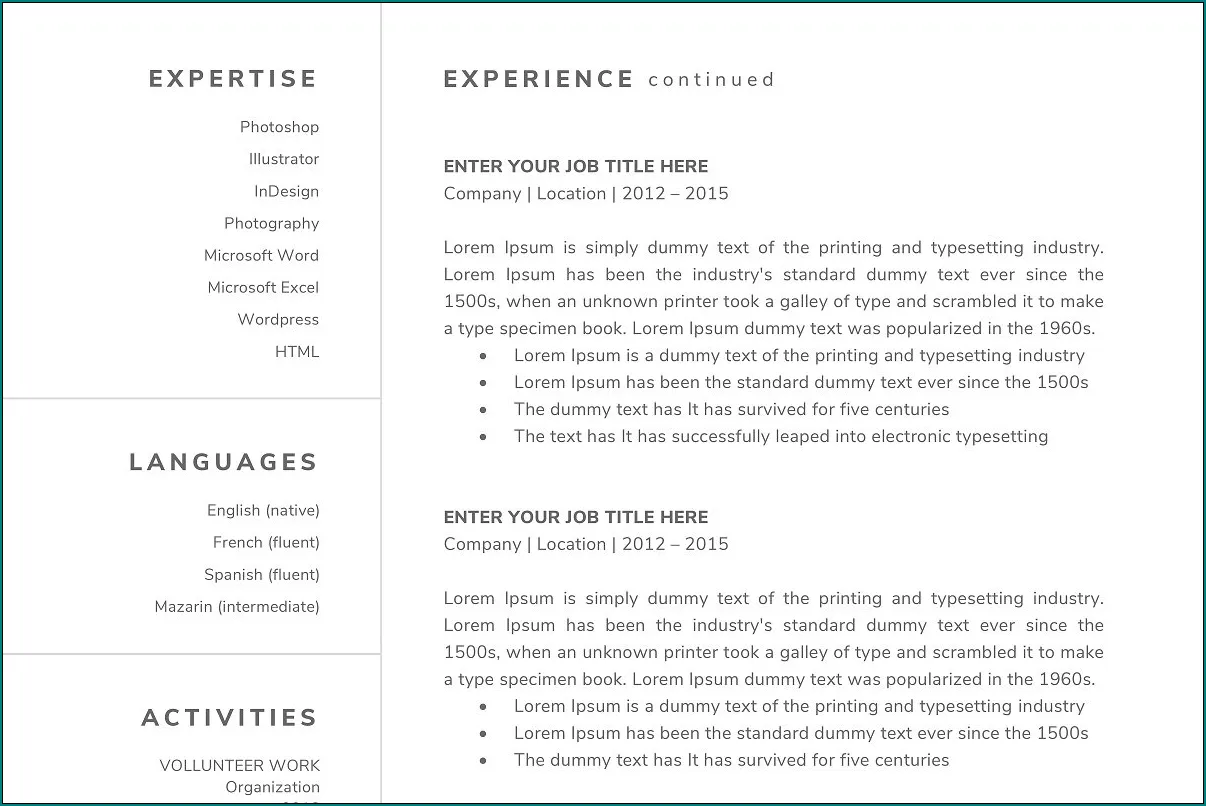
A CV is generally a detailed, comprehensive document that provides a chronological account of your entire professional and academic history. It is meant to be a comprehensive overview and can often extend beyond two pages, especially for those with extensive experience. The primary focus of a CV is to list your qualifications, including education, work experience, skills, publications, awards, and any other relevant achievements. The goal is to present a complete picture of your professional journey, showcasing your breadth of experience and expertise in a structured, easy-to-scan format. The content is typically fact-based and avoids overly descriptive language, focusing instead on concrete details and accomplishments. The image of the CV is important, and it must be a representation of the job seeker. (image CV-example)
Cover Letter
In contrast, a cover letter is a concise document, usually one page, that serves as an introduction to your CV. Its primary purpose is to highlight your key skills and experiences that align with the specific job you are applying for. The cover letter should be tailored to each position, demonstrating your understanding of the company and the role. It focuses on selected aspects of your background that make you a strong fit, offering a narrative that explains why you are the ideal candidate and what value you bring to the organization. The tone is generally more personable and persuasive than that of a CV, using language to make the candidate’s case and express enthusiasm for the opportunity. (image cover-letter-example)
Purpose and Target Audience
CV

The primary purpose of a CV is to provide a comprehensive overview of your qualifications to a potential employer. It serves as a detailed record that allows hiring managers to quickly assess your suitability for a wide range of roles. The target audience for a CV is broad, encompassing various recruiters, hiring managers, and HR professionals who may be evaluating your application. The CV is designed to be a standalone document that can be used for multiple job applications, although it might require minor adjustments based on the specific requirements of each role. It’s the foundation of your professional profile and is designed to showcase your full range of experience. (image cv-cover-letter)
Cover Letter
The cover letter’s purpose is to persuade the hiring manager that you are the right person for a specific job. It aims to create a strong first impression, explaining why you’re interested in the role and highlighting the skills and experiences that directly match the job requirements. The target audience is typically the hiring manager or the person responsible for reviewing applications for a specific position. A cover letter is designed to be customized for each job, demonstrating your understanding of the company and the role’s specific needs. It’s an opportunity to showcase your personality, writing skills, and genuine interest in the opportunity, making it a crucial tool for standing out from other applicants. (image cover-letter-purpose)
Structure and Format
CV

A CV typically follows a standardized structure designed for easy scanning and quick assessment. The format generally includes sections for contact information, a professional summary or objective, work experience (listed in reverse chronological order), education, skills, publications, and any other relevant achievements, such as awards or certifications. The layout is clean and organized, with clear headings, bullet points, and consistent formatting to make it easy for recruiters to find the information they need. Visual elements are kept minimal to ensure readability and a professional appearance. The chronological order of experience is a core feature, allowing employers to see your career progression at a glance. (image cv-structure)
Cover Letter
A cover letter follows a more narrative structure, typically including an introduction, several body paragraphs, and a conclusion. The introduction should grab the reader’s attention and state the purpose of the letter. The body paragraphs should highlight key skills and experiences that align with the job description, providing specific examples to demonstrate your qualifications. The conclusion should reiterate your interest and thank the reader for their time. The format is more flexible than that of a CV, allowing for a personalized and engaging tone. The structure is designed to tell a story about your qualifications, making a compelling case for why you should be considered for the role. (image cv-length)
Level of Detail
CV

A CV provides a detailed overview of your entire professional history, including every job, educational achievement, and skill you possess. The level of detail is extensive, with each role and experience typically listed with dates, responsibilities, and accomplishments. The goal is to present a comprehensive picture of your qualifications, leaving no significant detail unmentioned. The depth of information allows recruiters to fully assess your background and determine whether you meet the specific requirements of the role. The CV aims to leave nothing to the imagination, providing a complete record of your capabilities. The level of detail required can vary depending on the job application. (image cv-example)
Cover Letter
In contrast, a cover letter is selective in its detail, focusing on the experiences and skills most relevant to the specific job. It highlights a few key accomplishments and connects them to the requirements outlined in the job description. The level of detail is concise, providing enough information to make a persuasive argument without overwhelming the reader. The goal is to show, not tell, providing specific examples to support your claims and demonstrating how your background aligns with the employer’s needs. The cover letter should provide a clear narrative that illustrates why you are the best fit for the role. (image cover-letter-example)
Customization and Personalization
CV

While a CV can be adapted for different job applications, it generally remains a static document that provides a comprehensive overview of your qualifications. The level of customization is typically limited, with adjustments made to highlight specific skills or experiences that are particularly relevant to the role. The core content, such as your work history and education, remains largely the same. A well-crafted CV provides a solid foundation for your job applications. Many job seekers will create different versions of their CV, however the content is almost the same. The most important step is to follow the best practices on CV writing. (image cv-cover-letter)
Cover Letter
A cover letter, on the other hand, is designed to be highly customized and personalized for each job application. It requires thorough research into the company and the specific role, as well as an understanding of the hiring manager’s needs. The content is tailored to directly address the job description, demonstrating how your skills and experiences align with the requirements. This personalization includes highlighting specific accomplishments, using keywords from the job posting, and expressing genuine interest in the company and the opportunity. A well-written cover letter shows that you have taken the time to understand the role and are genuinely excited about the possibility of contributing to the organization. (image cover-letter-personalization)
Conclusion
Understanding the differences between a CV and a cover letter is fundamental to a successful job search. A CV offers a detailed overview of your entire professional and academic history, while a cover letter provides a targeted introduction, showcasing your key skills and experiences in relation to a specific job. Knowing when to use each, and how to tailor them to specific job opportunities, will greatly increase your chances of making a positive impression on potential employers. By understanding the purpose, format, and content of each document, you can create compelling application materials that highlight your strengths and help you stand out in a competitive job market. Remember to always customize your cover letter to the specific job and tailor your CV to highlight the most relevant information. (image job-application)