Cover Letter Writing Secrets
In the competitive landscape of job applications, a well-crafted cover letter is your secret weapon. It is your first introduction to a potential employer, a chance to make a lasting impression, and a crucial step in securing an interview. This article unveils the Cover Letter Writing Secrets, providing you with the knowledge and strategies to create winning cover letters that stand out and increase your chances of landing your dream job. We will explore everything from understanding the core purpose of a cover letter to mastering the art of structuring, writing, and proofreading it. Get ready to transform your job application approach and learn how to write a cover letter that truly wins.
Understanding the Purpose of a Cover Letter
Before diving into the specifics, it’s crucial to understand the fundamental purpose of a cover letter. It’s not just a formality, it’s a strategic tool to showcase your personality, skills, and enthusiasm for a particular role. A cover letter complements your resume by providing context and elaborating on your qualifications. It gives you the opportunity to connect your experiences with the specific requirements of the job and demonstrate your genuine interest in the company. By understanding this, you can shift from seeing it as a chore to recognizing it as a powerful tool that can give you a serious advantage.
Why Cover Letters are Still Important

In an era of digital applications and online job boards, many wonder if cover letters still hold relevance. The answer is a resounding yes. While a resume provides a snapshot of your qualifications, a cover letter offers a narrative, allowing you to communicate your unique value proposition. It demonstrates your communication skills, attention to detail, and your genuine interest in the specific position. When used effectively, cover letters set you apart from other applicants and showcase your ability to articulate your professional journey effectively. Many employers still value a well-written cover letter, seeing it as a sign of a candidate’s dedication and serious interest.
When a Cover Letter is Necessary
Knowing when to submit a cover letter is just as important as knowing how to write one. Always include a cover letter unless explicitly instructed not to. When applying for positions that require creativity, such as writing or design roles, cover letters are highly encouraged to display your communication and stylistic abilities. Also, cover letters are vital when you have significant gaps in your resume or are changing careers. They allow you to explain the reasons for these transitions and highlight transferable skills. Furthermore, even if a job posting doesn’t explicitly request one, sending a cover letter can be a great way to show initiative and give you an edge.
Researching Your Target Audience
To craft an impactful cover letter, you need to understand your audience, which is the hiring manager. Researching the company and the specific role will allow you to tailor your letter to their needs. The more you know about the company’s values, mission, and recent projects, the better you can align your experiences with their requirements. Demonstrate that you’ve done your homework by mentioning specific projects, company initiatives, or industry trends. Doing so shows that you care enough to go the extra mile. A personalized approach will make the hiring manager feel appreciated and increase the chance of the letter standing out.
Identifying the Hiring Manager

Whenever possible, address your cover letter to a specific person. It adds a personal touch and demonstrates your attention to detail. Find the hiring manager’s name through the company website, LinkedIn, or by contacting the company’s HR department. Addressing the letter to a specific person immediately grabs their attention compared to generic greetings. If you can’t find a name, use a professional greeting like ‘Dear Hiring Manager’. Avoid generic greetings such as ‘To Whom It May Concern’. The effort you put into finding a name shows a level of effort and sincerity that can significantly improve your application.
Tailoring Your Letter to the Role
Each cover letter should be unique to the job you are applying for. Analyze the job description carefully and identify the key requirements, skills, and qualifications the employer is looking for. Then, highlight the experiences and skills that match those requirements. Use the same keywords and language from the job description to show you are a perfect fit. Tailoring your letter will demonstrate your understanding of the role and your enthusiasm for the company. Avoid using a generic cover letter for all applications. Customization demonstrates your ability to adapt and your sincere interest in the role.
Crafting a Compelling Opening
The opening paragraph is your chance to make a strong first impression. It should immediately capture the reader’s attention and state your purpose for writing. Instead of using generic openings, try starting with a statement of enthusiasm or highlighting a mutual connection. You could reference a specific accomplishment or skill that is directly relevant to the job. A compelling opening should immediately grab the hiring manager’s attention. Explain why you are the ideal candidate and what makes you stand out. Start by clearly stating the position you are applying for and briefly mentioning where you saw the job posting.
Grabbing Attention from the Start

To capture the hiring manager’s interest from the beginning, avoid cliché phrases. Instead, use an impactful statement that shows your understanding of the company and the role. For example, mention a project you admire the company for or the company’s recent achievements. You can also start with a brief anecdote that showcases your relevant skills. This will pique the reader’s interest and encourage them to keep reading. A strong start demonstrates your ability to communicate your value effectively and leave a lasting impression. Consider using a quote or a brief, impactful statement to set the tone of the letter.
Highlighting Relevant Skills and Experience
In the main body, highlight the skills and experience that directly relate to the job description. Provide specific examples of how you have used those skills in the past and the results you achieved. Use action verbs to describe your accomplishments and quantify your achievements whenever possible. For example, instead of saying ‘Managed projects’, you could write ‘Managed and delivered three projects on time and under budget, resulting in a 15% increase in client satisfaction’. Use a few key points that showcase your unique value and what you can bring to the company. This will demonstrate how your past experiences align with the job requirements and illustrate your ability to succeed in the new role.
Showcasing Your Personality
While professionalism is important, don’t be afraid to let your personality shine through. Inject your cover letter with your authentic voice and enthusiasm. Share your passion for the industry or the specific role. This will help the hiring manager understand you better and see you as more than just a list of qualifications. This will also help to build a personal connection. Avoid generic phrases or robotic language. Share what makes you, you. Your personality and the voice you choose for your letter makes it feel more human and engaging.
Structuring Your Cover Letter for Maximum Impact

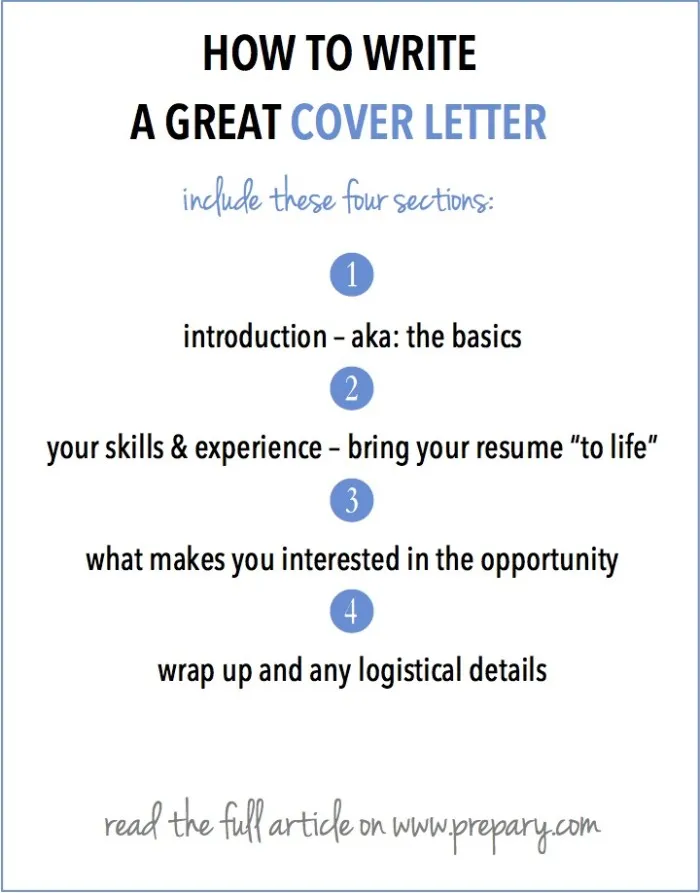
The way you structure your cover letter can significantly impact how it’s received. A well-organized letter is easy to read and allows the hiring manager to quickly grasp your key qualifications. The structure should be clear, logical, and persuasive. A standard format typically includes an introduction, a body, and a conclusion. Each section should serve a specific purpose and build upon the previous one. A well-structured cover letter will enhance your ability to communicate your strengths effectively.
Formatting and Layout Best Practices
Choose a professional font like Times New Roman, Arial, or Calibri, and use a font size between 10 and 12 points. Use single spacing with a space between paragraphs. Ensure your letter is well-formatted and easy on the eye. Avoid using excessive colors, bolding, or italics. Keep the layout clean and uncluttered. Use clear headings to separate the sections of your letter. A well-formatted cover letter reflects your attention to detail and professionalism. Ensure all formatting is consistent throughout the document.
Essential Cover Letter Sections
Your cover letter should include several sections. Start with your contact information, followed by the date and the recipient’s contact information. Include a formal greeting, such as ‘Dear Mr. / Ms. [Last Name]’. Then, the introduction should state your purpose. In the body, highlight your skills and experiences. In the conclusion, reiterate your interest and include a call to action, such as requesting an interview. End with a professional closing and your signature. These sections should clearly convey your qualifications and enthusiasm for the role.
Proofreading and Editing Your Cover Letter

Proofreading and editing are crucial steps in ensuring your cover letter is polished and professional. Errors in grammar, spelling, or punctuation can undermine your credibility and make a negative impression. Take the time to read your letter carefully, looking for any mistakes. You can proofread it yourself or have a friend, colleague, or family member review it. Using tools like Grammarly can also help catch mistakes you might miss. A well-proofread letter demonstrates your attention to detail and commitment to excellence. Before submitting, review the entire document again.
Common Mistakes to Avoid
Several common mistakes can hurt your cover letter. Avoid generic opening lines, lengthy paragraphs, and repeating information from your resume. Do not use clichés or buzzwords. Avoid being overly formal or casual. Don’t use jargon. Avoid negative language or complaining about previous employers. Make sure that every sentence serves a purpose and contributes to your overall message. By avoiding these common pitfalls, you can ensure your cover letter is clear, concise, and effective.
Ensuring Clarity and Conciseness
Clarity and conciseness are essential in a cover letter. Use clear and concise language, avoiding jargon and complex sentence structures. Write in an active voice and focus on your achievements. Keep your paragraphs short and to the point. Ensure that the main message is easily understood. Always avoid using overly complex language. This makes your cover letter easy to read. This will allow the hiring manager to quickly understand your value. This will increase your chance of being noticed and considered for the job.
Making a Strong Closing Statement

The closing statement provides a final opportunity to reiterate your interest and encourage the hiring manager to take action. Thank the reader for their time and consideration. Express your enthusiasm for the opportunity and restate your interest in the role. Clearly state your availability for an interview. A strong closing leaves a lasting impression and reinforces your desire for the job. By making it specific and action-oriented, you’ll leave a strong impression.
Expressing Enthusiasm and Interest
In your closing, express your genuine enthusiasm for the position and the company. State your belief that your skills and experience align with the company’s needs. Let the hiring manager know that you have researched the company and are excited by their work. If possible, mention a specific project or initiative you admire. This demonstrates your genuine interest and makes a positive final impression. A closing that expresses interest can significantly increase your chances of an interview.
Providing Contact Information
Make sure to include your contact information in the closing. Provide your phone number, email address, and LinkedIn profile link. Ensure that your contact information is up to date. This makes it easy for the hiring manager to contact you. Ensure that your voicemail greeting is professional. If you have a portfolio or personal website, include that as well. Including your contact information ensures the hiring manager can easily reach you. Doing this is a simple step that can make a big difference.