When Should You Write a Cover Letter?
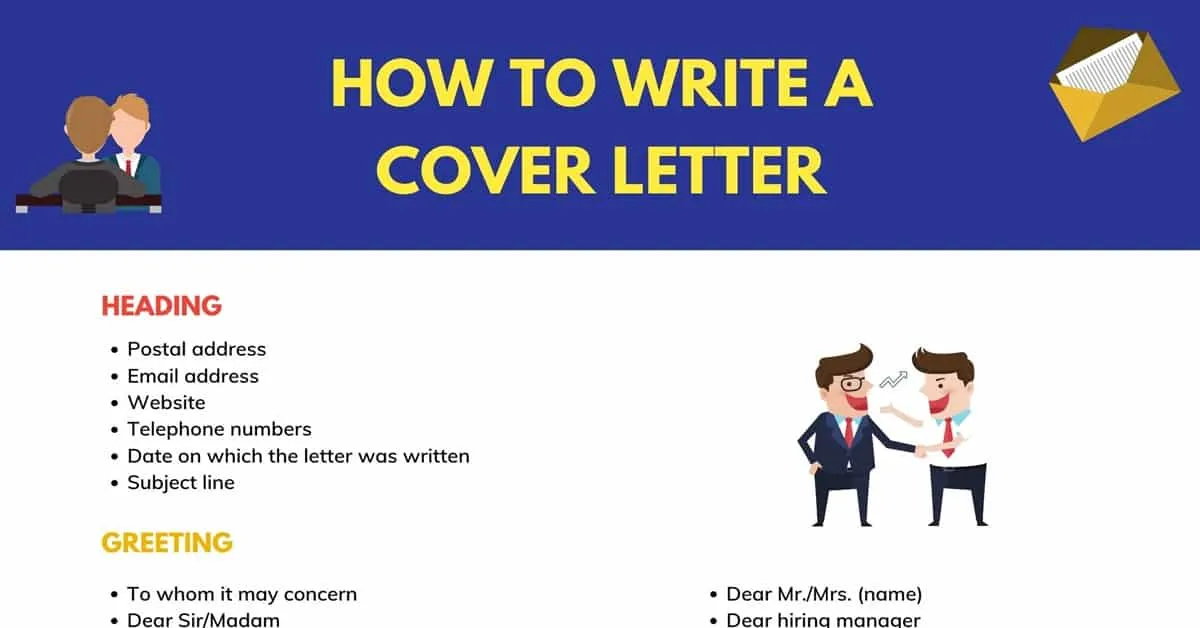
The cover letter is often seen as a supplementary document to a resume, but its importance should never be underestimated. In today’s competitive job market, a well-crafted cover letter can be the deciding factor in whether your application gets noticed. It serves as your personal introduction, allowing you to showcase your personality, skills, and enthusiasm in a way that a resume alone cannot. While some may view it as an optional formality, knowing when to write a cover letter is crucial for maximizing your chances of landing an interview and ultimately, your dream job. In this guide, we’ll explore the top 5 situations when a cover letter is not just recommended, but essential. This will help you navigate the nuances of job applications, networking, and career changes, ensuring you always put your best foot forward.
When Applying for a Job
This is, without a doubt, the most common and critical time to write a cover letter. Whenever you apply for a job, whether it’s a posted position online or a direct application, a cover letter is almost always expected. It provides an opportunity to elaborate on your resume, connecting your experience and skills directly to the job requirements. A generic resume can only go so far in presenting your candidature. A well-crafted cover letter should be a must, regardless of how the application is formatted. This allows you to create a strong first impression, demonstrating your understanding of the role and the company, and highlighting why you are the perfect fit.
Tailoring Your Letter for Each Application

One of the biggest mistakes job seekers make is using the same cover letter for every application. A generic cover letter is easily identifiable and can signal a lack of genuine interest in the specific position. Instead, each cover letter should be customized to the specific job and company. Research the company, understand their values, and tailor your letter to demonstrate how your skills and experiences align with their needs. Mentioning specific projects, accomplishments, or skills directly related to the job description shows that you’ve taken the time to understand the role and are genuinely interested in the opportunity. Use keywords from the job posting and provide a brief overview of your strengths and what makes you the best person for the role.
Highlighting Relevant Skills
Your cover letter is where you can really highlight the skills that make you the best fit for the job. While your resume lists your skills, your cover letter lets you explain those skills, provide real-world examples of how you’ve used them, and quantify your achievements whenever possible. For example, instead of simply listing ‘Project Management,’ you could say ‘Managed a team of 5 to deliver a project on time and under budget, resulting in a 15% increase in efficiency.’ This level of detail is what sets you apart and demonstrates your ability to make an impact. Also, be sure to include any specific skills or technologies mentioned in the job description, and illustrate how you have successfully utilized them in past roles.
Showcasing Your Enthusiasm
Your cover letter is your chance to inject personality into your application. Let your enthusiasm for the role and the company shine through. Explain why you’re excited about this specific opportunity and what you hope to achieve. Research the company’s mission, values, and recent projects, and then demonstrate how your own goals align with theirs. When you showcase your genuine interest, it’s significantly easier to make a memorable impression. In your cover letter, you can explicitly state why you are interested in the role or how you see yourself contributing. Expressing your enthusiasm can be a powerful tool when combined with skills and examples of your past achievements.
When Networking

Networking is a powerful way to expand your job search and career. When you’re reaching out to someone for informational interviews or to connect with professionals in your field, a cover letter (or a modified version of it) can be extremely useful. This is because a concise, well-written message can get your foot in the door, especially if you’re trying to bypass the usual application process. This is your introduction, so make it concise and relevant.
Customizing Your Cover Letter
When networking, your cover letter should be specifically tailored to the person you’re contacting and the purpose of your outreach. If you’re requesting an informational interview, briefly explain why you’re reaching out and what you hope to learn. Mention anything you know about the person or their work, and explain why their insights are valuable to you. The letter’s tone should be warm, professional, and focused on building a connection. Keep it brief, and make sure your ask is clear and easy to respond to. This will make it easier to get the desired response, thereby increasing your chances of connecting. Always remember to address the person correctly and be respectful of their time.
Expressing Your Interest
Similar to job applications, the letter should express your interest in the company or the person’s work. Mentioning why you’re interested in their field or industry can establish a common ground. You can reference a specific project or achievement they’ve had that you admire. This can show that you’ve done your research and you are interested. Even if your networking efforts don’t immediately lead to a job, building relationships with industry professionals can open doors to future opportunities. A well-crafted message demonstrates your initiative and professionalism, which can leave a lasting positive impression.
Following Up After an Interview

A thank-you note is a must after every interview, but it’s more than just a polite gesture. It’s an opportunity to reiterate your interest, remind the interviewer of your qualifications, and reinforce your enthusiasm for the role. Sending a follow-up note via email shortly after your interview is essential. If you want to leave an impression, send one to everyone you spoke to. It can show that you are very interested in the position and are the perfect candidate.
Thanking the Interviewer
Start by expressing your gratitude for their time and consideration. This simple gesture of appreciation sets a positive tone. Mention something specific that you enjoyed about the conversation or something you learned during the interview. This personal touch shows you were engaged and attentive. This can be as simple as thanking them for their time and mentioning a specific part of your discussion that you found particularly insightful or helpful. Remember that this thank-you note is an extension of your interview and should leave them with a positive impression.
Reiterating Your Interest
Use this opportunity to reiterate your interest in the position and briefly summarize why you’re a great fit. Mention any key skills or qualifications that align with the job requirements. Restate your enthusiasm for the opportunity and your desire to contribute to the company’s success. This shows that you are very interested in the role and that you are the best candidate for the job. If any new information came up during the interview, such as a clarification on a skill or experience, be sure to mention it in your thank-you note. This reinforces your qualifications and shows that you pay attention to details.
When Making a Career Change

Transitioning careers can be challenging, but a well-crafted cover letter can help you bridge the gap between your past experience and your new career aspirations. A cover letter provides you the space to explain why you’re making a career change, how your previous experiences are relevant, and why you’re passionate about this new path.
Addressing Skill Gaps
It’s unlikely that all your skills from previous experience will fully align with the requirements of the new career, and that’s ok. Use your cover letter to explain why you’re switching careers and address any potential skill gaps directly. Demonstrate that you understand what skills are needed and what you need to do to improve them. If you’re taking courses, attending workshops, or engaging in any self-study, be sure to highlight these efforts. Be sure to clearly state that you are willing to put in the time to succeed and that you are the right fit for the job.
Emphasizing Transferable Skills
Identify the transferable skills from your previous roles that are relevant to your new career. These could include communication, problem-solving, leadership, project management, or any other abilities that are valuable in your target field. Showcase how these skills have been used in your previous positions and how they will be beneficial in the new role. By focusing on your transferable skills, you can demonstrate that you are a valuable asset and can contribute to the new company’s success. Showing a variety of skills that can be carried over to your new role can be very beneficial for any job search.
When Sending a Cold Email

Cold emails, or unsolicited outreach to potential employers, can be a powerful tool, but they require a strategic approach. A cover letter can be the perfect tool for this, providing a concise and compelling way to introduce yourself and your value proposition. Cold emailing takes some effort but can be very beneficial if you are able to connect with the right people.
Researching the Recipient
Before sending a cold email, research the person you are contacting. Understand their role in the company and any recent projects or initiatives they’ve been involved with. This shows that you’ve taken the time to learn about them and that you’re genuinely interested. Knowing their background will help you personalize your email. Tailor your message to their role, and make sure that it is relevant to their line of work.
Presenting Your Value Proposition
Clearly articulate what value you bring to the table. Highlight your key skills, experience, and accomplishments, and explain how you can contribute to their organization. Explain what makes you the best person for the job and describe why you’d be an asset. If possible, mention a specific project or challenge that you believe you can help them with. Show that you are proactive and results-oriented, and provide evidence of your skills through past achievements. Make sure your message is concise, focused, and clearly demonstrates your value.
Bonus Tip Always Proofread!

Regardless of when you are writing a cover letter, always proofread it carefully. Errors in grammar, spelling, or punctuation can make you appear unprofessional and undermine your credibility. Review your cover letter several times, and consider having a friend or family member proofread it as well. Use grammar-checking tools, but don’t rely on them completely. Ensure that your cover letter is free of errors and that your writing is clear, concise, and easy to understand. Your cover letter reflects on your attention to detail, so make sure to put in the time and the effort!