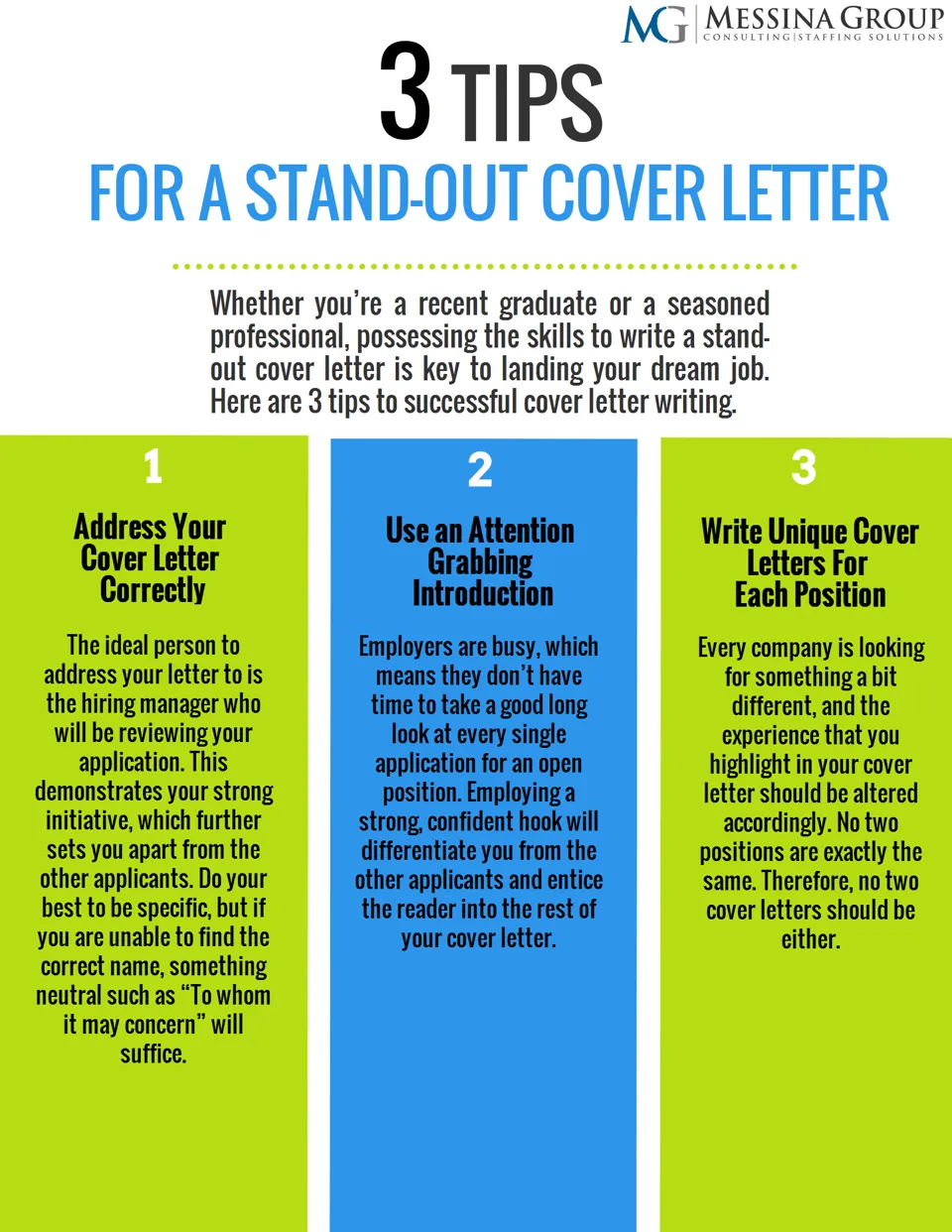
Cover Letter Tips Top 7 to Impress
Crafting a compelling cover letter is a crucial step in the job application process. It’s your chance to make a strong first impression and showcase why you’re the perfect fit for the role. A well-written cover letter goes beyond simply restating your resume; it tells a story, highlighting your relevant skills, experiences, and passion for the position. To make sure your cover letter stands out, it’s important to pay attention to every detail, from formatting to content. This guide provides seven essential cover letter tips that can help you create a winning letter and increase your chances of landing an interview. Follow these tips and you’ll be well on your way to crafting a cover letter that impresses and gets you noticed.
Cover Letter Formatting Essentials
The appearance of your cover letter is just as important as its content. Proper formatting makes your letter easy to read and demonstrates your attention to detail. Poor formatting can make you appear unprofessional, so ensure your cover letter is well-organized and visually appealing. This section provides essential formatting tips to ensure your cover letter makes a positive first impression. A clean and professional layout shows you take the time to pay attention to detail and ensures the hiring manager can easily read and understand your qualifications.
Use a Professional Font

Select a font that is easy to read and projects professionalism. Avoid overly stylized or whimsical fonts, as they can appear less serious. Recommended fonts include Times New Roman, Arial, Calibri, and Helvetica. Ensure the font size is between 10 and 12 points for optimal readability. Using a consistent font throughout your cover letter creates a polished and professional look. A well-chosen font demonstrates your attention to detail and helps the hiring manager focus on the content of your letter.
Keep It Concise
Keep your cover letter to one page, ideally. Hiring managers are busy and may not have time to read lengthy letters. Focus on the most relevant information and use clear, concise language. Each paragraph should have a purpose and contribute to your overall message. Avoid unnecessary jargon or overly complex sentences. Being direct and to the point helps you communicate your key qualifications effectively and shows respect for the reader’s time. A concise cover letter is more likely to be read and appreciated.
Highlight Relevant Skills
Your cover letter should clearly highlight the skills and experiences that align with the job description. Identify the key requirements of the role and demonstrate how your qualifications match them. Use the job posting as a guide to determine which skills and experiences the employer values most. Tailor your letter to each job application to show that you understand the specific needs of the position. By emphasizing the skills that are most relevant, you increase your chances of getting noticed by the hiring manager. This targeted approach shows that you’ve researched the role and are a strong candidate.
Match the Job Description

Carefully review the job description and identify the keywords and requirements. Use these keywords in your cover letter to show that you meet the employer’s needs. Explain how your skills and experiences align with the job’s responsibilities and expectations. Provide specific examples to illustrate your abilities. Customizing your cover letter to match the job description demonstrates your attention to detail and your understanding of the role. It shows the hiring manager that you have taken the time to understand their requirements. This approach significantly increases your chances of being selected for an interview.
Use Keywords
Incorporate keywords from the job description throughout your cover letter. These keywords help your application get noticed by applicant tracking systems (ATS). Use relevant terms to describe your skills and experiences. However, avoid keyword stuffing; the letter should still read naturally. Integrating keywords seamlessly shows that you understand the job requirements and that your qualifications match. Using the right keywords increases the likelihood of your application being reviewed by a human and moves you closer to getting an interview.
Showcase Your Achievements
Instead of simply listing your responsibilities, focus on your achievements. Describe what you accomplished in previous roles and how you contributed to the success of your previous employers. Use action verbs to start your sentences and provide specific examples of your achievements. This approach demonstrates your value and shows the hiring manager what you can bring to the table. Highlighting your achievements makes your cover letter more impactful and memorable. It makes you stand out from other candidates.
Quantify Your Accomplishments

Whenever possible, quantify your achievements with numbers and data. This provides concrete evidence of your success. For example, instead of saying “Improved customer satisfaction,” say “Increased customer satisfaction by 15%.” Quantifying your achievements makes your claims more credible and impactful. Use metrics to demonstrate the value you brought to previous roles and how you can achieve similar results for the prospective employer. Quantifiable achievements immediately grab the hiring manager’s attention.
Provide Specific Examples
Back up your claims with specific examples from your past experiences. Use the STAR method (Situation, Task, Action, Result) to structure your examples. Briefly describe the situation, your task, the actions you took, and the results you achieved. Providing specific examples shows that you possess the skills and experiences the employer is looking for. These examples add depth and credibility to your cover letter. Specific examples give the hiring manager a clear understanding of your abilities and potential.
Tailor Your Letter
Avoid using a generic cover letter. Customize each letter to match the specific job and company. Show that you understand the company’s mission, values, and culture. Research the company and demonstrate your interest in the specific role. Tailoring your cover letter shows the hiring manager that you are genuinely interested in the opportunity and that you’ve taken the time to understand their needs. This personalized approach greatly increases your chances of getting noticed. Tailoring demonstrates that you are committed to the process.
Research the Company

Before writing your cover letter, research the company and its values. Visit their website, read news articles, and check their social media presence. Understanding the company helps you tailor your letter to their specific needs and requirements. Use this information to show how your skills and experiences align with their goals. Demonstrating that you have done your research shows your interest and dedication. Including company-specific details proves that you are not just sending a generic application.
Address the Hiring Manager by Name
If possible, address your cover letter to the hiring manager by name. This shows that you have taken the time to find out who will be reading your application and creates a more personal connection. If you can’t find the hiring manager’s name, use a professional greeting, such as “Dear Hiring Manager.” Addressing the hiring manager directly demonstrates that you are attentive and that you pay attention to detail. It shows you are making a personalized effort. This small gesture can make a big difference in capturing their attention.
Proofread Meticulously
Proofreading is essential to ensure your cover letter is free of errors. Typos, grammatical errors, and spelling mistakes can create a negative impression. Carefully review your letter before submitting it. Ask a friend or family member to proofread it for you. A polished and error-free cover letter shows your professionalism and attention to detail. Taking the time to proofread demonstrates that you value your application and take pride in your work. Proofreading is an important step that should not be missed.
Check Grammar and Spelling

Use a grammar and spell-checking tool to catch any errors. Ensure that you have used correct punctuation and capitalization throughout the letter. Pay attention to sentence structure and word choice. Even small errors can detract from your credibility. A well-written cover letter showcases your communication skills. Proofread thoroughly to eliminate any errors that might hurt your application. Errors can make you seem careless.
Read It Aloud
Reading your cover letter aloud can help you catch awkward phrasing and grammatical errors that you might miss when reading silently. Reading aloud helps you hear how your writing flows and identify any areas that need improvement. This technique can help you ensure your cover letter is clear, concise, and easy to understand. Reading aloud helps improve the clarity of your writing. It also helps you ensure your letter’s tone aligns with the message you want to convey.
Follow Up Appropriately
After submitting your cover letter and resume, it’s important to follow up appropriately. This demonstrates your continued interest in the position and helps you stay top of mind. However, be mindful of the company’s policies and the hiring manager’s preferences. A well-timed follow-up can reinforce your interest and increase your chances of moving forward in the hiring process. Professional follow-up demonstrates your initiative and professionalism.
Send a Thank You Note

If you’ve had an interview, always send a thank you note to the interviewer. Express your gratitude for their time and reiterate your interest in the position. Reference specific points discussed during the interview to show that you were engaged. A thank you note reinforces your professionalism and provides an opportunity to further highlight your qualifications. It can also help you stand out from other candidates. A thank you note reflects positively on you and your commitment to the role.
Inquire About the Status
If you haven’t heard back within the timeframe provided, it’s appropriate to inquire about the status of your application. Send a brief, polite email to the hiring manager or the contact person. Express your continued interest and ask for an update on the hiring process. Be patient and professional in your communication. A well-timed follow-up demonstrates your interest without being overly persistent. It shows you are actively engaged in your job search. Always respect the hiring manager’s time and be polite in all communications.