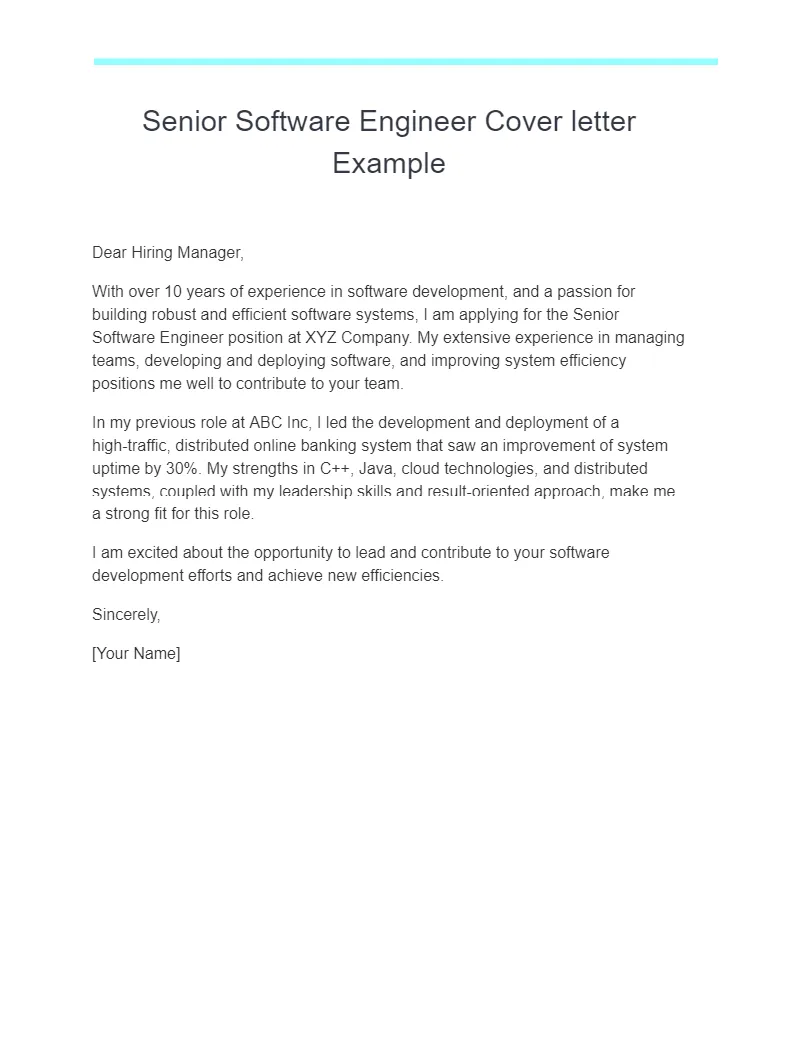
Cover Letter Essentials for New Grad Software Engineers
Landing your first software engineering role as a new graduate can feel daunting. With fierce competition and a market flooded with talented individuals, it’s essential to present yourself effectively. A well-crafted cover letter is your secret weapon. This document provides a crucial opportunity to go beyond your resume, demonstrating your personality, passion, and potential value to a prospective employer. This guide provides insights into crafting cover letters, tailored for the challenges faced by new graduates in the software engineering field, providing practical advice and examples to boost your chances of success.
Understanding the Purpose of a Cover Letter
A cover letter’s primary purpose is to introduce yourself, your skills, and your enthusiasm for the specific job and company. It’s not just a formality; it’s your first impression, a chance to tell a compelling story that complements your resume. It demonstrates your communication skills, your understanding of the role, and your motivation to join the company. Unlike a resume, which is a factual summary, a cover letter is where you can inject personality, explain your career aspirations, and showcase why you are a great fit for the particular opportunity. It’s your opportunity to connect your experiences to the employer’s needs.
Highlighting Your Skills

Your cover letter should highlight the skills that align with the job description. Focus on the most relevant technical and soft skills, providing specific examples of how you’ve used these skills in the past. This isn’t just about listing skills; it’s about demonstrating how you can apply them to solve problems and contribute to the team. This is an opportunity to elaborate on projects and experiences touched on in your resume, providing a deeper insight into your capabilities and experiences and showcasing your potential contributions.
Technical Skills to Include
Technical skills are the foundation of any software engineering role. When listing these skills, be specific. Instead of just saying ‘programming languages,’ mention the languages you know (Java, Python, C++), and your proficiency level. Also, include relevant technologies, frameworks, and tools (e.g., React, AWS, Git). If you have experience with specific development methodologies (Agile, Scrum), mention them as well. Quantify your experience where possible. For example, ‘Developed a web application using React, resulting in a 20% increase in user engagement.’
Soft Skills to Showcase
Soft skills are equally important. They demonstrate your ability to work effectively in a team, communicate clearly, and adapt to new challenges. Highlight skills such as problem-solving, communication, teamwork, time management, and adaptability. Provide examples of how you’ve demonstrated these skills. For instance, ‘Successfully collaborated with a team of five developers to deliver a project on time and within budget, using effective communication and conflict-resolution strategies.’ Emphasize your ability to learn quickly and your enthusiasm for the field.
Tailoring Your Cover Letter

A generic cover letter sent to multiple companies is a recipe for rejection. Tailoring your cover letter to each specific job and company is crucial. This shows you’ve taken the time to understand the role and that you’re genuinely interested in the opportunity. The level of personalization can significantly increase your chances of getting noticed by the hiring manager. Demonstrating that you have done your research and understand the company’s needs will give you a competitive advantage.
Researching the Company
Before writing your cover letter, research the company. Understand their mission, values, recent projects, and the specific requirements of the role. Visit their website, read their blog, and check out their social media presence. Look for keywords and phrases used in the job description that you can incorporate into your cover letter. This research will not only help you tailor your letter but also demonstrate your genuine interest in the company and role.
Customizing Your Content
Once you understand the company, customize your cover letter accordingly. Address the specific requirements mentioned in the job description. Highlight the skills and experiences that align with those requirements. Explain how your skills and experiences can contribute to the company’s goals. Personalize your letter by mentioning specific projects, technologies, or initiatives that resonate with the company’s work. This demonstrates that you understand their needs and are a good fit for the role.
Structuring Your Cover Letter
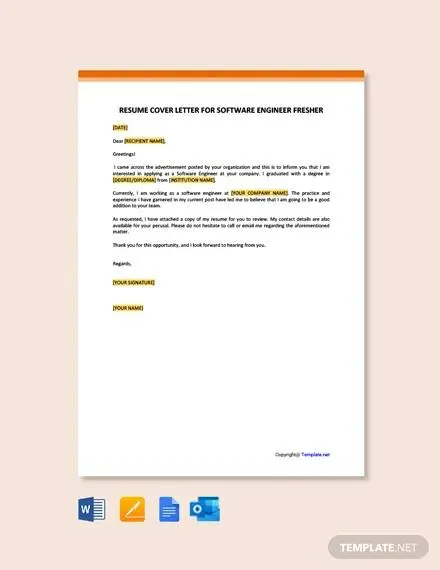
A well-structured cover letter is easy to read and effectively conveys your message. Follow a standard format with a clear header, an engaging opening paragraph, concise body paragraphs, and a strong closing. This structure helps the reader quickly grasp your qualifications and enthusiasm.
The Header Section
Start with a professional header that includes your contact information (name, phone number, email, and optionally your LinkedIn profile URL). Then, include the date and the hiring manager’s name and title if you know it. If you don’t have the hiring manager’s name, use the title of the position or ‘Hiring Manager.’ This attention to detail demonstrates professionalism and shows that you’ve taken the time to personalize your application.
The Opening Paragraph
The opening paragraph should immediately grab the reader’s attention. State the position you are applying for and how you found the job posting (e.g., on LinkedIn, company website). Briefly mention your interest in the company and the specific role, highlighting something that caught your eye. Avoid generic phrases. Instead, express your enthusiasm and give a brief overview of your qualifications.
Body Paragraphs

The body paragraphs are where you showcase your skills and experiences. Use 2-3 paragraphs to elaborate on your qualifications, focusing on the most relevant skills and experiences. Provide specific examples, using the STAR method (Situation, Task, Action, Result) to illustrate how you’ve used your skills to achieve results. Quantify your achievements whenever possible (e.g., ‘Improved website performance by 20%’). Connect your experience with the job description and the company’s needs.
The Closing Paragraph
The closing paragraph should reiterate your interest in the role and the company. Thank the hiring manager for their time and consideration. Clearly state your availability for an interview and include a call to action (e.g., ‘I am eager to discuss how my skills and experience can benefit your team’). Keep it concise, professional, and leave a lasting positive impression.
Actionable Advice for Writing a Strong Cover Letter
Crafting a compelling cover letter goes beyond simply listing your skills. It requires careful planning, strategic writing, and a keen understanding of what employers are looking for. Here are some actionable tips that can transform your cover letter from adequate to outstanding.
Showcasing Projects and Experience

As a new grad, you may have limited professional experience, but you likely have projects from your coursework, internships, or personal endeavors. Use your cover letter to showcase these projects. Describe your role, the technologies you used, and the problem you solved. If possible, provide a link to your portfolio or GitHub profile to allow the hiring manager to see your work firsthand. This demonstrates your practical application of skills and your passion for software engineering.
Quantifying Your Achievements
Whenever possible, quantify your achievements. Instead of saying ‘Improved website performance,’ state ‘Improved website performance by 20% by optimizing database queries.’ Numbers and statistics make your achievements more concrete and demonstrate your impact. Quantifying your achievements provides tangible evidence of your abilities and helps you stand out from other candidates.
Proofreading and Editing
Before submitting your cover letter, proofread it carefully for any typos or grammatical errors. Ask a friend, family member, or career advisor to review your letter as well. A polished cover letter demonstrates attention to detail and professionalism. Even small errors can create a negative impression and undermine your qualifications.
Common Mistakes to Avoid

Avoiding common mistakes is just as important as writing a strong cover letter. Being aware of potential pitfalls helps you prevent them and increases your chances of making a positive impression on the hiring manager.
Generic Cover Letters
Sending a generic cover letter is one of the biggest mistakes. Avoid using a template that isn’t tailored to the specific job and company. Generic letters show a lack of effort and a lack of interest in the specific role. Tailor each cover letter to the job description and the company’s needs, highlighting relevant skills and experiences.
Typos and Grammatical Errors
Typos and grammatical errors are a major turn-off for hiring managers. They suggest a lack of attention to detail and professionalism. Always proofread your cover letter carefully and ask someone else to review it before submitting it. Use grammar-checking tools to catch any errors you might have missed.
Ignoring the Job Description
Failing to address the requirements outlined in the job description is another common mistake. Carefully review the job description and tailor your cover letter to highlight the skills and experiences that match the requirements. Demonstrating how your skills and experiences align with the job requirements is essential to getting noticed by the hiring manager.
Cover Letter Template Examples
A well-structured cover letter is easy to read and effectively conveys your message. Use a professional template and personalize it to fit the job you are applying for. Use these templates as a guide, but remember to personalize them to the specific job you are applying for. Tailoring your cover letter to each job is crucial.