Unveiling Cover Letter Templates Top 5 Secrets
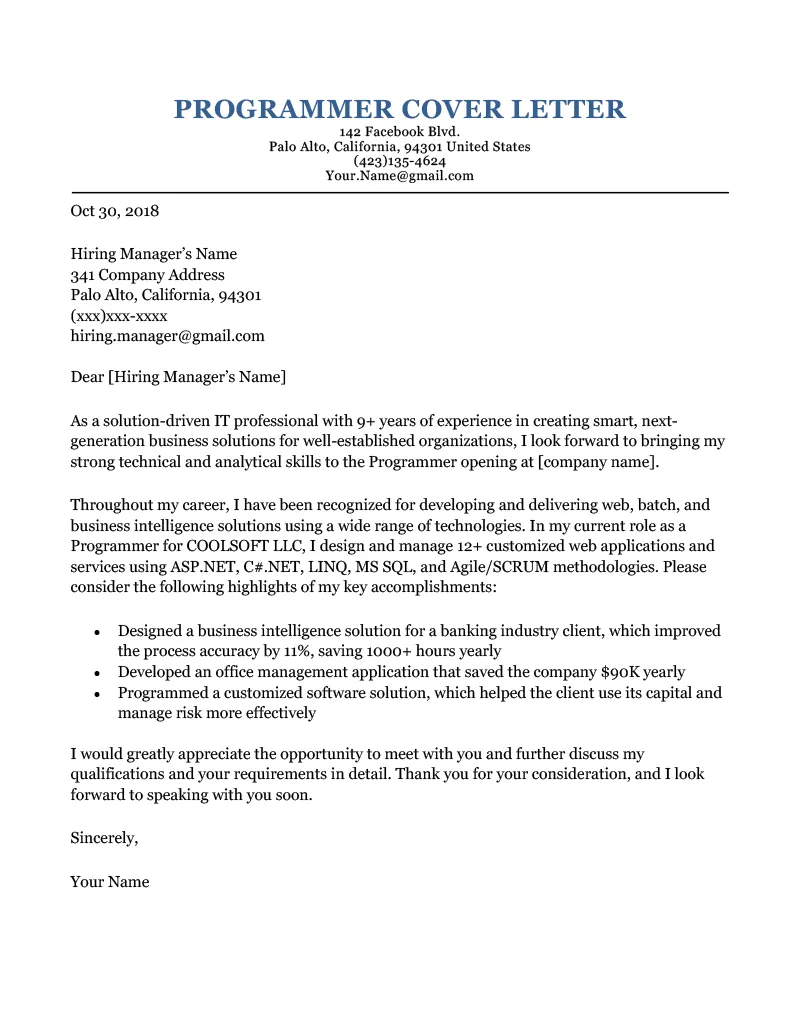
Crafting a compelling cover letter is a critical step in the job application process. It’s your opportunity to make a strong first impression and convince potential employers that you’re the right fit for the role. While resumes provide a snapshot of your qualifications, a cover letter allows you to tell your story and demonstrate your enthusiasm for the position. This article unveils the top 5 secrets to using cover letter templates effectively to elevate your job application and increase your chances of landing an interview. By mastering these secrets, you can transform a generic template into a powerful tool that highlights your unique skills and experiences, ultimately leading you closer to your dream job. Let’s dive into how you can utilize cover letter templates to their fullest potential, ensuring your application stands out from the competition and captures the attention of hiring managers. These secrets, when applied correctly, will not only make your cover letter more appealing but also more impactful.
Secret 1 Highlight Your Achievements
One of the most significant secrets to creating a standout cover letter is to highlight your achievements. Rather than simply listing your responsibilities, focus on the accomplishments you’ve achieved in previous roles. This approach immediately demonstrates your value to a potential employer and provides concrete evidence of your abilities. Cover letter templates often provide space for you to detail your experience, and it’s here that you should concentrate on showcasing your successes. Think about the impact you made in previous positions and quantify your results whenever possible. For example, instead of saying ‘Managed social media accounts,’ you could say ‘Increased social media engagement by 40% in six months.’ Highlighting achievements creates a powerful narrative that resonates with employers.
Quantify Your Accomplishments

Quantifying your accomplishments is a crucial step in making your cover letter more impactful. Use numbers, percentages, and specific data to illustrate the extent of your successes. This provides tangible evidence of your abilities and allows employers to easily understand the value you bring. For instance, instead of writing ‘Improved customer service,’ write ‘Reduced customer complaint resolution time by 25%.’ This level of detail not only showcases your accomplishments but also demonstrates your analytical skills and your ability to measure and improve performance. By including quantifiable results, you transform your cover letter from a general overview of your experience into a compelling story of your achievements, capturing the attention of hiring managers. It provides concrete proof of your capabilities.
Tailor Your Letter for Each Job
While cover letter templates are a great starting point, tailoring them to each specific job application is essential. Generic cover letters, even if well-written, often fail to make a strong impression because they lack the specific relevance and personalization that employers seek. Begin by carefully reviewing the job description and identifying the key skills and qualifications that the employer is looking for. Then, customize your cover letter to highlight those skills and provide specific examples of how you’ve demonstrated them in the past. This demonstrates that you’ve taken the time to understand the role and the company’s needs. Showcasing your understanding of the role will set you apart. Address the company’s specific needs and requirements directly. This personalized approach significantly increases your chances of getting noticed.
Secret 2 Showcase Your Skills
Your cover letter is the ideal place to showcase your skills, both hard and soft. While your resume lists your skills, the cover letter allows you to expand on them and demonstrate how you’ve utilized those skills in practical situations. Start by identifying the key skills required for the job you’re applying for. Then, for each skill, provide a brief description of how you’ve used it in previous roles. This not only reinforces your qualifications but also gives employers a clearer understanding of how you can contribute to their team. When you showcase your skills, it’s crucial to go beyond simply listing them; provide examples that illustrate your proficiency and results. By clearly demonstrating your skills, you provide the evidence that employers need to recognize your value.
Identify Key Skills
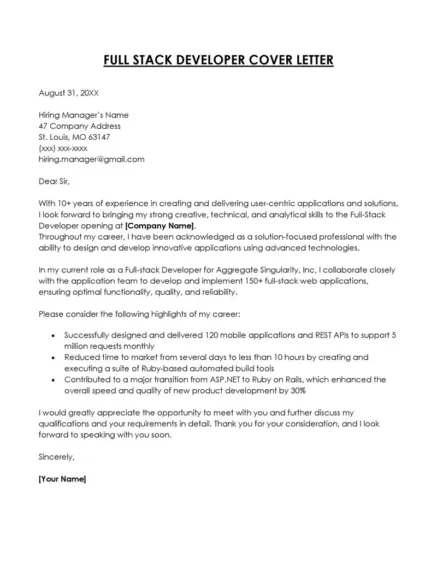
Identifying the key skills required for the job is the first step in tailoring your cover letter to match the employer’s needs. Begin by carefully reviewing the job description and highlighting the skills and qualifications that are most emphasized. These are the skills the employer deems most important for success in the role. Then, assess your own skill set and determine which of those key skills you possess. Make a list of these skills and keep them in mind as you begin writing your cover letter. This focused approach ensures that you’re highlighting the skills that are most relevant to the position, increasing your chances of capturing the employer’s attention. Customizing your cover letter with the identified skills shows you can meet the expectations of the job.
Provide Concrete Examples
Providing concrete examples is the key to making your cover letter stand out. Rather than simply stating that you possess a particular skill, provide specific instances where you’ve successfully applied that skill. Use the STAR method (Situation, Task, Action, Result) to structure your examples. Describe the situation you were in, the task you had to accomplish, the actions you took, and the results you achieved. This narrative structure makes your examples more engaging and easier for the employer to understand. For example, instead of saying ‘I have strong communication skills,’ you could say ‘In my previous role, I successfully led a team in a high-pressure project. I kept the team updated and the results were outstanding’. The results will be the biggest selling point for your skills.
Secret 3 Match the Company Culture
Understanding and matching the company culture is a subtle but highly effective secret. Employers are not only looking for qualified candidates but also for individuals who will fit well within their organization. Your cover letter is an excellent opportunity to demonstrate that you understand the company’s values and work environment. Research the company thoroughly and identify their mission, values, and work culture. Then, subtly integrate this knowledge into your cover letter by using their language, tone, and addressing the company’s specific needs. This demonstrates your interest and shows that you’ve taken the time to understand the company. By matching the company culture, you can show the hiring manager that you’re a perfect fit and increase your chances of getting hired. It gives the impression you are ready to work and fit in.
Research the Company

Thoroughly researching the company is the first step to understanding their culture and tailoring your cover letter effectively. Visit the company’s website, read their ‘About Us’ section, and explore their social media presence to get a sense of their values, mission, and work environment. Look for information on their company culture, employee testimonials, and any recent news or initiatives. Understanding their industry is also important. This research will provide you with valuable insights into the company’s priorities and values. These insights allow you to align your cover letter with their expectations. You can mention your knowledge about a recent project, and it will show that you are a good fit for the role and the company.
Use Their Language
Once you’ve researched the company, it’s time to use their language in your cover letter. Pay attention to the words and phrases the company uses to describe itself, its values, and its employees. Incorporate this language into your cover letter to demonstrate that you understand their culture and are a good fit. For instance, if the company emphasizes teamwork and collaboration, use words like ‘collaborate,’ ’teamwork,’ and ‘partnership’ to describe your experiences. If they value innovation, highlight your creative problem-solving skills. Avoid using generic language and opt for words and phrases that align with the company’s specific tone. Using the company’s language shows the hiring manager that you are invested in the role. The correct use of language will highlight that you are the perfect candidate.
Secret 4 Perfect Your Formatting
Formatting is a critical but often overlooked aspect of a cover letter. A well-formatted cover letter is easy to read, professional, and reflects your attention to detail. Choose a professional font, such as Arial, Times New Roman, or Calibri, and use a font size between 10 and 12 points. Ensure that your letter is well-spaced, with consistent margins and clear headings. A cluttered or poorly formatted cover letter can make a negative impression, no matter how strong your content is. Following these formatting tips will help you present a polished and professional image. Proofreading is critical, but formatting can be easily overlooked. Perfecting your formatting is a simple way to improve your chances of making a good first impression. Make the information easy to read.
Choose a Professional Font

Choosing a professional font is a simple yet essential step in ensuring your cover letter looks polished and easy to read. Avoid overly decorative or unconventional fonts that can distract the reader. Stick to classic, professional fonts such as Arial, Times New Roman, or Calibri. These fonts are widely recognized, easy on the eyes, and project a sense of professionalism. The font size should be between 10 and 12 points. The font must be readable and clean. Using a professional font ensures that your cover letter appears trustworthy. It conveys attention to detail and a commitment to quality. This small detail can make a big difference in the overall impact of your cover letter, ensuring that your message is clearly communicated and positively received.
Keep it Concise
Keeping your cover letter concise is crucial. Hiring managers often have limited time to review applications, so it’s essential to get your message across quickly and effectively. Aim for a cover letter that is no more than one page long. Focus on the most relevant information and avoid including unnecessary details. Be selective about what you include, and ensure that every sentence serves a purpose. Use clear and concise language, and avoid jargon or overly complex phrasing. The goal is to capture the reader’s attention immediately and highlight your key qualifications. A concise cover letter shows that you value the reader’s time and can communicate your message efficiently. Keep your reader’s attention.
Secret 5 Proofread and Edit Meticulously
Proofreading and editing your cover letter meticulously is the final and perhaps most important step in the process. Errors in grammar, spelling, or punctuation can create a negative impression and undermine your credibility. Always proofread your cover letter multiple times, and consider getting a second opinion from a friend, family member, or career counselor. Errors can be embarrassing, so taking the time to perfect your cover letter is essential. Careful proofreading demonstrates your attention to detail and your commitment to quality. It is the best way to make sure your cover letter reflects your professionalism. A well-proofread cover letter shows that you care about the quality of your work and will enhance your overall job application.
Check for Grammar and Spelling

Checking for grammar and spelling errors is a non-negotiable part of the proofreading process. Errors can distract the reader and undermine your professionalism. Use a spell checker, but don’t rely on it entirely. Proofread your cover letter carefully, looking for any typos, grammatical errors, or punctuation mistakes. Read your cover letter aloud to catch any awkward phrasing or errors that you might miss when reading silently. Make a final check before submitting your application. This extra attention to detail will ensure that your cover letter is polished and professional. A grammar and spelling mistake can lead to a rejected application. Avoid these mistakes to ensure you have a higher chance of getting an interview.
Get a Second Opinion
Getting a second opinion is an invaluable step in the proofreading process. Another pair of eyes can often catch errors that you might miss. Ask a trusted friend, family member, or career counselor to review your cover letter. They can provide feedback on grammar, spelling, clarity, and overall effectiveness. They might also offer valuable suggestions for improving your letter. Having a second opinion will highlight any weaknesses in your cover letter. This is the best way to improve your overall application. A fresh perspective can reveal areas for improvement and help you present your best self to potential employers. Consider it as an important final step.
Conclusion
Mastering the secrets of effective cover letter templates can significantly enhance your job search. By highlighting your achievements, showcasing your skills, matching the company culture, perfecting your formatting, and meticulously proofreading, you can create a cover letter that grabs the attention of hiring managers and sets you apart from the competition. Remember to customize your cover letter for each application, and always strive to present a polished and professional image. Implement these secrets and increase your chances of landing your dream job. Your application will be more effective, and you will stand a higher chance of being chosen for an interview. By following these steps, you’ll be well on your way to crafting a cover letter that gets you noticed and gets you hired.