Why Cover Letter Templates Matter
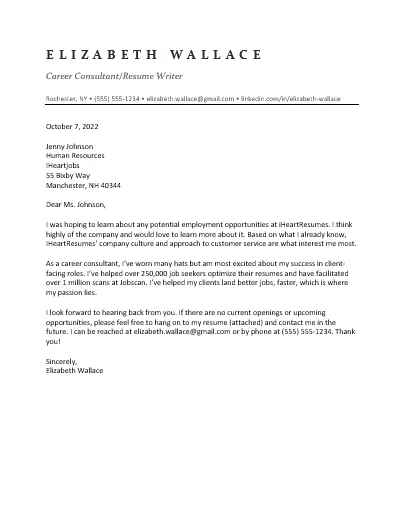
In the competitive job market, a well-crafted cover letter can be the key to landing your dream job. Many job seekers often underestimate the importance of a cover letter, viewing it as a mere formality. However, a compelling cover letter serves as your first impression, allowing you to showcase your personality, skills, and enthusiasm for the role. Cover letter templates provide a valuable framework, offering a structured approach to crafting a persuasive narrative. These templates guide you through the essential components, ensuring you don’t miss crucial details. They save time by providing a pre-designed layout, enabling you to focus on personalizing the content to match the job requirements. Choosing the right template is the first step to success.
Understanding the Power of a Great Cover Letter
A great cover letter goes beyond simply restating your resume; it’s an opportunity to demonstrate your unique value proposition. It allows you to articulate your career goals, explain your motivations for applying, and highlight your most relevant skills and experiences. A well-written cover letter should be concise, engaging, and tailored to the specific job and company. It shows why you are the ideal candidate. It’s where you connect your past experiences with the job requirements, showcasing your personality and passion for the role. A great cover letter can make or break your chances.
Cover Letter Templates for Different Industries

Cover letter templates aren’t one-size-fits-all. The ideal template varies significantly based on the industry and job. For example, a marketing role requires a different approach than a finance position. Industries have different expectations regarding cover letters. The template should reflect industry conventions, including tone, style, and information emphasized. Tailoring your template to the industry shows that you understand the field and are serious about the opportunity. Researching the industry can help you decide on the most appropriate template.
Templates for Entry-Level Positions
Entry-level cover letter templates should highlight academic achievements, internships, volunteer experiences, and any relevant skills gained through extracurricular activities or part-time jobs. Since you may lack extensive professional experience, the template should emphasize your potential, willingness to learn, and enthusiasm for the role. It’s an opportunity to demonstrate your transferable skills and showcase projects or coursework aligning with job requirements. The tone should be professional yet enthusiastic, reflecting your eagerness to start your career. It is vital to tailor the template to the specific company and position, demonstrating your genuine interest.
Templates for Mid-Career Professionals
Mid-career professionals should use a cover letter template that showcases accomplishments, leadership skills, and quantifiable results. The template should emphasize career progression, project management experience, and any specialized skills or certifications. Highlight contributions to previous companies and demonstrate how your experience aligns with the job’s responsibilities. The tone should be confident and strategic, reflecting your professional maturity and expertise. Your cover letter should tell a cohesive story about your career journey and how it has prepared you for the role you are seeking.
Templates for Executive Roles

Executive-level cover letter templates should be concise, impactful, and focused on strategic leadership, vision, and significant achievements. The template should highlight experience in driving growth, managing large teams, and making key decisions impacting previous organizations. It should address how your leadership style and strategic approach align with the company’s goals. It is essential to tailor the template to emphasize your ability to lead, inspire, and deliver results. The tone should be authoritative and results-oriented, reflecting your executive presence and ability to navigate complex business challenges.
Key Elements of a Winning Cover Letter
A successful cover letter includes certain core elements. The opening paragraph should grab the reader’s attention, stating the position you’re applying for, where you found the job posting, and why you’re interested. Body paragraphs should showcase skills and experiences that align with the job requirements, providing concrete examples of your achievements, using action verbs. A strong closing paragraph should reiterate your interest, summarize qualifications, and include a call to action. Don’t forget to include your contact information. All elements must work together to show you are a suitable candidate.
Formatting Your Cover Letter for Maximum Impact
Effective formatting plays a vital role. Choose a professional, easy-to-read font like Arial or Times New Roman, and use a font size of 11 or 12 points. Ensure well-spaced margins (one inch on all sides) to prevent clutter. Use clear headings and bullet points to break up text and make information digestible. Keep paragraphs concise, ideally no more than five to six sentences each. Proofread meticulously for errors. Consistency in formatting is essential for a professional appearance. A well-formatted cover letter shows attention to detail and professionalism.
Highlighting Your Skills and Experience

Highlight the most relevant skills and experiences. Review the job description and identify key skills and requirements. Provide specific examples of how you’ve demonstrated those skills in previous roles. Use action verbs to describe accomplishments and quantify achievements whenever possible. Tailor your examples to the job’s needs. Focus on the results you achieved and how you can bring those results to the new position. Tailoring your letter demonstrates that you understand the role and have the right skills.
Tailoring Your Cover Letter to the Job
Generic cover letters are rarely effective. Tailoring is a critical step. Research the company and the role. Understand the company’s values, mission, and culture, and show how your skills and experiences align with their objectives. Review the job description to identify key requirements and keywords. Use these keywords throughout your letter to demonstrate that you meet the position’s needs. Personalize the letter by addressing the hiring manager by name. Reference specific projects, initiatives, or aspects of the company that interest you. Tailoring shows your genuine interest and that you’ve taken the time to understand the role.
Using Action Verbs to Showcase Your Achievements
Action verbs are essential for effectively showcasing your achievements. They make your accomplishments more dynamic and memorable. Use strong action verbs like “managed,” “led,” “achieved,” “developed,” and “implemented.” Quantify your achievements whenever possible. For example, instead of saying “Improved customer satisfaction,” write “Improved customer satisfaction by 20%.” Action verbs and quantifiable results make your letter more compelling and demonstrate the value you bring.
Proofreading and Editing Your Cover Letter

Proofreading and editing are essential for perfecting your cover letter. Always proofread for grammatical errors, spelling mistakes, and typos. Use a spell checker and grammar checker as a starting point. Read the document multiple times, slowly, and with attention to detail. It can be helpful to read your letter aloud or have someone else proofread it. Ensure consistent formatting. A polished, error-free cover letter shows professionalism, while errors create a negative impression.
Tips for Writing a Compelling Cover Letter
Beyond the basics, there are key tips to help you impress. Research the company and personalize your letter. Show genuine enthusiasm for the role and the company’s mission. Quantify your achievements. Use action verbs and provide specific examples to showcase skills and experiences. Keep your letter concise. Aim for a maximum of one page. Proofread carefully for errors in grammar or formatting. Consider using a professional-looking template, but always tailor it. These tips, combined with a well-crafted cover letter, increase your chances of landing an interview. Your letter is your chance to make a great first impression.
Show, Don’t Tell
Rather than simply stating your skills, provide specific examples that demonstrate your abilities. Instead of saying “I am a strong communicator,” describe a situation where you effectively communicated to a team or resolved a conflict. Use the STAR method (Situation, Task, Action, Result) to structure your examples. First, set the scene (the situation), then describe the task you had to accomplish, explain the actions you took, and finally, highlight the results you achieved. This makes your accomplishments more tangible and impactful.
Keep it Concise

Hiring managers are busy, so your cover letter should be concise. Aim for a maximum of one page, and keep paragraphs short. Avoid jargon and complex language. Use clear and straightforward language. Focus on the most relevant information and accomplishments. Edit ruthlessly, cutting any unnecessary words. Make sure the most important information is immediately apparent. Brevity and clarity help you grab the reader’s attention.
Ending with a Strong Call to Action
Your conclusion should encourage the hiring manager to take the next step. End with a clear and direct call to action. Express your interest in the position and enthusiasm to discuss your qualifications further in an interview. Provide your contact information again and thank the hiring manager for their time and consideration. A strong call to action increases the likelihood of an interview. End with confidence and excitement.