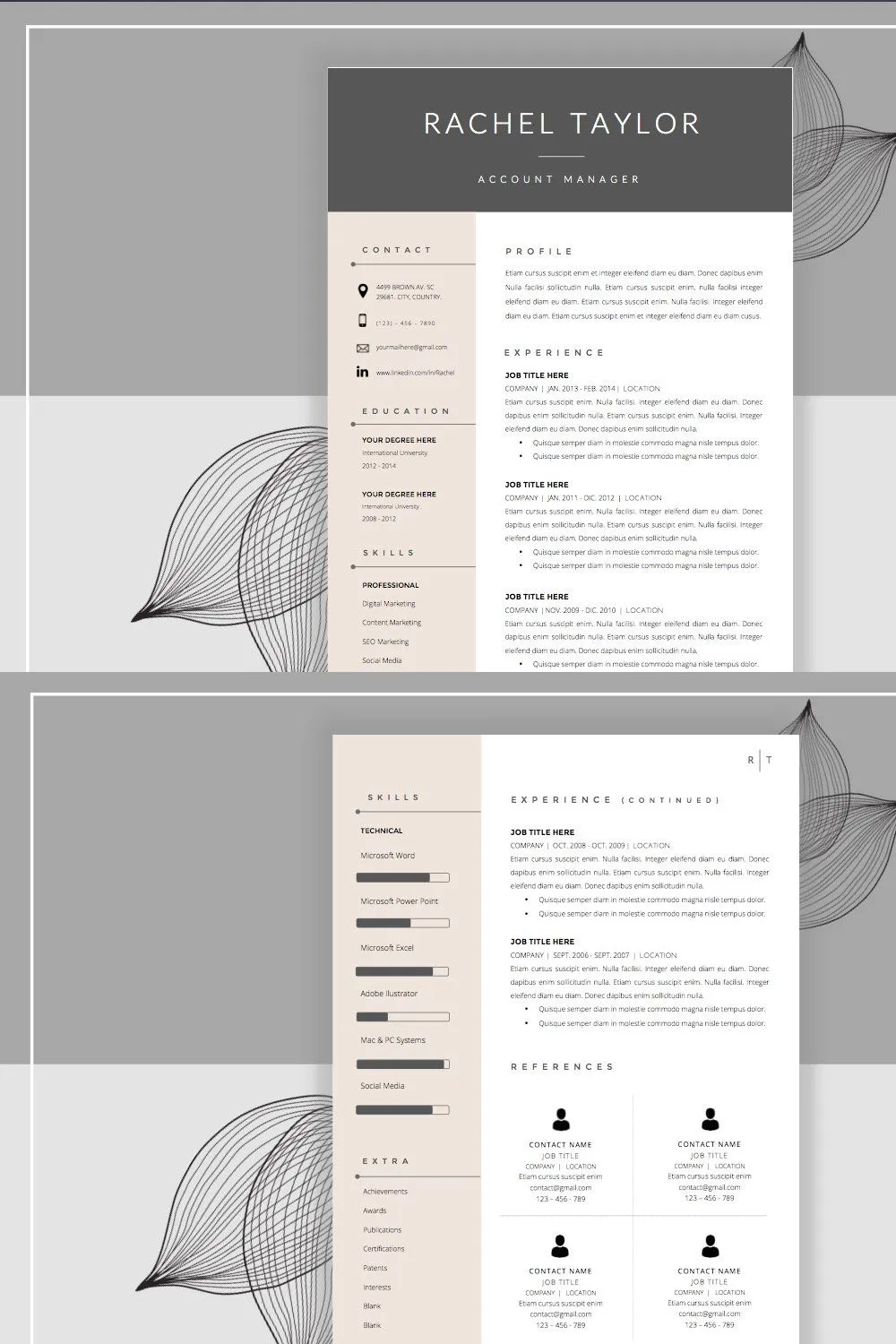
What is a Cover Letter Template
A cover letter template is a pre-designed format that serves as a starting point for creating a personalized cover letter. Think of it as a blueprint or a framework. It provides the structure, layout, and often some basic content, which you can then customize to fit your specific needs and the requirements of each job application. Using a template streamlines the writing process, ensuring that your cover letter is well-organized, professional-looking, and includes all the essential elements. It allows you to focus on the content, i.e., showcasing your skills and experience, rather than spending time on formatting and layout.
Why Use a Cover Letter Template
Using a cover letter template offers significant advantages in the job application process. It saves time and effort by providing a ready-made structure. Templates also ensure consistency in your applications, presenting a professional image to potential employers. Furthermore, a template provides a solid framework, guiding you to include all the necessary information and elements expected in a cover letter.
Saves Time & Effort

One of the most significant benefits of using a cover letter template is the time it saves. Crafting a cover letter from scratch can be a time-consuming process, requiring you to figure out the layout, format, and content structure. A template eliminates this initial phase, allowing you to quickly adapt a pre-designed structure. This is especially beneficial when applying for multiple jobs, as you can modify the template for each application instead of starting from square one. This efficiency lets you focus more on tailoring the content to match the specific job requirements and showcasing your qualifications.
Ensures Consistency
Consistency in your job application materials is essential for creating a professional brand. A cover letter template helps you achieve this by providing a consistent look and feel across all your applications. This includes consistent formatting, font choices, and the overall tone of your writing. Consistency projects a sense of attention to detail and professionalism, which can make a positive impression on hiring managers. This is especially important if you are applying for multiple roles at different companies.
Provides a Framework
A well-designed cover letter template provides a solid framework, guiding you on what information to include and how to structure it effectively. Most templates will typically include sections such as an introductory paragraph, a skills and experience section, a section that addresses why you’re a good fit for the company, and a call to action. This framework ensures that you don’t miss any critical elements. By following a template, you can confidently include all the necessary information to present yourself favorably to a potential employer. This structure makes the writing process easier and ensures a professional, polished final product.
Top 5 Cover Letter Template Tips

To maximize the effectiveness of your cover letter template, keep these top 5 tips in mind. Customizing the template for each job application, highlighting relevant skills, showcasing your personality, keeping the letter concise and focused, and proofreading carefully will dramatically increase your chances of success.
Customize for Each Job
Never send a generic cover letter. While the template provides a starting point, it’s crucial to customize it for each job application. This involves tailoring the content to match the specific requirements of the job description, the company’s values, and the hiring manager’s expectations. Research the company and the role, then weave in specific examples of how your skills and experience align with their needs. This customization shows that you’re genuinely interested in the position and that you’ve taken the time to understand their requirements.
Highlight Relevant Skills
Your cover letter should highlight the skills and experiences that are most relevant to the job you are applying for. Review the job description and identify the key skills and qualifications the employer is seeking. Then, use the cover letter to showcase how your past experiences have equipped you with these skills. Provide specific examples of how you’ve demonstrated these skills in previous roles, and quantify your achievements whenever possible. This focus on relevant skills demonstrates your value and increases your chances of getting an interview.
Showcase Your Personality

While professionalism is key, don’t be afraid to let your personality shine through in your cover letter. Use your writing style to convey your enthusiasm for the role and the company. Share a brief anecdote or a personal connection to the company or industry. Be authentic and genuine in your writing, letting your unique voice come through. A well-written cover letter can help you stand out from the competition, making you more memorable to the hiring manager.
Keep it Concise and Focused
Hiring managers are busy people, so it’s essential to keep your cover letter concise and focused. Aim for a single page and avoid rambling. Get straight to the point, highlighting your most relevant skills and experiences in the first few paragraphs. Use clear, concise language and avoid jargon. Make sure every sentence contributes to the overall message, showcasing your qualifications and interest in the role. A well-structured, concise cover letter is more likely to capture the reader’s attention and leave a positive impression.
Proofread Carefully
Before submitting your cover letter, always proofread it carefully. Typos, grammatical errors, and spelling mistakes can create a negative impression and undermine your credibility. Use a spell checker and grammar checker, but don’t rely solely on these tools. Read the letter aloud to catch any awkward phrasing or errors. It can also be helpful to have a friend or colleague review your cover letter for errors before submission. This final step can make a significant difference in ensuring your cover letter represents you in the best possible light.
Different Cover Letter Template Types

Cover letter templates come in various styles, each tailored for different purposes. Choosing the right template can significantly impact the effectiveness of your application.
The Classic Cover Letter Template
The classic cover letter template is a traditional and formal approach. It emphasizes a professional tone and a clear structure. Typically, it starts with your contact information, followed by the date and the recipient’s details. The body includes an introduction, a skills and experience section, a section on why you are a good fit, and a call to action. The classic template is suitable for almost any industry and job role, especially those where formality is expected.
The Modern Cover Letter Template
The modern cover letter template often features a more contemporary design and a slightly less formal tone. It may use visually appealing elements such as a different font or a unique layout to capture the reader’s attention. These templates are ideal for creative fields, tech companies, or any industry where a modern approach is appreciated. The modern template helps to showcase your personality and creativity while still maintaining a professional appearance.
The Skills-Based Cover Letter Template

The skills-based cover letter template focuses on highlighting your skills and qualifications. It’s particularly useful if you have transferable skills or if you are changing careers. This template emphasizes your abilities and how they align with the job requirements. Sections might be organized around specific skills, with examples of how you’ve used them in the past. The skills-based template allows you to showcase your value and demonstrate your ability to perform the job effectively, even if you don’t have direct experience in the specific field.
Where to Find Cover Letter Templates
Finding a cover letter template is easy, with numerous resources available both online and offline.
Online Template Websites
Several websites offer a wide variety of free and premium cover letter templates. These sites often have templates in various styles, from classic to modern, as well as templates tailored to specific industries or job roles. When choosing an online template, ensure the website is reputable and that the template is well-designed and easy to edit. Popular options include Canva, Zety, and Resume.com. These platforms also often provide helpful guides and tips for customizing your cover letter.
Word Processing Software Templates

Word processing software such as Microsoft Word and Google Docs also offers built-in cover letter templates. These templates are generally easy to use and can be customized to fit your needs. They provide a convenient and accessible option for creating professional cover letters, especially if you already have experience using the software. To access these templates, look for the ‘Templates’ or ‘New Document’ section in your word processing software.
Tips for Editing Your Cover Letter Template
Once you’ve chosen a cover letter template, the editing process is crucial for creating a compelling application. Here’s how to get started.
Tailor to the Job Description
As mentioned previously, tailoring your cover letter to each job description is crucial. Review the job posting carefully and identify the key skills and qualifications the employer is seeking. Then, use the template to highlight how your experience and skills align with their needs. Change the content of the cover letter template to directly address the specific requirements of the job.
Use Strong Action Verbs
When describing your skills and experiences, use strong action verbs. This makes your cover letter more dynamic and engaging. Replace passive phrases with active verbs that highlight your achievements. For example, instead of saying “Responsibilities included managing projects,” use “Managed projects” or “Led projects.” Action verbs create a more compelling narrative.
Quantify Your Achievements
Whenever possible, quantify your achievements to demonstrate the impact of your work. Provide numbers, percentages, or specific results to illustrate your contributions. For example, instead of saying “Improved customer satisfaction,” state “Increased customer satisfaction by 15%.” Quantifying your achievements adds credibility and provides tangible evidence of your capabilities. This can make a significant impression on potential employers.
Conclusion Using a Cover Letter Template Effectively
A cover letter template is a valuable tool for creating a professional, impactful job application. By understanding what a cover letter template is, why to use it, and how to edit it effectively, you can greatly increase your chances of getting noticed by potential employers. Remember to customize the template for each job, highlight relevant skills, showcase your personality, keep it concise, and always proofread carefully. Using these tips, you can create a cover letter that represents you professionally and showcases your qualifications, helping you to land your dream job.