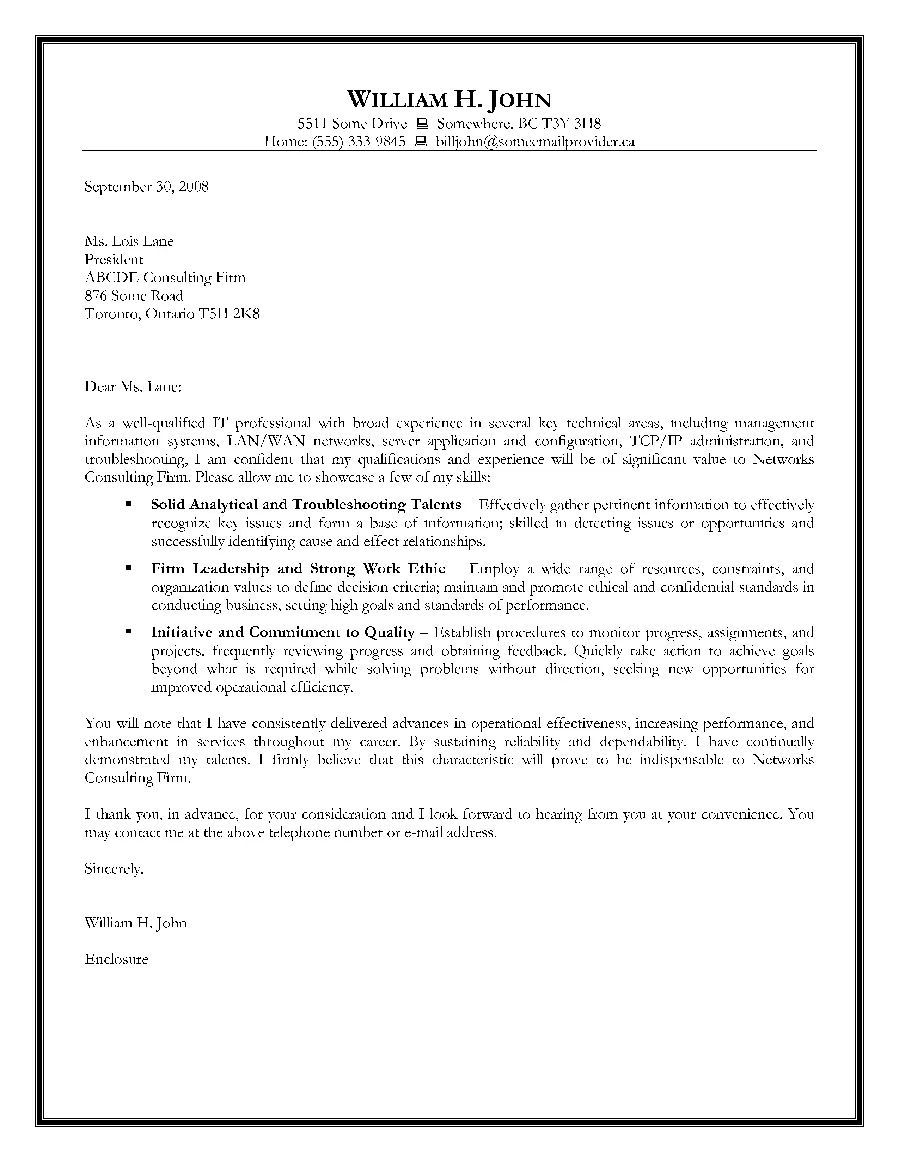
Cover Letter Tech Secrets Unveiled
In the fast-paced world of technology, a well-crafted cover letter is your key to unlocking the door to your dream job. It’s more than just a formality; it’s your first opportunity to make a lasting impression on potential employers. This guide unveils the secrets to crafting a tech cover letter that stands out from the crowd, showcasing your skills, experience, and passion for the industry.
Understanding the Importance of a Tech Cover Letter
In the competitive landscape of technology, a cover letter provides context to your resume. It allows you to tell your story, explain why you’re the perfect fit for a specific role, and demonstrate your understanding of the company’s needs. A compelling cover letter can be the deciding factor in whether your application gets noticed or overlooked. A strong cover letter showcases your personality, writing ability, and genuine interest in the position and the company. This is particularly crucial in tech, where soft skills and communication are highly valued alongside technical expertise.
Why a Tech Cover Letter Matters

A cover letter provides a space to elaborate on your resume. It provides a personal touch, helping recruiters understand you beyond your qualifications. It lets you highlight specific achievements relevant to the job and tailor your application to each position, and it demonstrates your communication skills, a vital asset in any tech role. A well-written cover letter also showcases your attention to detail, which is crucial in the tech field. It’s an opportunity to show you’ve researched the company and understand their needs, setting you apart from generic applicants.
Common Mistakes in Tech Cover Letters
Avoid generic templates, as they show a lack of effort. Ensure your cover letter is free of typos and grammatical errors, and don’t simply rehash your resume. Be specific about why you’re interested in the role and the company. Steer clear of jargon that the recruiter might not understand. Failure to tailor the cover letter to the specific job is a significant mistake, as is neglecting to quantify your achievements. Remember, a cover letter is a chance to distinguish yourself, so show genuine enthusiasm and personality while being concise and professional.
Key Components of a Compelling Tech Cover Letter
A strong tech cover letter follows a structured format, including these essential elements. Each part plays a crucial role in convincing the recruiter of your suitability for the role. From the initial greeting to the final call to action, every sentence should be crafted with purpose.
Contact Information and Salutation

Start with your contact details (name, phone, email, LinkedIn profile) at the top. Address the hiring manager by name, if possible; this demonstrates research and attention to detail. If you cannot find a name, use a professional greeting, like “Dear Hiring Manager.” Ensure the salutation matches the tone of the company and the role.
Opening Statement Grab Attention
Immediately grab the reader’s attention with a strong opening statement. This can be a brief anecdote, a notable achievement, or a statement of your passion for the company. State the specific role you are applying for. The opening should quickly convey your enthusiasm and make the recruiter want to read more.
Highlighting Relevant Skills and Experience
In the body of the cover letter, highlight the skills and experience most relevant to the job description. Provide specific examples of how you have used these skills to achieve results. Use keywords from the job posting. This demonstrates your ability to meet the company’s needs.
Quantifying Achievements and Impact

Whenever possible, quantify your achievements with numbers and data. Instead of saying you ‘improved efficiency,’ state you ‘improved efficiency by 20%.’ This provides concrete evidence of your abilities and the impact you have made in previous roles. Quantifiable results are more compelling and demonstrate your value to a potential employer.
Demonstrating Passion for the Company
Express genuine enthusiasm for the company and the role. Explain why you want to work there. This can include a deep understanding of their mission, their products, or the challenges they are facing. Your passion helps demonstrate your long-term commitment and sets you apart from other candidates.
Call to Action and Closing
End with a clear call to action, such as requesting an interview. Reiterate your interest and thank the hiring manager for their time and consideration. Maintain a professional tone throughout the closing and use a formal sign-off, like “Sincerely” or “Best regards.”
Formatting and Design Best Practices for Tech Cover Letters

The formatting and design of your cover letter are just as important as the content. They make your cover letter easy to read and show attention to detail. A well-formatted cover letter is more likely to impress a recruiter. Using these best practices can enhance readability and make a professional impression.
Choosing the Right Font and Format
Select a professional font like Arial, Calibri, or Times New Roman. Use a font size between 10 and 12 points for readability. Save the cover letter as a PDF to preserve the formatting. This ensures that your cover letter looks the same on any device. Avoid using overly stylized fonts or complex layouts that can be distracting.
Using White Space Effectively
Use white space to make your cover letter easy to read. Use short paragraphs, bullet points, and ample spacing between sections. Avoid overcrowding your document. This makes the information more accessible. A well-formatted document is easier to scan and understand.
Proofreading and Editing

Proofread your cover letter carefully for any typos, grammatical errors, or formatting inconsistencies. Have someone else review it as well. A polished cover letter shows attention to detail. Errors can create a negative impression and can potentially lead to your application being rejected. Make sure the language is clear, concise, and free of errors.
Tailoring Your Cover Letter to Specific Job Applications
Customize your cover letter for each job application. This demonstrates that you’ve researched the company and understand their needs. It also allows you to highlight the skills and experiences most relevant to the specific role. Avoid sending generic cover letters. Tailoring your cover letter is essential for making a strong impression.
Researching the Company and the Role
Research the company’s mission, values, products, and services. Review the job description carefully. Understand the specific responsibilities, required skills, and preferred qualifications. This knowledge will help you tailor your cover letter to the role. Showing that you understand the company and the role shows your genuine interest.
Matching Skills and Experience to Job Requirements

Carefully review the job description and identify the key skills and experiences required. Highlight how your skills and experience align with these requirements. Provide specific examples that demonstrate your abilities. Make sure to include all the necessary details.
Using Keywords Effectively
Incorporate relevant keywords from the job description into your cover letter. This helps your application get noticed by applicant tracking systems (ATS). Avoid keyword stuffing. Use keywords naturally within the context of your writing.
Examples of Successful Tech Cover Letters
Reviewing successful cover letter examples can provide valuable insights. These examples can serve as inspiration and help you understand how to effectively showcase your skills and experiences. Consider these different scenarios when you are applying for a job and customize accordingly.
Cover Letter Example for a Software Engineer
Focus on technical skills, project experience, and contributions to software development. Mention specific programming languages, frameworks, and tools you’re proficient in. Quantify your achievements, such as increasing code efficiency or reducing bugs. Show your ability to work in a team and contribute to projects.
Cover Letter Example for a Data Scientist
Highlight experience with data analysis, machine learning, and statistical modeling. Provide examples of how you used data to solve business problems. Detail experience with data visualization tools and explain the ability to communicate findings. Showcase your ability to translate complex data into actionable insights.
Cover Letter Example for a Tech Project Manager
Emphasize project management skills, experience leading teams, and successful project delivery. Mention project management methodologies you have expertise in, such as Agile or Scrum. Quantify your project success rate, such as on-time delivery or within budget. Communicate your experience in communicating with stakeholders at all levels.
Leveraging Technology to Enhance Your Cover Letter
Incorporate technology to elevate your cover letter. Use online tools for proofreading, formatting, and content generation. Leverage LinkedIn to research the company and connect with hiring managers or employees. A well-structured and technologically enhanced cover letter can set you apart from other candidates.
Mastering the art of the tech cover letter is an ongoing process. By following these secrets, you can create a compelling cover letter that showcases your skills, highlights your achievements, and ultimately helps you land your dream job. Remember to always tailor your cover letter to each specific job application, and continually refine your approach. Good luck in your job search!