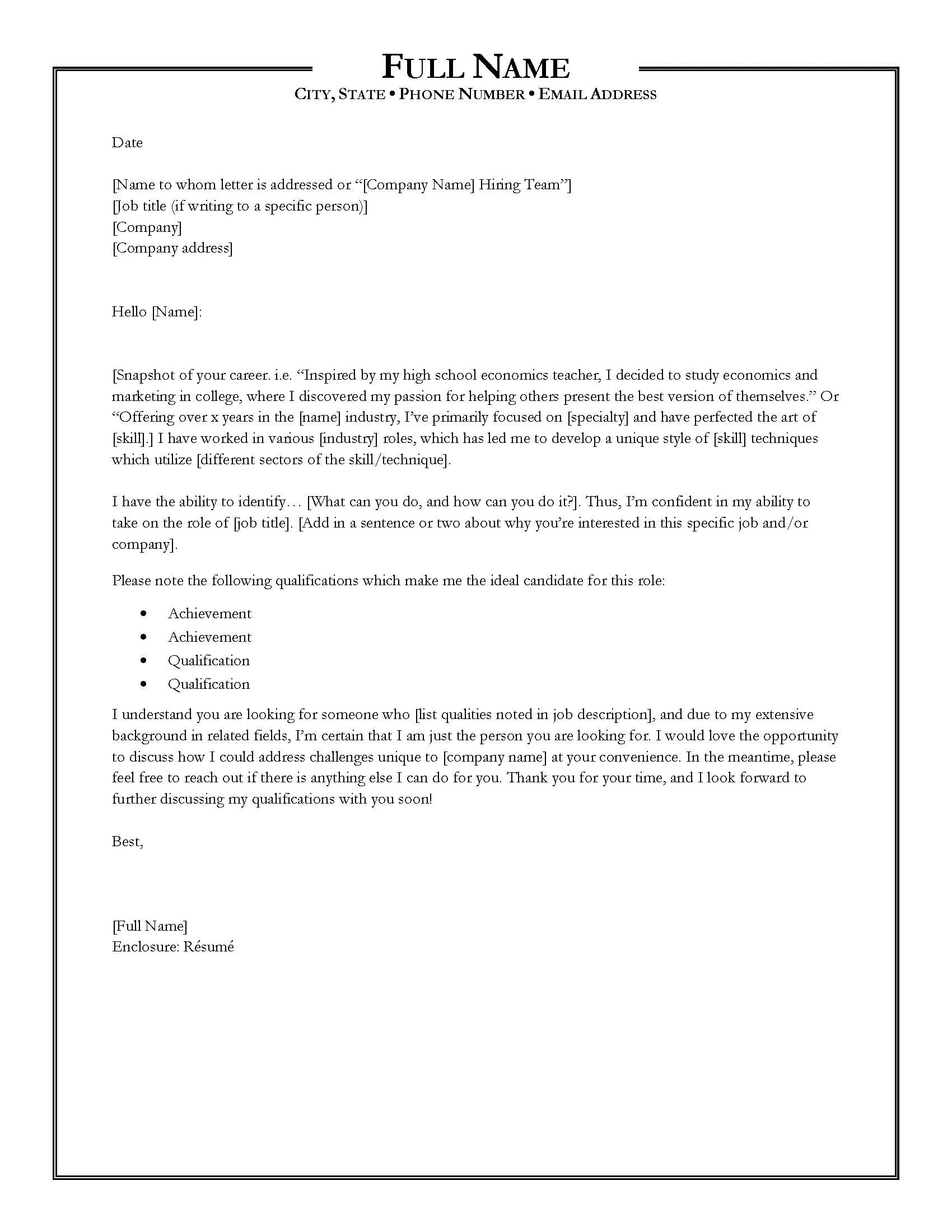
Cover Letter Secrets
Crafting the perfect cover letter is a crucial step in any job application process. It’s your first opportunity to make a strong impression on a potential employer and showcase why you are the ideal candidate for the position. Unlike a resume, which provides a factual overview of your experience, a cover letter allows you to tell your story and demonstrate your personality. This guide reveals the top 7 secrets to help you create a cover letter that grabs attention, highlights your value, and ultimately, lands you an interview. By incorporating these key strategies, you can significantly increase your chances of success in today’s competitive job market. Remember, a well-written cover letter is not just a formality; it’s a powerful tool for achieving your career goals and standing out from the crowd.
Highlight Your Skills
Your cover letter should prominently feature the skills that align with the job requirements. Carefully review the job description and identify the key skills the employer is seeking. Then, in your cover letter, provide specific examples of how you have utilized these skills in past roles. For instance, if the job description emphasizes project management skills, describe a project you managed, detailing your role, the challenges you overcame, and the successful outcomes. This shows the employer that you not only possess the skills but also have a proven track record of applying them effectively. Using action verbs to describe your accomplishments makes your statements more impactful and shows your capabilities. Tailor your skills section to match each job application, ensuring that you’re highlighting the most relevant attributes for that particular role.
Quantify Your Achievements

Instead of merely listing your responsibilities, use your cover letter to quantify your achievements whenever possible. This means providing specific numbers, percentages, or data to demonstrate the impact you made in previous roles. For example, rather than saying you “increased sales,” state that you “increased sales by 15% within one year.” Quantifiable achievements add credibility to your claims and provide concrete evidence of your capabilities. Consider using metrics like revenue generated, cost savings achieved, projects completed on time and within budget, or customer satisfaction scores improved. This data-driven approach enables the employer to quickly grasp the value you can bring to their organization. Be sure to include these facts in your cover letter for maximum impact, showing you can drive real results.
Customize for Each Job
A generic cover letter is a surefire way to get your application overlooked. Tailoring your cover letter to each specific job is absolutely essential. This shows the employer that you have taken the time to understand their needs and are genuinely interested in the position. Start by carefully reading the job description and identifying the key requirements and keywords. Then, customize your cover letter to address these specific points. Highlight the skills, experience, and accomplishments that align with the job requirements. Show how your qualifications and career goals match what the company is seeking. Mention the company by name and, if possible, reference something specific about their work or values that resonates with you. Personalizing your cover letter demonstrates your attention to detail and dedication to the role.
Research the Company
Before you start writing your cover letter, take the time to research the company and understand its mission, values, and recent developments. This research will help you tailor your cover letter to the specific needs and culture of the organization. Visit their website, read news articles, and explore their social media presence to gather information. Demonstrate your knowledge of the company by mentioning specific projects, products, or initiatives that interest you. Show that you understand their goals and how your skills and experience can contribute to their success. This level of preparation demonstrates genuine interest and allows you to make a stronger connection with the employer. Your cover letter will immediately stand out when you’ve done your homework.
Show, Don’t Tell

Rather than simply stating that you possess certain qualities, such as being a strong leader or a great problem-solver, demonstrate these qualities through specific examples. Use your cover letter to tell stories about your past experiences, highlighting how you’ve applied these skills in real-world situations. Instead of saying “I am a good communicator,” describe a time when you successfully presented to a large audience or resolved a conflict through effective communication. If you want to show that you are a leader, provide an example of a team you led, the challenges you faced, and the successful outcomes you achieved. This approach brings your skills and experience to life and leaves a lasting impression on the employer. Showing them your skills is much more effective than just stating them.
Proofread Meticulously
Typos, grammatical errors, and formatting mistakes can undermine the impact of your cover letter and create a negative impression. Before submitting your cover letter, proofread it carefully for any errors. Read it aloud to catch any awkward phrasing or sentence structure issues. Ask a friend, family member, or career counselor to review your cover letter for a fresh perspective. Pay close attention to spelling, punctuation, grammar, and the overall flow of your writing. Check that your contact information is accurate and up-to-date. A well-proofread cover letter demonstrates your attention to detail and professionalism, showing that you care about making a positive first impression.
Follow Formatting Guidelines
Pay close attention to the formatting guidelines of the company or the job posting. Use a professional font, such as Times New Roman, Arial, or Calibri, and maintain a consistent font size. Keep your cover letter concise and easy to read, typically limiting it to one page. Use clear headings, subheadings, and bullet points to organize your information. Ensure that the margins are consistent and the spacing is appropriate. If the job posting provides specific instructions for formatting, follow them precisely. A well-formatted cover letter demonstrates that you are detail-oriented and respectful of the employer’s preferences.
Craft a Compelling Opening

The opening of your cover letter is your chance to grab the reader’s attention and make them want to learn more. Avoid generic openings like “I am writing to express my interest.” Instead, craft an opening that is engaging and relevant to the job. You can start with a brief statement about why you are excited about the position, a compelling accomplishment that showcases your value, or a specific skill that aligns with the job requirements. Clearly state the position you are applying for and where you found the job posting. The opening paragraph should hook the reader and encourage them to continue reading. The first few sentences should immediately highlight your key qualifications and convey your enthusiasm for the opportunity. Make your cover letter a page-turner from the very beginning.
Emphasize Your Value
Throughout your cover letter, emphasize the value you bring to the table. Clearly articulate how your skills, experience, and accomplishments align with the needs of the employer. Explain how you can contribute to their success and solve their problems. Focus on the benefits you can offer, rather than simply listing your responsibilities. Whenever possible, connect your experience to the specific requirements outlined in the job description. Think about what the employer is looking for and highlight how you meet those needs. Show them what you can do for their business, and make a strong case for why they should choose you over other candidates. Every sentence should add value and showcase your unique qualifications.
End With a Strong Call to Action
Conclude your cover letter with a strong call to action, encouraging the employer to take the next step. Express your enthusiasm for the position and reiterate your interest. Thank the employer for their time and consideration. Clearly state your availability for an interview and provide your contact information again. Make it easy for the employer to reach out to you. Avoid generic closing statements such as “Thank you for your time.” Instead, express your anticipation for the opportunity to discuss your qualifications further. A well-crafted call to action ensures that the employer knows what to expect next and encourages them to move forward with your application. End your cover letter with a clear and confident statement.