Crafting a Winning Cover Letter
A cover letter is your first opportunity to make a lasting impression on a potential employer. It’s more than just a formality; it’s a crucial tool that can significantly increase your chances of landing an interview. A well-crafted cover letter complements your resume, providing a personalized narrative that highlights your qualifications, enthusiasm, and suitability for the specific role. In a competitive job market, mastering the art of cover letter writing is essential for standing out from the crowd. By understanding the core principles and secrets of a winning cover letter, you can transform your job application into a compelling story that captures the attention of hiring managers and persuades them to consider your application more closely.
Understanding the Purpose of a Cover Letter
The primary purpose of a cover letter is to introduce you to the hiring manager and to make a case for why you are a strong candidate for the position. It’s a chance to articulate your unique value proposition – what you can bring to the company that other applicants cannot. The cover letter should demonstrate your understanding of the role, your enthusiasm for the opportunity, and your genuine interest in the organization. It allows you to go beyond the bullet points of your resume and elaborate on your skills, experiences, and career goals in a way that resonates with the employer’s needs. A well-written cover letter should be viewed as your personal sales pitch, designed to convince the reader to delve deeper into your qualifications.
Highlighting Your Skills and Experiences

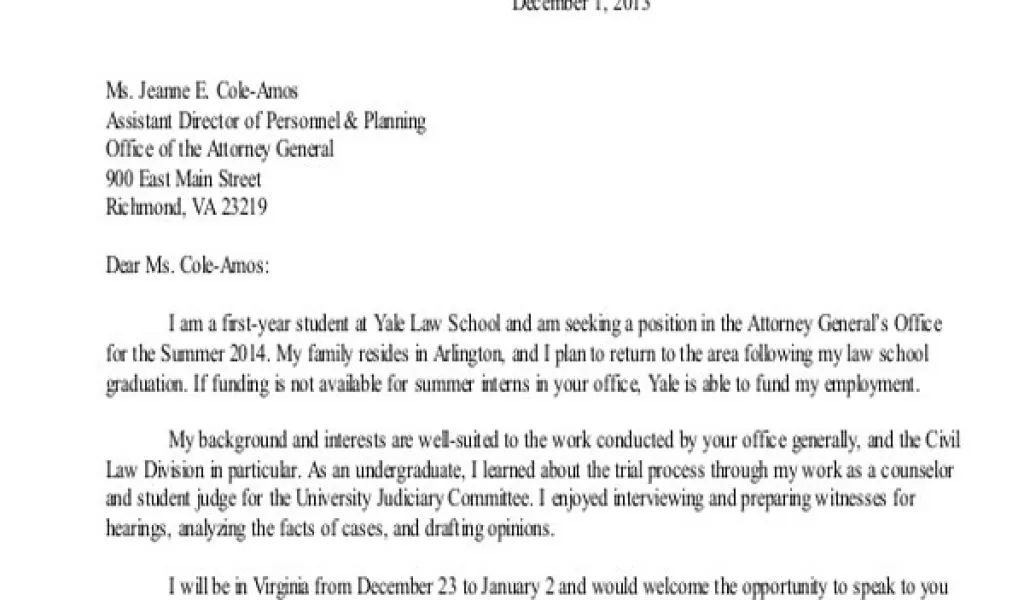
Your cover letter should showcase the skills and experiences that are most relevant to the job requirements. Review the job description carefully and identify the key skills and qualifications the employer is seeking. Then, highlight your achievements in a way that directly aligns with these requirements. Use specific examples to illustrate how you’ve successfully applied these skills in past roles or projects. Quantify your achievements whenever possible by including numbers, percentages, or other metrics that demonstrate the impact of your work. Frame your experiences in a way that demonstrates you not only possess the necessary skills, but also the ability to apply them effectively to contribute to the organization’s success. Cover letter university sample helps students to understand this section.
Tailoring Your Cover Letter
A generic cover letter is easily recognizable and often fails to make a strong impression. To truly stand out, you must tailor each cover letter to the specific job and company you are applying for. This means researching the organization, understanding its values and mission, and addressing the specific requirements outlined in the job description. Personalize your letter by mentioning the hiring manager’s name (if you know it) and referencing specific aspects of the company or role that appeal to you. By demonstrating that you’ve taken the time to understand the opportunity and the organization, you can show your genuine interest and increase your chances of getting noticed.
Cover Letter Structure
A well-structured cover letter is easy to read and effectively conveys your message. Follow a standard format that includes a clear and concise introduction, body paragraphs, and a strong conclusion. Ensure that each section serves a specific purpose and contributes to the overall narrative. Proper formatting not only demonstrates professionalism, but also helps the hiring manager quickly grasp your key qualifications and understand why you’re a good fit for the role. A logical flow of information will guide the reader through your application, making it more engaging and memorable.
Contact Information

Start your cover letter with your contact information, including your name, address, phone number, and email address. Ensure that your email address is professional and easy to read. It is standard practice to include the date and the recipient’s contact information (name, title, company, and address) below your information. Correct and complete contact information is essential for the employer to easily reach you. Ensure that your contact information is accurate and up-to-date to avoid missed opportunities.
The Introductory Paragraph
The introductory paragraph is your chance to grab the reader’s attention and make a strong first impression. Clearly state the position you are applying for and briefly mention where you saw the job posting. In one or two sentences, provide a compelling overview of your key qualifications and express your enthusiasm for the opportunity. Consider including a brief statement that highlights what attracted you to the company or the role. Aim to make your opening engaging and show the employer why they should read on.
Body Paragraphs
The body paragraphs are where you elaborate on your skills, experiences, and accomplishments. Use these paragraphs to connect your qualifications to the requirements of the job. Provide specific examples that demonstrate how you have successfully applied your skills in the past. Quantify your achievements whenever possible to show the impact of your work. Focus on the information most relevant to the position, and demonstrate how your skills and experiences align with the company’s needs and goals. The body paragraphs should be a balanced blend of your accomplishments and how those achievements translate into value for the employer.
The Closing Paragraph

Conclude your cover letter by reiterating your interest in the position and expressing your enthusiasm for the opportunity. Reiterate your key qualifications and thank the hiring manager for their time and consideration. Include a call to action, such as a statement about your availability for an interview. Always end your cover letter with a professional closing, such as “Sincerely” or “Best regards,” followed by your name.
Formatting and Design Tips
Proper formatting and design are crucial for making your cover letter visually appealing and easy to read. A well-formatted cover letter demonstrates professionalism and attention to detail, increasing your chances of capturing the hiring manager’s attention. Pay close attention to the layout, font, spacing, and overall design to ensure your message is clear and engaging. Remember, you want to create a document that is not only informative but also visually appealing.
Font and Style
Choose a professional and easy-to-read font, such as Times New Roman, Arial, or Calibri. Stick to a font size between 10 and 12 points. Use consistent formatting throughout your cover letter, including consistent font sizes, spacing, and indentation. Ensure your cover letter looks clean and well-organized to create a positive impression. A simple, professional font style will make your cover letter more accessible and showcase your attention to detail.
Length and Layout

Keep your cover letter concise and typically no longer than one page. Use single spacing and leave ample white space around the margins and between paragraphs. Use bullet points to highlight key accomplishments and make your content more readable. A well-formatted and brief cover letter ensures that the hiring manager can easily understand your key qualifications at a glance.
Cover Letter Examples
Reviewing cover letter examples can be extremely helpful in understanding best practices and tailoring your own letter to different situations. Sample cover letters serve as a valuable guide for job seekers, providing templates that you can adapt to fit your own skills, experiences, and the specific job you are applying for. These examples provide a clear structure and demonstrate how to effectively highlight your qualifications and express your interest in the position.
Cover Letter Sample for Freshers
For freshers with limited professional experience, the focus of your cover letter should be on your academic achievements, relevant coursework, internships, and extracurricular activities. Highlight any projects or initiatives that demonstrate your skills and abilities. Showcase your enthusiasm for the opportunity and your eagerness to learn and grow. Emphasize your transferable skills, such as communication, teamwork, and problem-solving. Show how your education and experiences have prepared you for the role and illustrate your potential.
Cover Letter Sample for Experienced Professionals

Experienced professionals should focus on their past accomplishments and the value they have brought to previous employers. Quantify your achievements with specific results and data. Highlight relevant skills and expertise directly related to the job requirements. Demonstrate your understanding of the industry and the company’s needs. Provide specific examples of how you have solved problems, led teams, and achieved significant results. Showcase your career progression and the impact you have made in your previous roles.
Cover Letter Mistakes to Avoid
Avoiding common cover letter mistakes can significantly improve the effectiveness of your application. Review your cover letter carefully to ensure that you have not made any of the following errors. Paying attention to these details can help you create a strong and polished cover letter that will capture the hiring manager’s attention and increase your chances of getting hired. Always take the time to review and edit the letter to present your best self.
Grammar and Spelling Errors
Grammar and spelling errors can immediately undermine your credibility. Proofread your cover letter carefully to ensure that it is free of errors. Use spell-check and grammar-check tools, but also consider having a friend or colleague review your letter. Even a single mistake can create a negative impression and potentially lead to your application being rejected. Pay close attention to details and make sure your writing is polished and professional.
Generic Cover Letters

Sending a generic cover letter without tailoring it to the specific job and company is a major mistake. Take the time to research the company and the role, and customize your letter to demonstrate your genuine interest and qualifications. Show the employer that you understand their needs and explain how your skills and experiences align with their requirements. Generic cover letters indicate a lack of effort and can be an immediate turn-off for hiring managers.
Failure to Proofread
Failing to proofread your cover letter is a serious mistake. Typos and grammatical errors suggest carelessness and a lack of attention to detail. Always proofread your letter multiple times, and consider asking someone else to review it as well. Proofreading ensures that your message is clear, professional, and free of errors. A polished cover letter gives the impression that you value quality and attention to detail.
Final Thoughts
Writing a winning cover letter is an essential skill for any job seeker. By following the secrets and guidelines outlined in this guide, you can create a compelling cover letter that will capture the attention of hiring managers and increase your chances of landing an interview. Remember to tailor your cover letter to each specific job, highlight your relevant skills and experiences, and ensure that your letter is free of errors. Take the time and effort to craft a strong cover letter and show the employer that you are the right candidate for the job. Good luck with your job search.