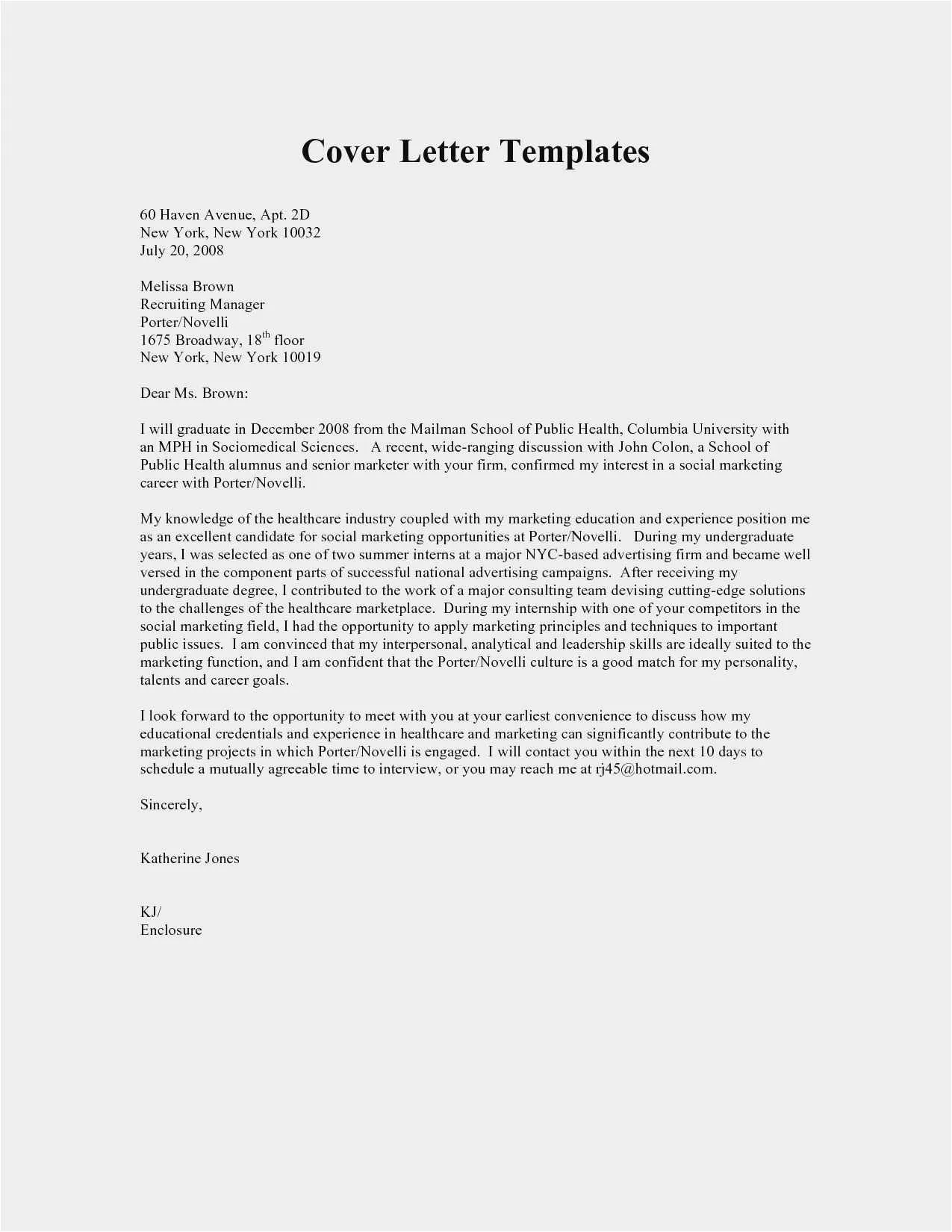
Understanding the Power of a Teaching Cover Letter
A teaching cover letter is more than just a formality; it’s your first impression, your voice, and your opportunity to stand out from the crowd. In a competitive job market, a well-crafted cover letter can be the deciding factor in whether you land an interview or get passed over. It allows you to showcase your personality, passion for teaching, and unique qualifications in a way that a resume alone cannot. Your cover letter acts as your personal sales pitch, selling yourself and your skills to a potential employer, highlighting your enthusiasm for the role and demonstrating your understanding of the school’s needs and values. This vital document is your chance to make a memorable first impression and persuade the hiring committee to delve deeper into your application.
Key Components of a Successful Cover Letter
A successful teaching cover letter comprises several key components working in harmony to present a compelling case for your candidacy. Each section plays a crucial role in conveying your qualifications, passion, and suitability for the position. From a professional header to a strong closing, every element must be carefully considered and expertly crafted to ensure your application stands out. This section will break down each component and explain how to incorporate them effectively.
Header and Contact Information

Start with a professional header that includes your full name, address, phone number, and professional email address. Ensure this information is accurate and easy to read. Consider using a standard font and a simple layout. It is important to include the date and the recipient’s information (the hiring manager’s name, if available, and the school’s name and address). This immediately establishes professionalism and allows the hiring team to easily contact you. A polished header is the first step in making a positive impression.
Personalized Salutation
Always address your cover letter to a specific person, if possible. Research the school’s website or LinkedIn to find the hiring manager’s name. A personalized salutation, like “Dear Mr./Ms. [Last Name],” demonstrates that you’ve taken the time to research the school and pay attention to detail. If you can’t find a specific name, use a professional greeting such as “Dear Hiring Committee” or “Dear Principal.” Avoid generic greetings like “To Whom It May Concern,” as they lack personal touch and make your application feel less tailored.
Opening Paragraph
Your opening paragraph is your chance to immediately grab the reader’s attention. Clearly state the position you’re applying for and where you saw the job posting. Then, briefly highlight your most relevant skills and experience. This section should be concise yet impactful, making the reader want to learn more. Consider mentioning something specific that drew you to the school or the position, demonstrating genuine interest. For example, mention a program or initiative that aligns with your teaching philosophy. The aim is to make a strong initial impression, setting the tone for the rest of the letter.
Highlighting Your Teaching Skills and Experience
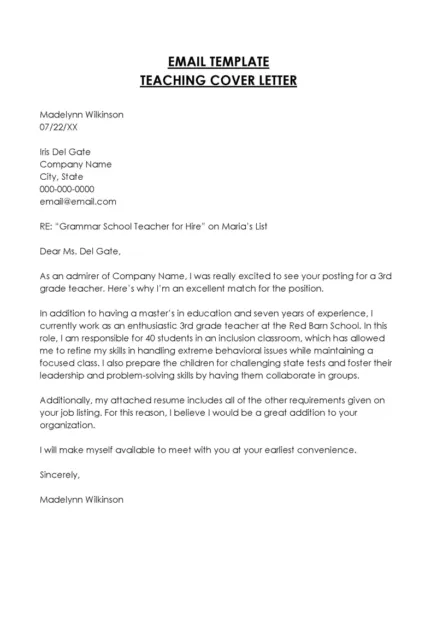
The body of your cover letter should focus on highlighting your teaching skills and experience. This is where you demonstrate how your qualifications align with the job requirements. Use specific examples to showcase your achievements and illustrate your ability to make a difference in the classroom. Provide evidence of your effectiveness, such as student test scores, awards, or positive feedback. Always tailor your examples to match the school’s specific needs and the job description’s requirements. This is an opportunity to highlight your unique strengths and prove you are the ideal candidate.
Showcasing Relevant Experience
Detail your relevant teaching experience, whether it’s from student teaching, previous positions, or volunteer work. Focus on the responsibilities and accomplishments that align with the job description. For each experience, provide a brief overview of your role, the grade level you taught, and the subject matter. Mention specific initiatives you spearheaded or any unique contributions you made. Emphasize the impact you had on student learning and the school community. Quantify your achievements whenever possible by using numbers and data to showcase your effectiveness.
Emphasizing Skills and Qualifications
Highlight your key skills and qualifications that make you a strong candidate. These can include classroom management, curriculum development, lesson planning, differentiated instruction, and use of technology in the classroom. Provide specific examples of how you’ve applied these skills in practice. Tailor your skills to match the job description’s requirements. If the school emphasizes collaborative learning, provide an example of a successful collaborative project you led. Use action verbs to describe your skills and abilities. For example, “Developed and implemented engaging lesson plans” is more effective than just listing your skills.
Quantifying Achievements

Whenever possible, quantify your achievements to demonstrate your impact. Use numbers, percentages, and data to support your claims. For example, instead of saying “Improved student engagement,” you could say “Increased student engagement by 20% through the implementation of interactive classroom activities.” This provides concrete evidence of your effectiveness and makes your achievements more compelling. Consider including data on student performance, classroom management, or any other relevant metrics. Quantifying your achievements adds credibility and strengthens your cover letter.
Demonstrating Passion and Enthusiasm
Your cover letter is an opportunity to showcase your passion and enthusiasm for teaching. This is where you express your genuine interest in the school, the students, and the subject matter. A passionate and enthusiastic tone can make a strong impression, setting you apart from other applicants. Use your cover letter to convey your love of teaching and your dedication to student success. This can be done by explaining what excites you about teaching.
Expressing Genuine Interest in the School
Demonstrate that you’ve researched the school and understand its mission, values, and goals. Mention specific programs, initiatives, or values that resonate with you and explain why you want to be a part of the school community. Show your knowledge of the school’s culture and what makes it unique. Refer to the school’s website, social media, or any other information you can find. Mentioning something specific, like a particular program or a school event, demonstrates that you’ve taken the time to learn about the school. This shows that you are genuinely interested and invested in the opportunity.
Sharing Your Teaching Philosophy

Briefly share your teaching philosophy and how it aligns with the school’s approach. Describe your beliefs about education, your teaching methods, and your goals for student success. Show how you create a positive and engaging learning environment. Give examples of how you incorporate your teaching philosophy into your lessons and interactions with students. Mention any specific instructional strategies, such as differentiated instruction or project-based learning, that you use. This helps the hiring committee understand your educational values and how you approach teaching.
Closing the Cover Letter
Your closing paragraph should reiterate your interest in the position and school. It is the final chance to leave a lasting impression. Always include a call to action, encouraging the reader to contact you for an interview. A strong close reinforces your enthusiasm and makes it clear that you’re eager to move forward in the hiring process.
Reiterating Your Interest
Summarize your key qualifications and reiterate your interest in the position and the school. Briefly mention why you believe you are a good fit for the role and how you can contribute to the school’s success. Express your enthusiasm and confidence in your ability to excel in the position. This section should leave the reader with a clear understanding of why you are the ideal candidate.
Call to Action

End with a clear call to action. Express your eagerness for an interview and provide your contact information again. Thank the reader for their time and consideration. Make it easy for them to contact you by providing your phone number and email address. A strong call to action encourages them to take the next step and consider you for the position.
Proofreading and Formatting
Before submitting your cover letter, meticulously proofread it for any grammatical errors, typos, or formatting issues. A polished and professional cover letter demonstrates your attention to detail. Use a professional font, maintain consistent formatting, and ensure the letter is easy to read. Have someone else review your cover letter for accuracy. Errors can undermine your credibility and could prevent your application from receiving serious consideration. The overall presentation should be clean, clear, and aligned with professional standards.
In conclusion, a well-crafted cover letter is essential for landing a teaching job. By following these secrets, you can create a compelling cover letter that highlights your skills, experience, and passion for teaching, setting you apart from the competition. Remember to tailor each cover letter to the specific school and position. Good luck!