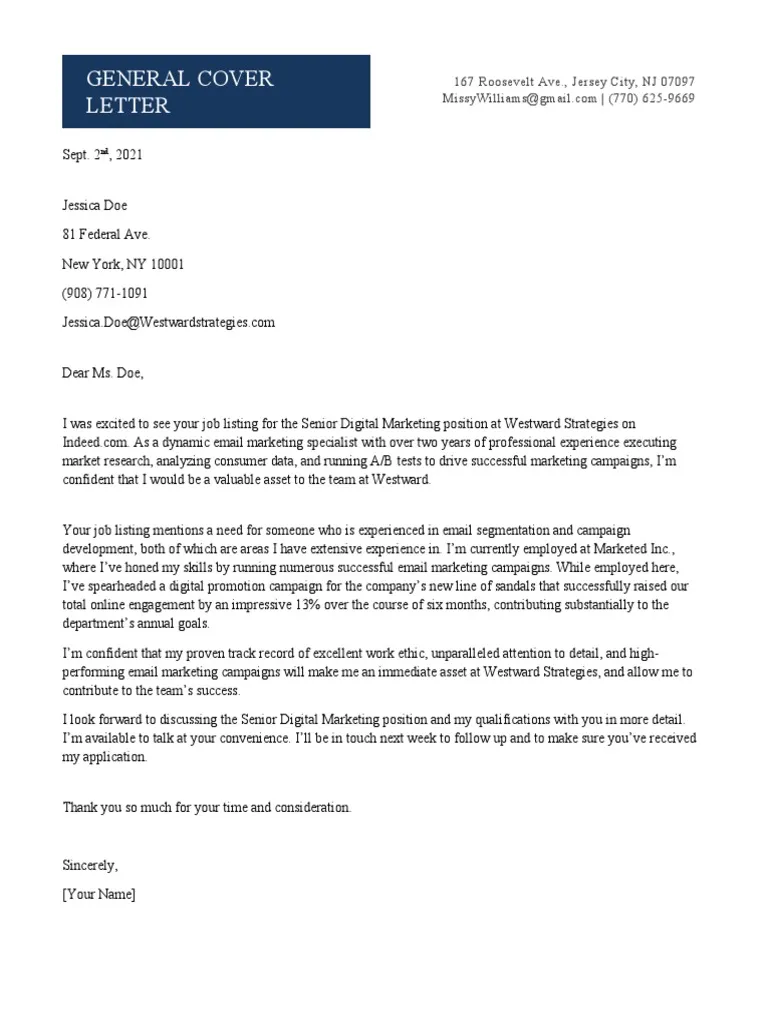
Crafting a Cover Letter that Shines
A cover letter is your first impression a critical opportunity to showcase your personality and qualifications to a potential employer. It’s not just a formality it’s a chance to make a memorable impact. By understanding the core principles of a well-crafted cover letter, you can significantly increase your chances of landing an interview. This guide dives deep into the secrets of creating a cover letter that not only grabs attention but also effectively communicates your value proposition to the hiring manager. Mastering these techniques is essential in today’s competitive job market, where every detail can make a difference. The goal is to go beyond simply stating your qualifications; it’s about demonstrating your understanding of the role and the company, and expressing your genuine enthusiasm for the opportunity.
Understanding the Purpose of a Cover Letter
The primary purpose of a cover letter is to introduce yourself, highlight your relevant skills and experiences, and express your interest in a specific job. It serves as a personalized introduction that complements your resume, allowing you to elaborate on your qualifications and explain why you’re a perfect fit for the role. A strong cover letter showcases your personality and communication skills. It provides context to your resume, helping the hiring manager understand how your past experiences align with the current job requirements and company culture. This is also where you make your initial impression of why you are the best candidate for the job.
Highlighting Your Skills and Experiences

Your cover letter should highlight the skills and experiences that directly relate to the job description. Focus on the achievements and responsibilities that align with the employer’s needs. Instead of simply listing your duties, use the STAR method (Situation, Task, Action, Result) to provide concrete examples of your accomplishments. This approach not only demonstrates your capabilities but also quantifies your successes whenever possible. By framing your skills and experiences in terms of the benefits you brought to previous employers, you make a compelling case for why you’re the ideal candidate. Tailor your skills and experience to meet the job requirements. Research the company and job requirements to see what skills and experiences are needed and ensure you include them in your cover letter to improve your chances of getting hired.
Tailoring Your Cover Letter to the Job
Generic cover letters are easily spotted and often discarded. To impress, you must tailor each cover letter to the specific job and company. This demonstrates that you’ve taken the time to understand the role and the organization. Customize your letter by referencing the job description, highlighting the keywords, and explaining how your skills and experiences align with the requirements. It shows your genuine interest in the opportunity. Customize your cover letter for each job. Tailor it to the specific job requirements and show that you have researched the company. This is a key step to ensuring your application is noticed. If it is a generic cover letter, it might be discarded.
Researching the Company and Its Culture
Before you start writing, research the company to understand its mission, values, and recent activities. This information will help you tailor your letter to align with the company’s culture and demonstrate your interest in their specific goals. Understanding the company’s culture is as important as understanding the job description. Look into the company’s website, social media profiles, and news articles to gather as much information as possible. Using your findings, you can incorporate relevant details into your cover letter to show you are a good fit for the company.
Using Keywords from the Job Description

Carefully review the job description and identify the keywords used to describe the required skills and qualifications. Then, strategically incorporate these keywords into your cover letter. This helps your application get noticed by applicant tracking systems (ATS) and demonstrates that you possess the skills the employer is looking for. However, avoid keyword stuffing. The goal is to integrate keywords naturally, ensuring that your letter remains easy to read and engaging.
The Art of the Opening Paragraph
The opening paragraph is your first chance to capture the reader’s attention. It should be concise, compelling, and clearly state the position you’re applying for. Avoid generic openings; instead, aim to make a strong statement about why you’re the ideal candidate. The opening sets the tone for the entire letter. A well-crafted opening can immediately pique the reader’s interest, encouraging them to continue reading and learn more about you. Your opening paragraph needs to be specific, addressing the hiring manager directly.
Grabbing Attention Immediately
To grab the hiring manager’s attention, start with a hook that highlights your key qualifications or expresses your enthusiasm for the opportunity. This could be a brief statement about your relevant experience, a notable achievement, or a shared connection with the company. The goal is to quickly convey why you’re a strong applicant and make the reader want to learn more. Start with a strong sentence to grab the reader’s attention. For example, you can mention an achievement or a connection with the company that will make the reader want to keep reading and learn more about you.
Why a Strong First Sentence Matters

The first sentence of your cover letter sets the tone for the entire document. It should clearly state the position you are applying for and briefly explain why you are a suitable candidate. The first sentence is your elevator pitch. A strong first sentence will grab the reader’s attention and encourage them to continue reading, which is crucial in making a positive first impression. Make it concise and make a great first impression.
Body Paragraphs that Convert
The body paragraphs of your cover letter should provide detailed information about your skills, experiences, and accomplishments. Use this section to showcase your relevant qualifications, providing specific examples that demonstrate your ability to succeed in the role. Each paragraph should focus on a specific point and support it with evidence. Be sure to tailor your content to the job description, highlighting how your skills and experiences align with the company’s needs. This part of your cover letter is to sell yourself. The body paragraphs will give detailed information about you as a candidate, including your skills, experiences, and achievements.
Show Don’t Tell in Your Cover Letter
Avoid simply listing your skills; instead, demonstrate them through specific examples. Use the STAR method to illustrate your abilities by describing the Situation, Task, Action, and Result. This approach provides concrete evidence of your accomplishments and shows how you’ve made a positive impact in previous roles. Showing, rather than telling, helps the hiring manager better understand your capabilities and how you can contribute to their team.
Quantifying Your Achievements

Whenever possible, quantify your achievements with numbers and data. For example, instead of saying you “increased sales,” state that you “increased sales by 15% within six months.” This provides tangible evidence of your impact and allows the hiring manager to assess your capabilities more effectively. Quantifiable results demonstrate your value and make your cover letter more compelling.
Choosing the Right Tone and Voice
Your cover letter should have a professional yet personable tone that reflects your personality and enthusiasm for the role. The tone should be appropriate for the industry and company culture. Maintain a balance between formal and conversational language to ensure your letter is engaging and easy to read. You want to sound professional while also expressing your excitement and passion for the opportunity.
The Power of a Compelling Closing
The closing paragraph is your final opportunity to leave a lasting impression. Reiterate your interest in the position, express your enthusiasm, and clearly state your intention to follow up. A strong closing reinforces your qualifications and reinforces your eagerness to join the company. The closing is to express your enthusiasm. Be sure to reiterate your interest and give contact information.
Reiterating Your Interest and Enthusiasm

In your closing paragraph, reiterate your interest in the position and express your enthusiasm for the opportunity. Reiterate why you’re a good fit for the role and what you bring to the table. This ensures that the hiring manager remembers your key qualifications and your genuine interest in the company. Make sure to reiterate your interest and enthusiasm for the job.
Providing Clear Contact Information
Ensure that your closing paragraph includes clear contact information. Provide your email address and phone number so the hiring manager can easily reach you. This makes it easy for them to schedule an interview or ask any questions. Always verify that your contact information is correct and up-to-date.
Formatting and Presentation
A well-formatted cover letter demonstrates professionalism and attention to detail. Proper formatting makes your letter easy to read and visually appealing, which helps the reader focus on your content. Pay close attention to the layout, font, and spacing to ensure your cover letter is polished and professional. You can easily grab the readers attention with the formatting.
Choosing the Right Font and Font Size

Select a professional and easy-to-read font such as Arial, Times New Roman, or Calibri. Use a font size of 11 or 12 points to ensure readability. Avoid using overly decorative or difficult-to-read fonts. Make sure the font size is readable.
Ensuring Proper Grammar and Spelling
Always proofread your cover letter for any grammatical errors or typos. Errors can undermine your credibility and make a negative impression. Use a grammar checker, and consider having someone else review your letter. Correct grammar and spelling show that you pay attention to detail and have good communication skills. Always check for errors before sending.
Proofreading and Editing Your Cover Letter
Before submitting your cover letter, carefully proofread and edit it. Check for clarity, conciseness, and accuracy. Make sure the letter flows well and that your message is easy to understand. Having another person review your cover letter can help catch errors you may have missed. Always proofread your cover letter before you send it.
Cover Letter Mistakes to Avoid
Several common mistakes can significantly hurt your chances of getting an interview. Being aware of these pitfalls can help you ensure your cover letter is effective and professional. Avoiding these mistakes is crucial to making a positive impression on hiring managers. Some mistakes can hurt your chances of getting hired.
Generic Cover Letters
Avoid using generic cover letters that are not tailored to the specific job. Generic letters show a lack of interest in the position and can give the impression that you are applying for many jobs without truly caring about each opportunity. Always tailor your cover letter to the specific job. A generic letter can show a lack of interest and should be avoided.
Typos and Grammatical Errors
Typos and grammatical errors can damage your credibility and make a negative impression. Always proofread your cover letter multiple times and use a grammar checker. Errors can indicate a lack of attention to detail. Always check for typos and grammatical errors.
Not Customizing to the Role
Failing to customize your cover letter to the specific job description and company demonstrates a lack of interest. Take the time to research the company and highlight how your skills and experiences align with the job requirements. Customizing shows that you care about the job and have researched the company. Customizing your cover letter is a must to get noticed.
Making a Lasting Impression
A well-crafted cover letter is a powerful tool in your job search arsenal. By following these guidelines and avoiding common mistakes, you can create a cover letter that grabs attention, highlights your qualifications, and increases your chances of landing an interview. Remember that your cover letter is more than just a document; it’s an opportunity to tell your story and demonstrate your value to potential employers. A cover letter can make a lasting impression.