Cover Letter Secrets Unveiled
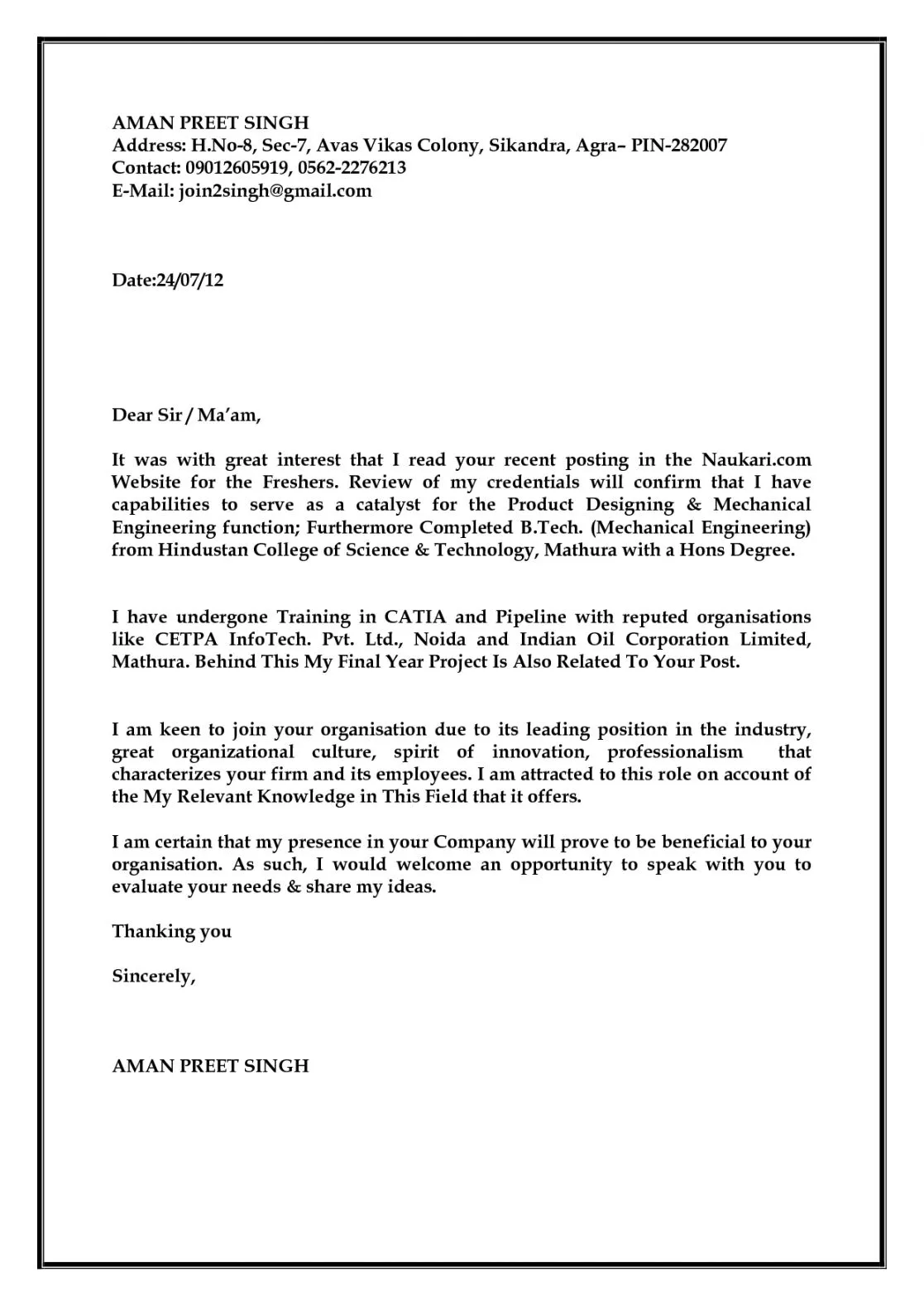
In the competitive world of job hunting, a well-crafted cover letter can be your secret weapon. It’s your opportunity to make a strong first impression, highlight your key skills, and demonstrate your genuine interest in the position and the company. While resumes provide a snapshot of your qualifications, cover letters offer a narrative – a chance to tell your story and connect with the hiring manager on a more personal level. This article will unveil the secrets to writing a cover letter that not only gets noticed but also secures you an interview, ultimately helping you get hired. We will explore the essential components, formatting tips, and strategic approaches needed to create a compelling cover letter that sets you apart from the competition.
Why Cover Letters Matter
Many job seekers question the necessity of a cover letter in the digital age, with the convenience of online applications and the prominence of resumes. However, a cover letter remains a vital tool for several compelling reasons. First and foremost, it provides context for your resume. It allows you to elaborate on your qualifications, explain any gaps in your employment history, and connect your skills and experiences directly to the specific requirements of the job. Furthermore, a well-written cover letter demonstrates your communication skills, your attention to detail, and your enthusiasm for the opportunity. It’s a chance to showcase your personality and to express your genuine interest in the company, setting you apart from applicants who may only submit a resume. In essence, the cover letter is your personal introduction to the hiring manager, making it an essential part of your job application.
The Purpose of a Cover Letter

The primary purpose of a cover letter is to introduce yourself and your qualifications to a potential employer. It serves as a bridge between your resume and the hiring manager, providing additional context and highlighting the most relevant aspects of your experience. The cover letter should clearly state the position you are applying for and explain why you are a strong fit for the role. It should also showcase your understanding of the company, its values, and its mission. By demonstrating your knowledge and enthusiasm, you can make a positive first impression and encourage the hiring manager to delve deeper into your qualifications by reviewing your resume. Ultimately, the goal is to persuade the reader to invite you for an interview, bringing you one step closer to landing your dream job.
Key Components of a Cover Letter
A well-structured cover letter comprises several key components, each contributing to its overall effectiveness. These components work together to create a compelling narrative that captures the reader’s attention. From the header, greeting, and opening paragraph to the body paragraphs and closing, each element plays a crucial role in showcasing your skills, experience, and enthusiasm for the role. Omitting or neglecting any of these sections can weaken your application. The following sections offer detailed guidelines on how to perfect each of these components, ensuring that your cover letter is polished, professional, and capable of making a strong impression.
Header Essentials Contact Information
The header of your cover letter should include your full name, contact information, and the date. Start with your name, and it is wise to use the same name on your resume. Beneath your name, provide your phone number, email address, and optionally, your LinkedIn profile URL or personal website. This information ensures that the hiring manager can easily contact you. Always double-check your contact information for accuracy to avoid any potential miscommunications. The date should follow the name and contact information, which should be the date you are sending the letter. The header sets a professional tone and makes it simple for the reader to get in touch if they wish to proceed with your application.
Formatting Your Header Correctly

Proper formatting of your header is essential for a polished and professional appearance. Use a clear, readable font, such as Arial or Times New Roman, and maintain consistent formatting throughout the document. The header should be left-aligned or centered, depending on your preference, and should be neatly spaced to avoid a cluttered look. Use a standard font size (10-12 points) for easy readability. Ensure your contact information is current and accurate. Avoid using creative or unconventional fonts or formatting styles in the header, as these can detract from the overall professionalism of your cover letter. Keep the header clean, concise, and easy to scan.
Greeting Strategies for Cover Letters
The greeting sets the tone for your cover letter and should be both professional and engaging. The ideal approach is to address the hiring manager or the specific person in charge of hiring for the role directly. If you can find the name of the hiring manager, use ‘Dear Mr./Ms. [Last Name]’. Researching the hiring manager’s name shows initiative and attention to detail. If you are unable to find a name, a more general greeting, such as ‘Dear Hiring Manager’, is acceptable. However, avoid overly casual greetings or vague greetings like ‘To Whom It May Concern’. The greeting is your first opportunity to make a positive impression, so choose a professional and appropriate approach.
Avoid Generic Greetings
Generic greetings, such as ‘To Whom It May Concern’ or ‘Dear Sir/Madam’, can make your cover letter appear impersonal and less engaging. While these greetings are not inherently wrong, they are less effective than addressing the hiring manager directly. When you use a generic greeting, it can suggest that you haven’t taken the time to research the company or the specific role. Always strive to find the name of the hiring manager. If you’re unable to find a name, consider using ‘Dear Hiring Manager’ or ‘Dear [Department Name] Hiring Team’ to be more specific. Tailoring the greeting to the recipient’s name demonstrates that you have put in the effort to apply and care about this role.
Crafting a Compelling Opening

The opening paragraph is your chance to grab the hiring manager’s attention from the very beginning. Start by clearly stating the position you are applying for and how you learned about the opportunity. Then, use this space to briefly highlight your most relevant skills and experiences. This is where you can create a strong initial impression. Consider starting with a statement that grabs the reader’s attention or shows your understanding of the company’s mission. Keep it concise, enthusiastic, and tailored to the specific job requirements. Your goal is to make the hiring manager want to read more, so ensure the opening makes them want to learn more about your qualifications.
Highlight Your Key Skills and Experiences
The body paragraphs of your cover letter should provide more detailed information about your qualifications and experience. Tailor your cover letter to the specific requirements outlined in the job description. Identify the key skills and experiences that align with the position, and provide examples of how you have demonstrated these skills in the past. Use the STAR method (Situation, Task, Action, Result) to structure your examples and to show the impact of your work. Avoid simply listing your skills; instead, demonstrate how you have used them to achieve specific results. Provide concrete examples and quantify your achievements whenever possible. By connecting your experiences to the requirements of the job, you show the hiring manager that you understand the position and can effectively perform the required tasks.
Tailoring Your Cover Letter to the Job
One of the most critical secrets to cover letter success is tailoring each letter to the specific job you’re applying for. Generic, one-size-fits-all cover letters are easily recognizable and often end up in the rejection pile. Instead, carefully review the job description and identify the keywords, skills, and qualifications that the employer is seeking. Then, highlight the relevant experiences and achievements from your own background. Avoid the temptation to reuse the same cover letter for every application. Customization can increase your chances of getting noticed by demonstrating to the hiring manager that you have the right qualifications. This level of personalization shows that you are genuinely interested in the position and the company, making you a more desirable candidate.
Researching the Company

Before you begin writing your cover letter, research the company thoroughly. Visit their website, read their ‘About Us’ page, and explore their social media profiles. This will give you insights into the company’s values, culture, and recent projects. Understand what the company does, who its competitors are, and what its mission and vision are. Use this information to tailor your cover letter, demonstrating your understanding of the company and its industry. Mention specific projects, initiatives, or values that resonate with you. Showing that you have taken the time to learn about the company demonstrates your genuine interest and increases your chances of making a positive impression.
Matching Your Skills to the Job Description
Carefully analyze the job description and identify the key skills and qualifications the employer is looking for. Make a list of these requirements, and then compare them to your own skills and experiences. Highlight the areas where your skills align with the job requirements. When writing your cover letter, explicitly mention these skills and provide specific examples of how you have demonstrated them in the past. Use the same keywords and phrases from the job description. This will make it easier for the hiring manager to see the match between your qualifications and the job requirements. Demonstrate the direct relevance of your experience to the role. This approach will make your cover letter more persuasive and increase your chances of getting an interview.
Quantifying Your Achievements
Instead of simply listing your responsibilities, use quantifiable data to showcase your achievements. Whenever possible, include specific numbers, percentages, and metrics to demonstrate the impact of your work. Quantifying your accomplishments provides tangible evidence of your skills and abilities, making a stronger impression. For example, instead of saying ‘Managed social media campaigns’, you could say ‘Increased social media engagement by 30% within six months’. Providing specific numbers shows that you achieved results. Using quantifiable data makes your achievements more credible and demonstrates your ability to make a positive contribution to the company. The impact of your accomplishments is always greater when backed up by data.
Showcase Your Accomplishments

Focus on showcasing your accomplishments rather than simply listing your job duties. Use the body of your cover letter to describe your achievements and the impact you made in previous roles. Use the STAR method (Situation, Task, Action, Result) to structure your examples, clearly explaining the situation, the task you were assigned, the actions you took, and the results you achieved. For example, you could highlight a time when you improved efficiency, increased sales, or reduced costs. Providing concrete examples of your accomplishments will demonstrate the value you can bring to the company and make your cover letter more compelling. Avoid general statements; instead, focus on specific accomplishments to impress the hiring manager.
Use Action Verbs to Impress
Action verbs are powerful tools that can make your cover letter more dynamic and engaging. When describing your skills and experiences, use strong action verbs to demonstrate your accomplishments and abilities. Examples of effective action verbs include ‘managed’, ’led’, ‘developed’, ‘implemented’, ‘achieved’, ‘improved’, ‘created’, and ‘increased’. By using action verbs, you create a sense of energy and accomplishment in your writing. They will help bring your experiences to life and make your cover letter more memorable. Action verbs help to show the hiring manager exactly what you have done in previous roles. This adds clarity to the description of your experience and demonstrates your active participation.
The Importance of Proofreading
Proofreading your cover letter is essential. Errors in grammar, spelling, and punctuation can create a negative impression and undermine your credibility. Before submitting your cover letter, carefully review it for any mistakes. Read it aloud to catch any awkward phrasing or grammatical errors. Use a spell checker and grammar checker, but don’t rely on them completely. Proofread multiple times, and if possible, ask a friend, family member, or career counselor to review your cover letter as well. A polished and error-free cover letter demonstrates your attention to detail, and professionalism, and shows that you care about the opportunity.
Common Cover Letter Mistakes

Several common mistakes can undermine the effectiveness of your cover letter. Avoid generic, overly long, or irrelevant cover letters. Another mistake is failing to tailor your cover letter to the specific job. Other mistakes include using too much jargon, being overly formal, or focusing on yourself rather than the employer’s needs. Be sure to avoid typos, grammatical errors, and using the wrong company name. Keep your cover letter concise and easy to read. Make sure your letter demonstrates how your skills and experiences can benefit the company. Taking the time to avoid these common pitfalls will significantly increase your chances of success and leave a lasting impression on the hiring manager.
Ending Your Cover Letter Effectively
The closing paragraph of your cover letter is your final opportunity to make an impression. Restate your interest in the position and express your enthusiasm for the opportunity. Thank the hiring manager for their time and consideration. Include a call to action, such as ‘I look forward to the opportunity to discuss my qualifications further’ or ‘I am available for an interview at your earliest convenience’. Keep the closing concise, professional, and enthusiastic. Make sure your closing paragraph leaves the hiring manager with a positive impression, encouraging them to invite you to an interview.
Call to Action
A clear call to action is crucial in your cover letter’s closing. It tells the hiring manager what you want them to do next. Express your eagerness to discuss your qualifications further. Examples of effective calls to action include a statement expressing your interest and availability. This will make it easy for the hiring manager to take the next step. Make sure your call to action is clear, concise, and leaves a positive impression. Adding a call to action can help you stand out, ensuring that you move forward to the next stage in the hiring process.
Cover Letter Examples to Inspire You
Reviewing examples of successful cover letters can provide inspiration and guidance as you write your own. Search for cover letter examples tailored to the specific industry and role you are applying for. Study the structure, language, and formatting of these examples. Pay attention to how the writers highlight their skills and experiences, demonstrate their enthusiasm, and tailor their letters to the specific job requirements. Use these examples as a starting point and adapt them to your own unique circumstances and qualifications. Make sure to customize each example to align with your specific experience, skills, and the job’s requirements. They should serve as a source of inspiration.
Resources for Cover Letter Writing
Numerous resources are available to help you write a compelling cover letter. These resources provide templates, guidelines, and tips to help you craft a polished and professional document. You can find templates and examples, online resources, and career counseling services that provide personalized guidance. Take advantage of these resources to improve your cover letter writing skills and increase your chances of getting hired. Consider career counseling services as a valuable resource for personalized feedback and guidance. Using these resources can help ensure that your cover letter is the best it can be.