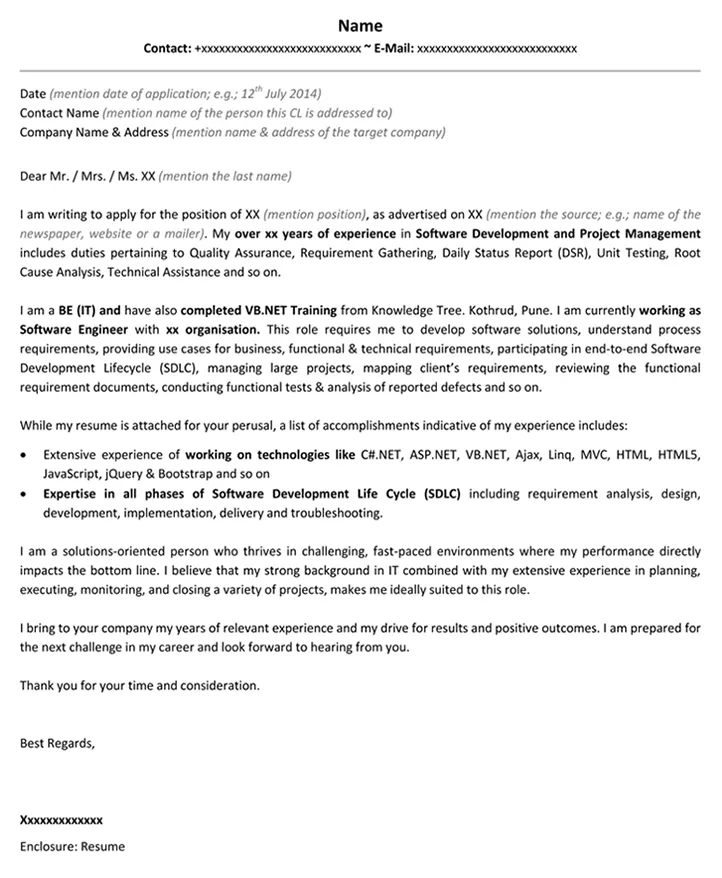
What Makes a Stellar Software Engineer Cover Letter
A cover letter is your first introduction to a potential employer, and for software engineers, it’s a crucial tool. It’s not just a formality; it’s your opportunity to showcase your unique skills, experiences, and passion for the role. A stellar cover letter goes beyond simply restating your resume; it crafts a compelling narrative that highlights your specific qualifications and demonstrates how you align with the company’s needs and culture. It should immediately capture the reader’s attention, providing a clear and concise overview of your key achievements and aspirations. It also should differentiate you from other candidates, creating a lasting positive impression that prompts the hiring manager to delve deeper into your qualifications. It’s your chance to show your personality and enthusiasm, making you more than just a list of skills and experiences on paper.
Highlighting Your Technical Skills
In your cover letter, the ability to spotlight your technical skills is paramount. It is very important to align these skills directly with the job description. Instead of listing all your skills, which can be overwhelming, pinpoint the ones that are most relevant. For instance, if the job requires expertise in Python and cloud computing, emphasize those areas in your cover letter. Provide specific examples of how you’ve used these skills to solve problems or contribute to projects. Did you develop a Python script that automated a critical process, or did you help deploy applications on AWS or Azure? Mentioning these experiences makes your application concrete and adds credibility to your claims. Consider the specific technologies and methodologies (like Agile or DevOps) the company uses and highlight your experience in those areas. This targeted approach shows that you understand the role’s needs and possess the capabilities required to excel.
Quantifying Your Achievements

Quantifying your achievements is key to demonstrating the impact of your work. Instead of simply stating that you ‘improved efficiency,’ provide concrete numbers. For example, state that you ‘reduced server latency by 30%’ or ‘increased code deployment speed by 25%’. These measurable outcomes provide a clear picture of your value and make your claims more convincing. Use metrics like the number of users impacted by your projects, the percentage of code refactoring completed, or the cost savings resulting from your solutions. When describing a project, use the STAR method (Situation, Task, Action, Result) to clearly frame your contributions and the outcomes you achieved. This structured approach helps the reader easily understand your role and the positive results of your efforts. By using numbers, you move from general statements to specific, results-driven accomplishments, showcasing your ability to make a real difference in the workplace.
Showcasing Relevant Projects
Your cover letter is an excellent platform to spotlight projects, especially those that demonstrate your skills and align with the target role’s requirements. Select projects that best represent your expertise. Briefly describe the project, your specific role, and the technologies utilized. If the project is on GitHub or another public repository, include a link to make it easily accessible for review. Highlighting projects allows you to illustrate your technical abilities and your experience with various methodologies. If you have worked on a personal project, don’t hesitate to include it, especially if it demonstrates initiative and a genuine interest in the field. For each project, make sure to address the problem you were trying to solve, the actions you took, and the outcomes. This helps the hiring manager understand your thought process, problem-solving skills, and the impact of your work.
Tailoring Your Cover Letter
One of the most critical steps is tailoring your cover letter to each specific job and company. Generic cover letters rarely leave a lasting impression. Before you begin, conduct thorough research about the company and the role. Understand their mission, values, and recent projects. By understanding their work, you can tailor your cover letter to address their specific needs. Customizing your letter demonstrates that you are genuinely interested in the opportunity and have taken the time to consider how your skills and experience align with the company’s requirements. Show that you’ve read the job description carefully and highlight how your qualifications match the required skills and experiences. Using the same language from the job description also shows your attention to detail and your commitment to the position. This personal touch makes your application more compelling and significantly increases your chances of getting noticed.
Researching the Company and Role

Thorough company research is essential for an effective cover letter. Visit the company’s website, explore their ‘About Us’ page, and check out their blog or news section. This helps you grasp their values, recent achievements, and ongoing projects. Researching the specific role is equally important. Carefully review the job description to understand the required skills, responsibilities, and expectations. Identifying keywords and key requirements allows you to tailor your cover letter to directly address the needs of the role and highlight your most relevant skills and experiences. If possible, explore the company’s presence on social media platforms, especially LinkedIn, to learn about the team, culture, and recent company news. By doing this, you demonstrate your proactive approach and show that you are genuinely interested in the opportunity.
Adapting to Different Job Types
The way you write your cover letter can vary depending on the job type. For example, a cover letter for a startup will typically highlight your adaptability and your ability to wear multiple hats. In this context, you would emphasize your experience with versatile technologies and your ability to work in a fast-paced environment. If you’re applying for a role at a large corporation, focus on your specific technical expertise and experience working within structured environments. The tone and style of your letter should reflect the company’s culture and the role’s specific needs. Adjust your approach to highlight your ability to collaborate with team members, manage complex projects, and align your contributions with the organization’s goals. Also, consider whether you’re applying for a remote or in-office position, and highlight any relevant experience or qualifications accordingly.
Emphasizing Soft Skills
While technical skills are important, don’t underestimate the power of soft skills. Include examples that highlight your communication, teamwork, problem-solving, and leadership capabilities. Your cover letter should reflect your interpersonal skills, as these traits are very valuable in any team environment. Illustrate how you effectively communicate technical concepts to both technical and non-technical stakeholders. If you’ve collaborated on projects, describe your ability to work in a team, manage conflicts, and contribute to a positive work environment. Furthermore, show how you’ve solved complex problems, think critically, and have the ability to adapt to changes. Provide specific examples of how you’ve used these skills to overcome challenges, collaborate with team members, and drive successful outcomes.
Using Action Verbs

Using strong action verbs is a great way to make your cover letter more dynamic and engaging. Replace generic terms with action-oriented language to describe your achievements and responsibilities. Instead of saying you ‘were responsible for,’ try verbs like ‘developed,’ ‘implemented,’ ‘managed,’ or ‘optimized.’ These verbs create a sense of energy and immediately show what you achieved in your previous roles. When describing your projects, start each sentence with a strong action verb to grab the reader’s attention. Avoid passive voice and opt for phrases that actively describe your actions and contributions. Choose your words carefully to illustrate your capabilities and make a strong impression. A well-written cover letter with robust action verbs helps demonstrate your skills and accomplishments and grabs the attention of the hiring manager.
Formatting Your Cover Letter
Formatting your cover letter properly is just as important as the content. Use a clear, professional font such as Arial or Times New Roman. Keep the format consistent throughout the document, and use appropriate headings and spacing to improve readability. Break up long paragraphs into shorter sections, making it easier for the reader to scan the information. Ensure your contact information is correct and up-to-date, and always include a professional header. Always include the date, the hiring manager’s name (if known), and the company’s address. Ensure your cover letter is one page long; hiring managers are busy, so keep it concise. The overall layout should look clean and professional, reflecting your attention to detail and organizational skills. Proofread carefully to ensure that everything is clear, easy to follow, and free of errors.
Common Mistakes to Avoid
Several common mistakes can undermine your chances of landing a software engineering job. These mistakes can easily be avoided by taking the time to edit and proofread your application. Not addressing the hiring manager by name, using a generic greeting, or addressing it to ‘To Whom It May Concern’ signals a lack of attention to detail. Using the wrong company name or referencing a different role also shows a lack of personalization. Avoid negative statements or highlighting your weaknesses, and instead, focus on your strengths and achievements. Make sure your cover letter is easy to read and has a logical flow, with clear sentences. Lastly, ensure that the tone of your cover letter is professional but also shows your personality and enthusiasm for the role.
Typos and Grammatical Errors

Typos and grammatical errors are major deal-breakers. They demonstrate a lack of attention to detail, which is essential in software engineering. Thoroughly proofread your cover letter multiple times. Use spell-check and grammar-check tools, but also manually review the document for accuracy. Ask a friend, colleague, or mentor to review your letter. Fresh eyes can catch mistakes you might have missed. Even a single typo can create a negative impression, suggesting that you are careless or lack attention to detail. Typos and grammatical errors can distract the reader from your message, and they may question your ability to write code without errors. Taking the extra time to ensure your cover letter is free of errors demonstrates your professionalism and respect for the hiring process.
Generic Content
Using generic, cookie-cutter cover letters is a big mistake. A cover letter that could apply to any job shows a lack of interest in the specific role and company. Avoid using generic opening and closing statements that are not tailored to the specific opportunity. Instead, personalize your letter to highlight your understanding of the company’s needs, your relevant skills, and your genuine interest in the role. Show that you’ve taken the time to learn about the company and the specific requirements of the job. Your cover letter is your chance to make a unique and memorable impression, so you need to convey why you’re an ideal candidate. Tailor your letter to demonstrate your knowledge and interest, rather than just repeating the same content for every application. Make sure your cover letter showcases your expertise and shows how it matches the job requirements.
Ignoring the Job Description
One of the most critical errors is ignoring the job description. The job description is a roadmap to what the company seeks in a candidate, so use it to ensure your cover letter addresses each key requirement. Read the description closely to identify the essential skills, experiences, and qualifications. Then, in your cover letter, show how your experiences, skills, and experiences match these requirements. Use keywords from the job description to demonstrate that you understand the role and meet the company’s requirements. By aligning your cover letter with the job description, you show that you have taken the time to understand the needs of the position and have the necessary qualifications. This approach makes your application more relevant and significantly increases your chances of getting noticed by hiring managers. Be sure to provide clear examples and concrete evidence of your suitability for the role.
Not Proofreading

Failing to proofread your cover letter is a fundamental mistake. Your cover letter is a reflection of your attention to detail, which is essential in software engineering. Thorough proofreading is crucial for detecting and correcting errors. Proofread your letter multiple times to ensure everything is perfect. Use spell-check and grammar-check tools, but don’t rely on them completely. Always manually review the document for accuracy. Ask someone you trust to review your cover letter. A second pair of eyes can often catch mistakes that you might have overlooked. Proofreading is more than just checking for spelling and grammar errors; it includes verifying the accuracy of dates, contact information, and company names. A polished cover letter indicates that you take pride in your work and are attentive to detail. It increases your credibility and boosts your chances of getting hired.
Key Takeaways for Software Engineers
Writing an impactful cover letter is a great skill for software engineers. Focus on tailoring your letter to each job, highlighting your technical skills, and quantifying your achievements. Show off relevant projects and emphasize your soft skills. Be sure to conduct thorough research on the company and the role, and adjust your approach based on the job type. Avoid making common mistakes like using generic content or ignoring the job description. Always proofread your cover letter, and use action verbs to make it more engaging. By following these strategies, you can create a cover letter that helps you stand out and helps you land more interviews and job offers. Your cover letter represents you, and when done well, it’s a crucial step toward your software engineering career.