Why a Cover Letter Matters for Internal Roles
When applying for a different position within the same company, you might wonder if a cover letter is truly necessary. After all, your current employer is already familiar with your work ethic and skills. However, a well-crafted cover letter is not just recommended; it is a crucial tool for career advancement. It provides a unique opportunity to showcase your evolving skills, express your specific interest in the new role, and highlight how your experience aligns with the new position’s requirements. A cover letter helps you articulate your career goals and demonstrates a proactive approach, setting you apart from other internal candidates. It’s a chance to make a strong first impression, even within a familiar environment, and position yourself as the ideal choice for the job.
Highlighting Your Value
Your cover letter should emphasize the value you bring to the new role. This is where you transition from simply listing your skills to demonstrating how you can leverage those skills to benefit the company in this new capacity. Think about what you have accomplished in your current position and identify achievements that are relevant to the new role. These can be quantifiable results like increased sales, improved efficiency, or successful project completion. By focusing on outcomes, you show potential employers how you can contribute to the success of the team and the organization as a whole. This approach not only showcases your abilities but also indicates that you are invested in the company’s future.
Showcasing Relevant Skills

In your cover letter, specifically address how your skills align with the requirements of the new position. Go beyond general descriptions and provide concrete examples. For instance, if the new role requires project management skills, don’t just state that you possess them; instead, describe a specific project you managed, what your responsibilities were, and the results achieved. Refer to the job description to understand what the employer is looking for. Use the same keywords and phrases from the job description. This approach demonstrates that you have carefully considered the role and are a great match. This demonstrates a clear understanding of the role and a proactive approach to meeting the needs of the new position.
Quantifying Achievements
To make your cover letter more impactful, quantify your achievements. Instead of saying ‘Improved customer satisfaction,’ say ‘Improved customer satisfaction scores by 15% through implementing a new feedback system.’ Numbers give your claims credibility and clearly demonstrate the value you have brought to the company. Use data to show how your actions have positively impacted previous projects or responsibilities. This can include metrics such as time saved, costs reduced, revenue increased, or any other quantifiable results. Highlighting these accomplishments proves to the hiring manager that you are results-oriented and capable of delivering success in the new role.
Cover Letter Structure
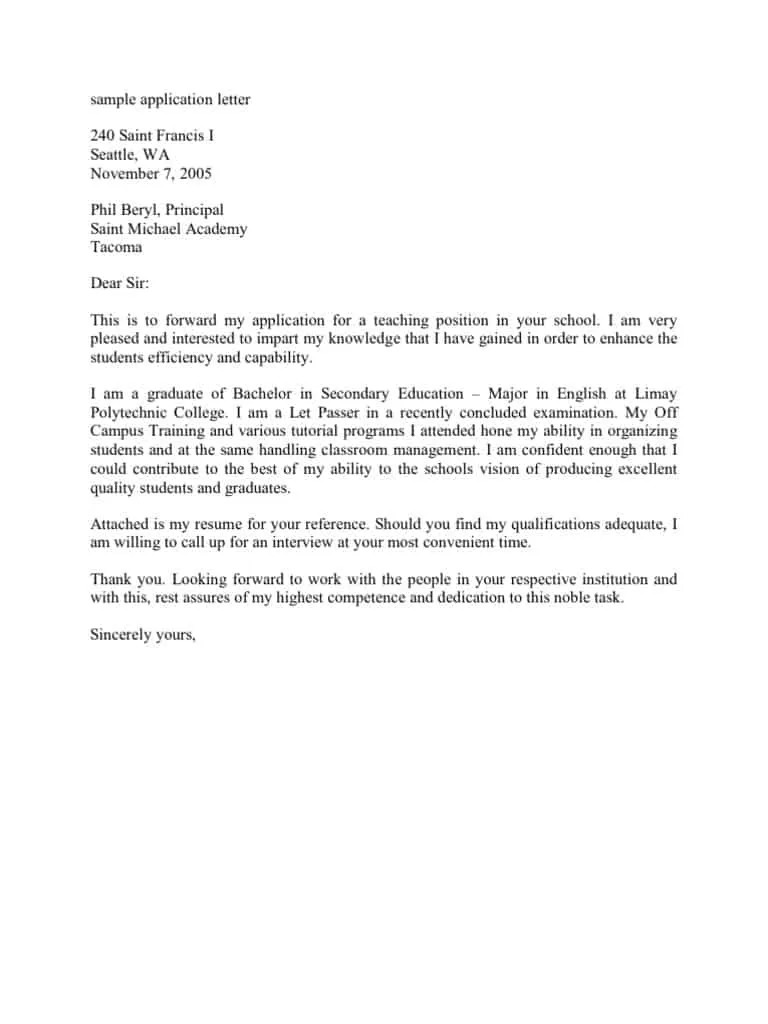
The structure of your cover letter is as crucial as the content itself. A well-organized letter is easier to read and leaves a better impression. A clear, concise format helps convey professionalism and respect for the hiring manager’s time. The layout should follow a standard business letter format, allowing for a seamless flow of information and highlighting your key skills and qualifications. By adhering to this standard format, you ensure your message is received with clarity and professionalism, setting you apart from other candidates and increasing your chances of securing an interview.
Header and Contact Information

Begin your cover letter with a professional header that includes your contact information and the date. Make sure your name, phone number, email address, and LinkedIn profile (optional) are easily visible. Follow this with the hiring manager’s name, title, and the company’s address. Using the correct contact information and addressing the letter to the specific person in charge shows that you have done your research and are serious about the position. This level of attention to detail sets a positive tone from the outset, demonstrating your professionalism and interest.
Opening Paragraph
The opening paragraph should immediately state the position you are applying for and where you saw the job posting. Briefly mention your current role at the company and express your enthusiasm for the new opportunity. The introduction should grab the reader’s attention and create a positive first impression. This is where you signal your interest and make it clear that you are a good fit for the new role. Keep it concise and to the point, setting the tone for the rest of the letter.
Body Paragraphs
The body paragraphs are where you highlight your relevant skills and experience. Use these paragraphs to showcase your achievements, quantify your results, and explain how your qualifications align with the job requirements. Provide specific examples of how you have succeeded in your previous roles, focusing on accomplishments that are relevant to the new position. Elaborate on how your skills have developed and how you are now equipped to handle the new responsibilities. This is your chance to demonstrate your value to the company and make a compelling case for your candidacy.
Closing Paragraph

In the closing paragraph, reiterate your interest in the position and thank the hiring manager for their time and consideration. Express your enthusiasm for the opportunity and state your availability for an interview. It is crucial to include a call to action. This paragraph should leave a lasting positive impression. End with a professional closing, such as ‘Sincerely’ or ‘Best regards,’ followed by your name. Remember to always proofread to ensure there are no errors.
Tailoring Your Cover Letter
A generic cover letter won’t cut it, especially for internal applications. Customize your cover letter to demonstrate a genuine interest in the specific role and the company’s future. Focus on why this new position is a great fit for your career goals, and how your past experiences have prepared you for success in this new environment. Personalization shows the hiring manager that you are serious about the new opportunity and have invested time and effort into understanding the position and its requirements. Take the time to match your skills and experiences to the job description and tailor the language to align with the company’s brand.
Researching the New Role
Before writing your cover letter, thoroughly research the new role. Understand the key responsibilities, required skills, and the team’s objectives. Review the job description carefully and take notes on the specific skills and experiences the hiring manager is seeking. Understanding the expectations allows you to tailor your letter to highlight the aspects of your experience that are most relevant. If possible, gather information about the team and the hiring manager; this insight can help you personalize your message. Knowledge is power, and it will help you make a compelling case for why you are an ideal candidate.
Matching Skills to Requirements

Carefully compare your skills and experiences with the requirements listed in the job description. Identify the key qualifications and skills that the hiring manager is looking for and provide specific examples of how you have demonstrated those skills in your previous roles. Use keywords from the job description to ensure your cover letter resonates with the hiring manager and demonstrates your suitability for the role. Ensure that the examples you choose are relevant and showcase quantifiable results that highlight your achievements. This approach assures that you are addressing the specific needs of the role.
Demonstrating Company Loyalty
Demonstrate your loyalty to the company in your cover letter. Expressing enthusiasm about continuing your career within the organization can be highly advantageous. You can mention that you are excited to contribute to the company’s future success and that you align with the company’s values and goals. Highlight how your career growth within the company reflects your commitment. Show how your experience aligns with the company’s objectives. These points not only signal your commitment but also make a great impression to the hiring manager. This commitment to the company can significantly strengthen your application.
Common Mistakes to Avoid
When writing a cover letter for an internal role, there are several common mistakes that can undermine your chances. Avoiding these pitfalls can greatly improve your application. By being aware of these issues, you can tailor your approach to ensure a successful application. Being mindful of common mistakes shows the hiring manager that you are professional and serious about your application, thus increasing the likelihood of your success.
Generic Content

Avoid using a generic cover letter that could be sent to any company or position. Tailor your letter to the specific role you are applying for and demonstrate a genuine interest in the company. A generic letter suggests that you have not taken the time to understand the position or the company’s needs. It may even be immediately rejected by the hiring manager. Demonstrating your understanding and aligning your skills with the job requirements is crucial.
Lack of Enthusiasm
Your cover letter should be filled with enthusiasm for the new role and the company. Avoid a tone that is casual or disinterested. Let the hiring manager know you are excited about the opportunity. Show that you have carefully considered the role and that it aligns with your career goals. Lack of enthusiasm may suggest that you are not truly interested in the position, therefore, do not show it in your cover letter. Express your excitement and commitment to the company’s mission to grab the hiring manager’s attention.
Focusing on the Past
While it is essential to highlight your past accomplishments, do not dwell on your past experiences. Focus on what you can bring to the new role and how your skills and experiences will benefit the company. Your cover letter should be forward-looking, showing your ambition and readiness to take on new challenges. Demonstrate how your skills and experiences make you the perfect candidate for the new role, and express your goals. This approach ensures the reader understands your value and can envision your success in the position.
Proofreading Your Cover Letter
Always proofread your cover letter. Errors in grammar, spelling, or punctuation can damage your credibility and make a negative impression. Read through your letter multiple times, and consider asking a colleague to review it. Ensure that your letter is free of errors and is well-written. Before submitting your application, carefully check your contact information and the name of the hiring manager. Proofreading is essential. Make sure it is error-free to increase your chances of success.
In conclusion, a well-crafted cover letter is a powerful tool for securing a different position within your company. By highlighting your value, showcasing relevant skills, and tailoring your letter to the specific role, you can significantly increase your chances of landing your dream job. Remember to avoid common mistakes and always proofread your work. With a strategic approach, your cover letter will undoubtedly help you stand out and make a positive impression.