What is a Cover Letter
A cover letter is a crucial document that accompanies your resume when applying for a job, internship, or any professional opportunity. It serves as your introduction to a potential employer, providing an opportunity to showcase your personality, skills, and enthusiasm for the position. Unlike a resume, which provides a factual overview of your experience, a cover letter allows you to tell a story, explaining why you are the perfect fit for the role and the company. It’s your chance to make a strong first impression and convince the hiring manager to read your resume and invite you for an interview. The cover letter should be customized for each application to ensure it aligns with the specific requirements and values of the organization.
Why Cover Letters Matter
In today’s competitive job market, a well-crafted cover letter can be the key to unlocking your dream job. While a resume outlines your qualifications, the cover letter adds a layer of context, demonstrating your communication skills and personality. It allows you to explain any gaps in your resume, highlight specific achievements, and articulate your career goals. Many employers consider cover letters to be an essential part of the application process. In fact, it is often the first document a hiring manager will read. A strong cover letter sets you apart from other applicants, showcasing your genuine interest in the role and company. It also demonstrates professionalism and attention to detail, signaling to the employer that you’re serious about the opportunity.
Essential Components of a Cover Letter

A well-structured cover letter should include several key components to effectively communicate your qualifications and enthusiasm. These elements work together to create a compelling narrative that captures the reader’s attention. By following a clear format and including these elements, you can create a cover letter that stands out to potential employers.
Contact Information
Begin your cover letter with your contact information, including your name, address, phone number, and email address. This should be placed at the top of the letter, making it easy for the employer to reach you. Make sure your email address is professional and appropriate for job applications. Also include the date and the employer’s contact information, if available. This creates a professional tone and ensures the recruiter can quickly locate your contact details.
The Greeting
Address your cover letter to a specific person whenever possible. Research the hiring manager’s name and use it in your greeting, such as Dear Mr/Ms [Last Name]. If you are unable to find a specific name, use a professional greeting like Dear Hiring Manager or Dear [Department Name] Team. Avoid generic greetings like To Whom It May Concern, as they can make your letter seem impersonal and less engaging. A personalized greeting shows you’ve taken the time to research the company and demonstrates your attention to detail.
Body Paragraphs

The body paragraphs are the heart of your cover letter, where you explain why you’re the right fit for the role. These paragraphs should be concise, well-organized, and tailored to the specific job and company. It is essential to focus on the employer’s needs and how your skills and experience align with them.
First Paragraph Hook the Reader
The first paragraph should grab the reader’s attention and clearly state the purpose of your letter. Mention the specific position you’re applying for and where you found the job posting. Briefly explain why you’re interested in the role and what makes you a good fit. This initial paragraph sets the tone for the rest of your letter, highlighting your enthusiasm and making the reader want to continue reading.
Second Paragraph Highlight Skills
In the second paragraph, highlight your key skills and qualifications that are relevant to the job description. Provide specific examples from your experience, such as projects, internships, or coursework, that demonstrate your abilities. Quantify your achievements whenever possible, using numbers and data to showcase your impact. Focus on the skills and experiences most relevant to the employer’s needs, ensuring your letter reflects the key requirements.
Third Paragraph Show Enthusiasm

The third paragraph should express your enthusiasm for the company and the specific role. Explain why you’re drawn to the company’s mission, values, or culture. Describe how you envision contributing to the team and the company’s success. Show that you have researched the company and understand its goals. This demonstrates your genuine interest and commitment to the opportunity, making a memorable impression on the hiring manager.
Call to Action
In your concluding paragraph, include a clear call to action. Express your interest in an interview and thank the reader for their time and consideration. Reiterate your contact information and express your eagerness to discuss your qualifications further. This encourages the reader to take the next step and moves your application closer to the interview stage. It’s a final opportunity to leave a positive impression.
Closing and Signature
End your cover letter with a professional closing, such as Sincerely, Best regards, or Yours sincerely. Follow your closing with your typed name and your signature (if submitting a hard copy). Your signature adds a personal touch and reinforces your professionalism. Ensure your closing is appropriate for the job and the company culture.
Cover Letter Formatting Tips
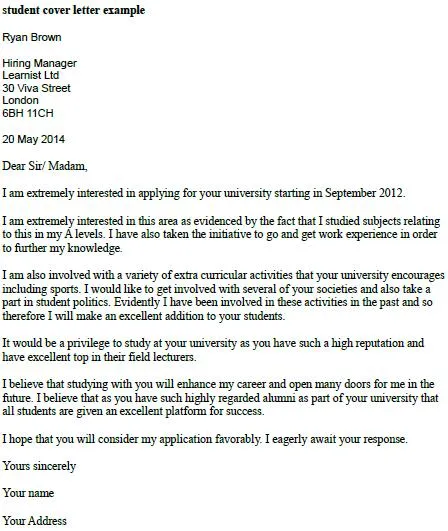
Proper formatting is essential for making your cover letter visually appealing and easy to read. A well-formatted cover letter demonstrates your attention to detail and professionalism, making a positive first impression on potential employers. Pay careful attention to these formatting elements to ensure your letter is polished and presents you in the best possible light.
Font and Font Size
Choose a professional and easy-to-read font, such as Times New Roman, Arial, Calibri, or Helvetica. Keep the font size between 10 and 12 points. Avoid using overly decorative or unusual fonts, which can distract the reader. Consistency in font and size throughout the document ensures a clean and professional appearance. Opting for a clear font allows the hiring manager to quickly and comfortably read your letter, increasing the likelihood that they will engage with your content.
Margins and Spacing
Use standard one-inch margins on all sides of your cover letter. Double-space your letter between paragraphs and single-space within paragraphs. This spacing makes the document easier to read and allows for a clean, uncluttered look. Proper spacing gives your letter an organized and professional appearance, creating a positive impression on the hiring manager. Well-spaced text is less tiring to the eye, making it more likely your letter will be thoroughly read.
Proofreading and Editing

Proofread your cover letter carefully for any typos, grammatical errors, and punctuation mistakes. Errors can reflect negatively on your attention to detail and professionalism. Read your letter aloud to catch awkward phrasing and ensure the flow is smooth. Consider having a friend, family member, or career advisor review your letter for feedback. A fresh set of eyes can often spot mistakes you might miss. Thorough proofreading is critical to making a positive impression.
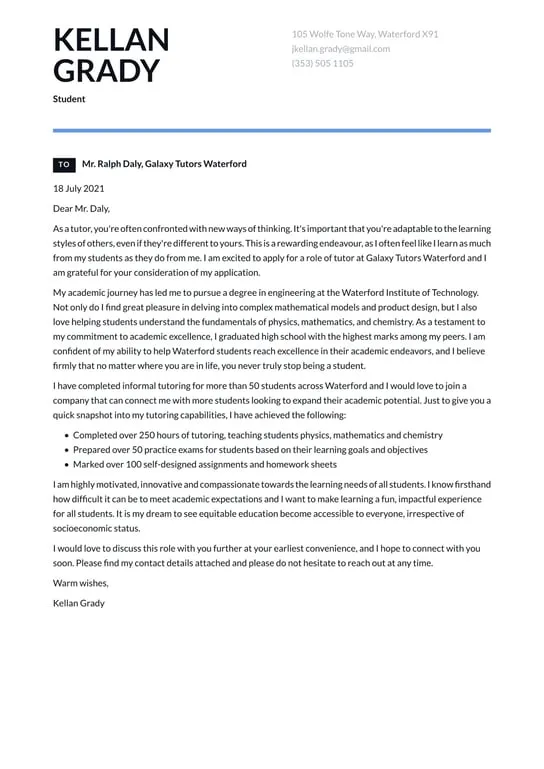
Cover Letter Samples for Students
Cover letter samples for students can vary depending on the type of opportunity you are seeking, such as a recent graduate, an internship or a part-time job. Each type of cover letter has a slightly different focus, adapting the content to best suit the position and highlight the candidate’s suitability. Reviewing different cover letter samples gives you a head start on writing your own and provides inspiration.
Sample Cover Letter Recent Graduate
A cover letter for a recent graduate should emphasize academic achievements, relevant coursework, and any internships or volunteer experiences. Highlight any skills or projects that align with the job requirements. Show your eagerness to apply your knowledge and start your career. Demonstrate your ability to learn quickly and contribute to the company’s goals. Provide a sense of direction, explaining how the role contributes to your long-term career ambitions.
Sample Cover Letter Internships

An internship cover letter should showcase your academic achievements, skills, and any relevant extracurricular activities. Focus on your ability to learn and contribute to the company’s goals. Emphasize your enthusiasm for the specific internship and the company’s mission. Highlight any projects or coursework that demonstrate your skills. Be sure to express your willingness to take on new challenges and learn from experienced professionals.
Sample Cover Letter Part-time Job
A cover letter for a part-time job should emphasize your availability, reliability, and any relevant work experience or skills. Highlight your ability to manage your time effectively and balance work with your studies. Demonstrate your enthusiasm for the specific job and the company. Show that you are a responsible and dedicated individual. Also highlight your ability to work well with others and communicate effectively.
Tailoring Your Cover Letter
Tailoring your cover letter to each job application is essential for making a strong impression. Customizing your letter shows that you have taken the time to understand the specific requirements of the position and the values of the company. This personalized approach greatly increases the chances of your application being noticed and considered.
Research the Company
Before writing your cover letter, research the company’s mission, values, and culture. Visit their website, read news articles, and check their social media profiles. Understanding the company helps you tailor your letter to align with their specific needs and demonstrate your genuine interest. This research will help you write a more engaging and relevant cover letter.
Use Keywords from Job Description
Carefully review the job description and identify key skills, qualifications, and keywords. Incorporate these keywords into your cover letter to demonstrate that you meet the requirements. This practice is especially important as many companies use applicant tracking systems (ATS) that scan resumes and cover letters for specific keywords. Using the right keywords can improve your chances of getting your application past the initial screening and into the hands of a human recruiter.
Highlight Relevant Experience
Highlight your experiences, skills, and achievements that are most relevant to the job requirements. Focus on how your experiences align with the company’s needs. Provide specific examples of how you have demonstrated the skills and qualifications mentioned in the job description. Tailoring your experience section demonstrates your ability to meet the specific needs of the role.
Common Cover Letter Mistakes to Avoid
Avoiding common mistakes in your cover letter is crucial for making a positive impression. These errors can undermine your application and make it less likely that you will get an interview. Being aware of common pitfalls ensures you are presenting yourself professionally and attractively to potential employers.
Generic Cover Letters
Avoid using generic cover letters that are not tailored to the specific job or company. A generic letter lacks the personal touch and shows that you have not taken the time to research the opportunity. Customize your cover letter to showcase your understanding of the company’s needs and your enthusiasm for the specific role. Generic letters suggest a lack of genuine interest and can quickly lead to your application being overlooked.
Typos and Grammatical Errors
Typos and grammatical errors can undermine your credibility and professionalism. Always proofread your cover letter carefully before submitting it. Use spell-check tools, but also read your letter aloud to catch any awkward phrasing or mistakes that might be missed by automated tools. Having a friend, family member, or career advisor review your letter can also help you catch errors.
Lack of Enthusiasm
A cover letter should convey your enthusiasm for the job and the company. Avoid writing a letter that sounds monotonous or disinterested. Express your genuine interest in the role and the company’s mission. Share what excites you about the opportunity and how you envision contributing to the team. Demonstrating enthusiasm helps you stand out from other candidates and leaves a positive impression on the hiring manager.
Failing to Proofread
Failing to proofread your cover letter is a critical mistake, as it can damage your credibility. Always proofread your letter carefully before submitting. Check for typos, grammatical errors, and punctuation mistakes. Use spell-check tools and consider having someone else review the letter to catch mistakes you might miss. Thorough proofreading is essential for presenting yourself professionally.
Final Thoughts
Writing a strong cover letter is a key step in the job application process for students. By following these guidelines and customizing your letter to each opportunity, you can significantly increase your chances of landing an interview and securing your desired role. A well-crafted cover letter serves as your personal introduction, showcasing your skills, enthusiasm, and unique qualifications.
Key Takeaways
Craft a cover letter that highlights your skills, experiences, and enthusiasm for the specific job. Tailor your letter to each application by researching the company and using keywords from the job description. Proofread your letter carefully for any errors. A strong cover letter can be the difference between landing an interview and being overlooked. So, invest time in writing a compelling cover letter and gain an edge in your job search. Focus on showcasing your value and showing your interest in the opportunity. With these tips, you’ll be well on your way to writing cover letters that get results.