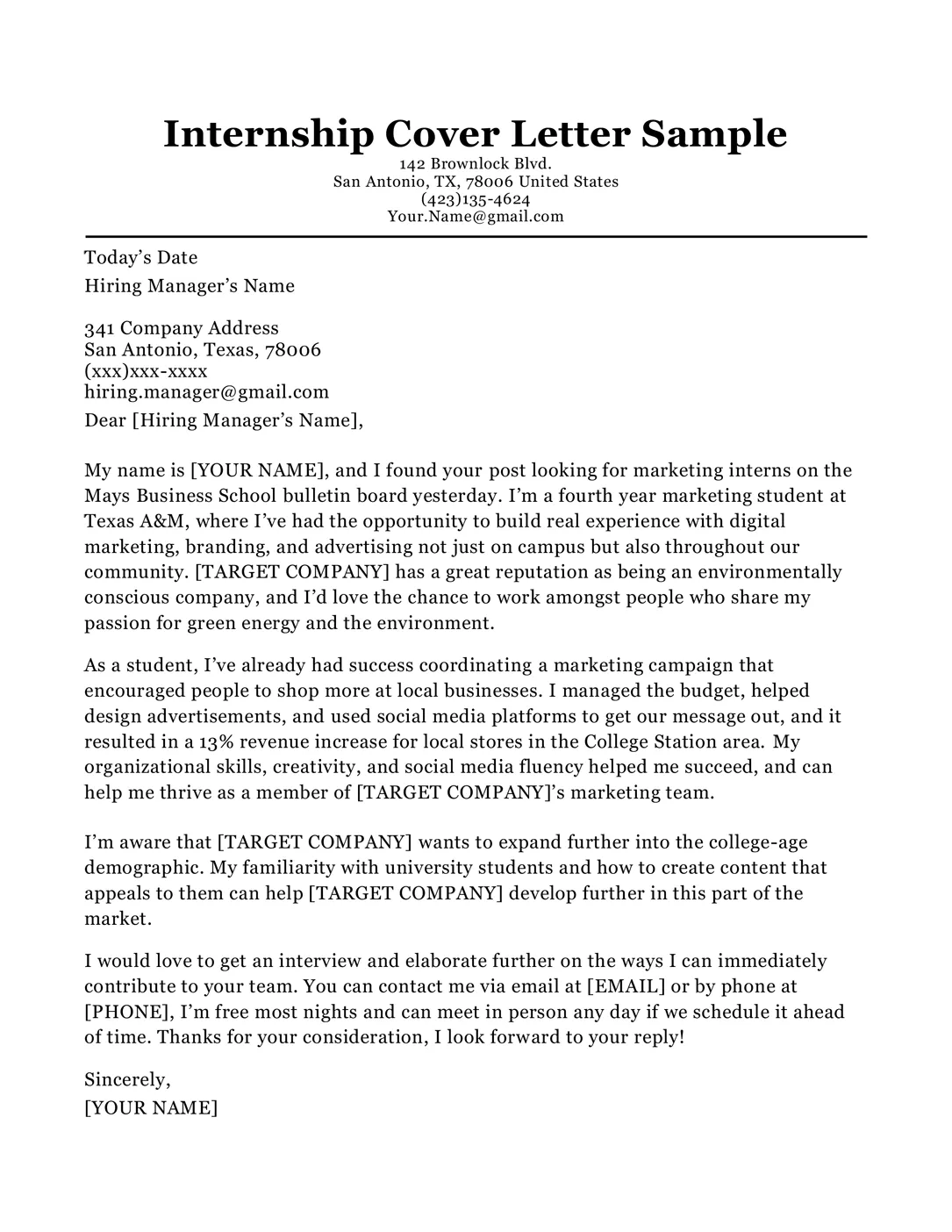
Cover Letter Samples for Students
Crafting a compelling cover letter is crucial for students seeking internships or entry-level positions. It’s your first impression, a chance to showcase your potential beyond your academic transcript. A well-written cover letter grabs attention, demonstrating your communication skills, enthusiasm, and understanding of the role. This guide offers five distinct cover letter samples tailored to common student scenarios, alongside practical tips to help you write your own. Remember, each cover letter should be customized to the specific job description, highlighting how your skills and experiences align with the employer’s needs. Use these samples as inspiration and adapt them to your unique background and aspirations. Check for common mistakes while writing, a personalized approach is key for making a great impression. A strong cover letter can significantly boost your chances of landing an interview.
Sample 1 Tailoring Your Skills
This sample emphasizes the alignment between your skills and the job requirements. The aim is to directly address the employer’s needs. Start by identifying the key skills listed in the job description, such as communication, teamwork, or problem-solving. Then, provide specific examples from your academic projects, extracurricular activities, or previous part-time jobs that demonstrate these skills. For instance, if the job requires strong communication skills, describe a project where you successfully presented complex information, or a leadership role in a student organization where you effectively managed communication among team members. Highlight how your abilities make you a good match for the role, which is very important.
Highlighting Relevant Experience

Carefully select experiences that directly relate to the job requirements. Even if your experience isn’t directly in the same field, emphasize transferable skills. For example, a customer service role can demonstrate communication, problem-solving, and conflict resolution skills. A research project can showcase analytical and research abilities. Clearly articulate how your past experiences have equipped you with the skills needed to succeed in the new role. Use the STAR method (Situation, Task, Action, Result) to explain your experiences in detail. Describe the situation, the task you faced, the actions you took, and the positive results you achieved. This method provides concrete evidence of your capabilities and makes your cover letter more impactful.
Quantifying Achievements
Whenever possible, quantify your achievements to make them more impactful. Instead of saying you “improved customer satisfaction”, state that you “increased customer satisfaction by 15%”. Instead of “managed social media”, say you “increased social media engagement by 25%”. Use numbers and metrics to demonstrate the impact of your actions. This shows employers that you’re results-oriented and have a track record of success. Quantifiable achievements provide concrete evidence of your abilities and help you stand out from other applicants. This detail adds credibility to your claims and gives the recruiter a clearer picture of your capabilities and value.
Sample 2 Showcasing Your Enthusiasm
This sample focuses on demonstrating your genuine interest in the company and the role. Show that you’ve researched the company and understand its mission, values, and recent achievements. Explain why you’re excited about the opportunity and what specific aspects of the role or company appeal to you. Your enthusiasm can be a differentiating factor, showing that you’re motivated and willing to go the extra mile. Use specific examples to demonstrate your passion. Mentioning relevant company projects or initiatives shows that you are genuinely interested in the company.
Expressing Passion for the Role

Clearly articulate why you’re passionate about the specific role you’re applying for. Describe what excites you about the job responsibilities, the skills you’ll use, and the impact you can make. Connect your passion to your career goals and explain how this opportunity aligns with your aspirations. Demonstrate that this isn’t just a job, but a step toward achieving your professional goals. Be genuine and sincere in expressing your interest. Use this opportunity to convince the recruiter that you are truly interested in joining the company and not just applying to any open position.
Demonstrating Research and Knowledge
Show that you’ve done your homework by mentioning specific details about the company. This could include their recent projects, their values, or their industry impact. Demonstrate your understanding of the company’s mission and how your skills and experiences align with it. Mentioning industry trends, competitors, or the company’s recent achievements proves your proactive approach and commitment to the role. This demonstrates that you have the initiative to go above and beyond, and you are truly interested in their work. You can also mention how you can help them with your previous knowledge and abilities.
Sample 3 Emphasizing Transferable Skills
If your experience is limited, this sample focuses on transferable skills gained from various sources, like academic projects, volunteer work, or part-time jobs. These are abilities applicable across different industries. For instance, teamwork, communication, problem-solving, and time management are highly valued. Identify these skills and explain how you’ve used them in different contexts. This approach helps you showcase your potential and adaptability even without direct experience in the field. It’s important to illustrate how you can contribute to the company even if you’re transitioning from another field.
Identifying Transferable Skills

Start by identifying the skills that are transferable to the job you’re applying for. Examples include communication, teamwork, leadership, problem-solving, time management, and analytical skills. Consider the requirements of the job description and identify the skills you possess that match those requirements. List these skills in your cover letter, and then provide examples of how you’ve used them in past situations. Focus on what you can offer that will be beneficial to the company, even if the experience wasn’t directly related to the new role. This shows that you are adaptable and can learn new things and skills.
Providing Specific Examples
Provide specific examples of how you’ve demonstrated your transferable skills. For example, if you claim to have strong teamwork skills, describe a project or activity where you collaborated effectively with others to achieve a goal. If you’re highlighting problem-solving skills, explain a challenge you faced and how you resolved it. Use the STAR method to structure your examples. This demonstrates that your skill claims are not just empty words. The examples should show the recruiter how you would handle similar situations in the new job and showcase your problem-solving and communication capabilities. Make sure to provide concrete evidence.
Sample 4 Addressing a Gap in Experience
This sample helps you address any gaps in your experience. Perhaps you’ve taken time off, changed career paths, or are entering the workforce for the first time. This approach focuses on your skills, education, and relevant projects to demonstrate your potential. It’s about being proactive and explaining any circumstances that might raise concerns with employers. This approach allows you to put the focus back on your abilities, which will help them to understand your potential better. Don’t try to hide anything, as transparency helps them to build trust with you.
Focusing on Skills and Education

Highlight your relevant skills and educational background to compensate for a lack of direct experience. Emphasize the knowledge and abilities you’ve acquired through your studies, projects, or other activities. Explain how your academic background has prepared you for the role. Focus on the courses, projects, and skills that align with the job requirements. Clearly articulate what you bring to the table and how you can contribute to the company’s goals, even without previous experience. By focusing on your skills and education, you can show your potential.
Mentioning Relevant Projects
If you lack professional experience, showcase relevant projects or assignments you’ve completed. Describe the projects in detail, explaining your role, the challenges you faced, and the results you achieved. Highlight any skills you developed during the project. Use these projects to demonstrate your practical skills and abilities. Emphasize any outcomes or accomplishments you’ve achieved. This shows your initiative, proactive approach, and ability to apply your knowledge. Presenting projects is a great way to showcase your potential.
Sample 5 Following Up
This sample emphasizes the importance of following up after submitting your application. It shows you’re proactive and interested. Keep it concise, expressing gratitude for the opportunity and reiterating your interest in the role. This can be a crucial step, especially if you haven’t heard back after a certain time. However, avoid being overly persistent, as this can backfire. A well-timed and professional follow-up can make a positive impression and set you apart. Following up shows the recruiters that you are eager to know more about the opportunity and will show your eagerness to join the team. The right follow up can help you to remember in their mind.
Expressing Gratitude

Express your gratitude to the hiring manager for considering your application. Acknowledge the time they’ve spent reviewing your materials. This shows professionalism and respect. This is a great way to show that you value the opportunity. Expressing gratitude is important, showing that you understand how recruiters take the time to review your application. Be sincere and make sure your tone is polite. Thank you for your consideration is a great option.
Offering to Provide Additional Information
Offer to provide additional information or answer any questions the hiring manager might have. This shows your willingness to assist in the hiring process. Provide your contact information again to make it easy for them to reach you. This creates a sense of collaboration, demonstrating your commitment to the process and your enthusiasm for the role. If you have any questions, it will be a great opportunity to share it with them. This shows that you are really interested in the role and know how to do your part to get the job.
In conclusion, these five cover letter samples provide a starting point for students to create compelling cover letters that highlight their skills and enthusiasm. Remember to customize each letter to the specific job and company. Tailor your approach to showcase your unique strengths and experiences. By focusing on what you bring to the table and expressing genuine interest, you can significantly increase your chances of landing an interview and starting your career. Proofread carefully and seek feedback from career advisors, professors, or peers to ensure your cover letter is polished and professional. A well-crafted cover letter is a powerful tool in your job search. Good luck!