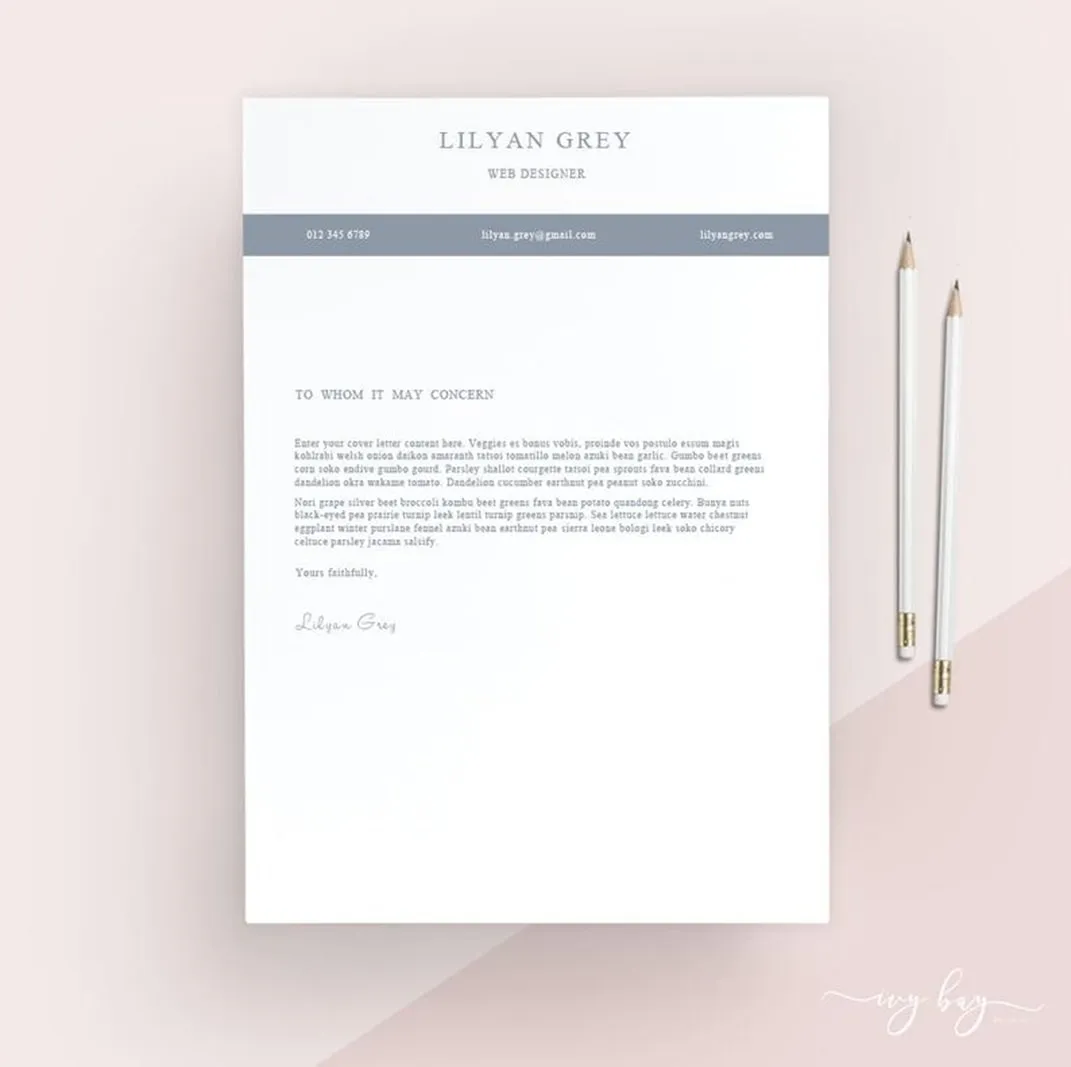
What is a Cover Letter?
A cover letter is a crucial document that accompanies your resume when applying for a job. It serves as an introduction, allowing you to highlight your qualifications, skills, and experiences in a way that a resume alone cannot. It’s your first opportunity to make a positive impression on a potential employer and demonstrate why you’re the perfect fit for the role. A well-crafted cover letter provides context, explains your motivations, and showcases your personality, giving you a significant advantage in the competitive job market. It’s your chance to go beyond the bullet points of your resume and tell a compelling story about yourself and your career aspirations, making a strong case for why you should be considered for an interview.
Why is a Cover Letter Important?
A cover letter is important because it offers the opportunity to personalize your application and connect with the employer on a deeper level. It allows you to demonstrate your understanding of the company, the role, and the industry, showcasing your research and interest. A strong cover letter can also address any gaps in your resume or explain career changes, giving you a chance to provide context. It helps you stand out from the competition by highlighting your unique skills and experiences that align with the job requirements. Moreover, it demonstrates your communication skills, professionalism, and attention to detail, all of which are highly valued by employers. By including a cover letter, you show you care about the application and have invested the time to create a tailored presentation of yourself.
Key Components of a Cover Letter

A well-structured cover letter consists of several key components, each playing a vital role in presenting you effectively. These elements work together to create a compelling narrative, making a strong case for your candidacy. Understanding and incorporating these components is crucial for crafting a cover letter that captures the attention of potential employers and enhances your chances of securing an interview. Ensuring each component is clear, concise, and tailored to the specific job application is key to presenting yourself in the best light possible. Let’s break down the key elements and how to make each of them work for you.
The Header
The header is the first thing the hiring manager will see, so it’s essential to make it neat and professional. It typically includes your contact information, such as your name, address, phone number, and email address. Make sure this information is accurate and up-to-date. You may also choose to include a link to your professional online presence, such as LinkedIn, if it is relevant and reflects positively on your experience. A clean and well-formatted header immediately demonstrates your professionalism and attention to detail, setting a positive tone for the rest of your letter. Avoid using flashy fonts or excessive formatting; stick to a simple, easy-to-read design that’s consistent with the overall tone of your application.
Contact Information
Ensure your contact information is easily accessible within the header. Provide your full name, a professional email address, and a reliable phone number. Double-check that your email address is appropriate and doesn’t contain any unprofessional nicknames. The phone number should be one you regularly check for messages. Additionally, confirm that your address is correctly listed, as this may be necessary for formal correspondence. This readily available contact information ensures that potential employers can easily reach you for further communication, increasing your chances of getting an interview invitation. Accuracy is key; a single typo here can lead to a missed opportunity.
Date

The date is an important part of a cover letter as it shows when the letter was written. It should be placed below the header, usually aligned to the left or right, or sometimes centered. Ensure that you use the current date on the day you are submitting your application. This helps the recipient know when the letter was written. It’s a standard practice that indicates your application is current and up to date. When using an online template, remember to update the date before sending the cover letter. Using the correct date demonstrates attention to detail and professionalism, reinforcing the credibility of your application.
Recipient Information
Recipient information should be placed below the date and includes the name and title of the hiring manager, the company name, and the company’s address. If possible, address the letter to a specific person; this shows you’ve taken the time to research and personalize your application. If you cannot find the hiring manager’s name, use a professional salutation such as “Dear Hiring Manager.” The accuracy of this information demonstrates your attention to detail and respect for the recipient. It helps create a personal connection and shows that you’ve taken the initiative to address your application to the appropriate individual, which is always a positive sign.
The Salutation
The salutation is the greeting at the beginning of your cover letter. Start with “Dear” followed by the hiring manager’s name (e.g. Dear Mr. Smith). If you’re unsure of the hiring manager’s name, use a professional alternative such as “Dear Hiring Manager.” Avoid overly casual greetings. The tone you set here is important because it is the first thing they read after your header. It sets the tone for the rest of the cover letter and should reflect professionalism and respect. If you make a mistake and get the name wrong, it can be very off-putting. Use “To Whom It May Concern” sparingly, as it’s often seen as impersonal.
Crafting a Compelling Opening

The opening paragraph is crucial for grabbing the reader’s attention and setting the tone for the rest of your letter. Start by stating the position you’re applying for and how you learned about it. Then, quickly highlight your most relevant skills and experiences. This opening should be concise and impactful, capturing the reader’s interest immediately. Show your enthusiasm for the role and the company, demonstrating that you have a genuine interest beyond just a job. Consider using a compelling hook to engage the reader, such as a brief accomplishment or a statement about why the company interests you. The goal is to make the reader want to keep reading.
Highlight Your Skills and Experience
In the body of your cover letter, focus on highlighting your skills and experience that are most relevant to the job description. Provide specific examples of how you’ve used these skills to achieve results in previous roles. Tailor your content to align with the requirements outlined in the job posting. Instead of simply listing your skills, explain how they translate into tangible contributions. This is your opportunity to demonstrate your value to the employer by showcasing what you can bring to the table. Use action verbs to describe your accomplishments and emphasize your achievements, aiming to create a clear picture of how your expertise aligns with the company’s needs. Focus on providing proof of your ability to perform.
Quantify Your Achievements
Whenever possible, quantify your achievements to make your accomplishments more impactful. Instead of saying “Improved sales,” state “Increased sales by 15% within one quarter.” Use numbers and data to provide concrete evidence of your success and demonstrate the value you brought to previous employers. This approach adds credibility to your claims and shows the hiring manager the tangible results you can deliver. Include specific metrics, such as the number of projects completed, the amount of money saved, or the percentage by which you exceeded targets. Using numbers makes your achievements more measurable and easier for the hiring manager to understand the impact you can have on their company.
Tailoring to the Job Description

A successful cover letter is tailored to the specific job description. Carefully review the job posting and identify the key skills, qualifications, and experiences that the employer is seeking. Then, customize your cover letter to directly address these requirements. Highlight the relevant experiences and skills you possess, using the same keywords and phrases from the job description whenever possible. This shows the employer that you understand the role and that you possess the specific qualities they are looking for. Tailoring demonstrates that you have taken the time to understand the position and the company, increasing your chances of getting noticed. Make sure to show them that you are the perfect candidate.
The Body Paragraphs
The body paragraphs are where you expand on your skills and experiences, providing specific examples and demonstrating how you can contribute to the company. Structure these paragraphs logically, often using one or two paragraphs to address different key requirements. Make sure each paragraph supports your claims with concrete evidence. Use action verbs, such as “managed,” “led,” “developed,” and “achieved,” to describe your accomplishments and showcase your abilities. The aim is to present a clear, concise, and compelling narrative that illustrates why you are a suitable candidate for the role. Keep the focus on your achievements and how they align with the needs of the company.
Expressing Enthusiasm
Expressing enthusiasm is an important part of making a cover letter shine. Show your excitement for the opportunity, the company, and the role itself. This can be done by highlighting what interests you most about the position and the organization. Mention specific aspects of the company’s mission, values, or recent projects that resonate with you. This enthusiasm demonstrates that you are genuinely interested in the opportunity and not just applying for any job. Use positive and energetic language to convey your excitement. Expressing your genuine interest makes you more memorable and shows that you are someone who will bring passion and dedication to the job.
Showcasing Company Research

Showcasing your research about the company is a critical step in writing a successful cover letter. Before writing, learn about the company’s mission, values, recent projects, and industry standing. Mentioning specific details about the company demonstrates your genuine interest and helps you stand out. Use this information to explain why you’re interested in working there and how your skills align with their goals. Researching the company shows that you are proactive, detail-oriented, and genuinely interested in the specific opportunity. This research can influence you in terms of what skills to highlight or what experiences to describe.
The Closing
The closing paragraph should reiterate your interest in the position and thank the hiring manager for their time and consideration. Briefly summarize your key qualifications and emphasize your enthusiasm for the opportunity. Clearly state your desire for an interview and provide your contact information one last time. This reinforces your interest and makes it easy for the hiring manager to contact you. Keep it concise and professional, leaving a positive final impression. A strong closing leaves the employer with a positive and enthusiastic impression of you.
Formal Closing and Signature
End your cover letter with a formal closing such as “Sincerely,” “Best regards,” or “Yours sincerely.” Follow this with your typed name, and if you’re submitting a physical copy, leave space for your signature above your typed name. Your signature, whether hand-written or digitally inserted, adds a personal touch and confirms your commitment to the application. Ensure the closing and signature are professional and match the tone of your letter. This step is important as it reinforces your professionalism and attention to detail, and is part of making sure that the application is complete.
Proofreading and Editing

Proofreading and editing are crucial steps in ensuring your cover letter is free of errors and presents you in the best possible light. Before submitting, carefully review your letter for any typos, grammatical errors, or formatting inconsistencies. Errors can detract from your qualifications and create a negative impression. Use a spell checker and grammar checker, but also read the letter aloud to catch any awkward phrasing or unclear sentences. Consider having a friend or family member review it as a fresh pair of eyes can often spot mistakes you may have missed. Proofreading ensures your cover letter reflects your professionalism and attention to detail.
Common Mistakes to Avoid
Several common mistakes can undermine the effectiveness of a cover letter. Avoiding these pitfalls will significantly increase your chances of making a positive impression. These mistakes can range from simple errors in the formatting to more complex issues in the letter’s content and tone. Being aware of these common traps helps you create a polished and professional cover letter that highlights your strengths effectively. Understanding what to avoid is just as important as knowing what to include.
Generic Content
Avoid using generic content that could apply to any job. Tailor your cover letter to the specific job and company, demonstrating that you understand the role and are genuinely interested. Generic cover letters suggest a lack of effort and interest, making it harder for you to stand out from other applicants. Focus on your specific skills, experiences, and achievements that are relevant to the job requirements. This demonstrates that you’ve taken the time to understand the company and the role. Personalize your letter by referencing the company’s mission, values, or recent projects to show that you have done your homework.
Typos and Grammatical Errors
Typos and grammatical errors can immediately create a negative impression. Always proofread your cover letter carefully before submitting. Use a spell checker and grammar checker, but also read it aloud to catch any errors the software might miss. Pay close attention to sentence structure, punctuation, and word choice. A well-written cover letter shows your attention to detail and professionalism. Errors can undermine your credibility and signal a lack of care. Consider having someone else review your letter for errors before you submit it. Even a small mistake can make a big difference in the hiring manager’s impression.
Ignoring Instructions
Always follow the instructions provided in the job posting. If the employer specifies how to submit your application, be sure to comply. Ignoring instructions suggests a lack of attention to detail and a disregard for the employer’s needs. This can be as simple as not following the format they requested. Failing to follow instructions can lead to your application being immediately rejected. Before you submit, double-check all the requirements. Show that you’re capable of following directions and respecting the employer’s requests by adhering to all guidelines.
Cover Letter Sample Templates
Using cover letter sample templates can be a great starting point, but it’s crucial to customize them to reflect your unique skills and experiences. While templates provide a structure and format, avoid using a template without making substantial revisions to personalize it. The key is to adapt the template to align with the specific job you’re applying for and to showcase what sets you apart from other candidates. You can find many cover letter templates online; however, they should be used as a foundation and not a finished product. Customize them with your own content to show that you have put in the effort.
Using Online Templates
Online templates can be beneficial for formatting and structure but are often too generic. When using an online template, ensure you replace all the placeholder text with your own information and experiences. Avoid using the exact wording from the template, as this can make your letter sound impersonal and generic. Tailor the content to the job you’re applying for. Make sure the tone and style match your personality and the company’s culture. Remember, a template is a starting point – your goal is to make it your own. Adapt the content to reflect your unique qualifications and create a customized document.
Customization Tips
Customize templates by highlighting the specific skills and experiences that align with the job description. Research the company and mention specific details that demonstrate your understanding of their mission and values. Quantify your achievements with numbers and data to make a more compelling case. Tailor the language and tone to match the company’s culture. Show how your unique background aligns with the company’s goals. Use action verbs to describe your accomplishments. Customizing demonstrates that you have taken the time to understand the role and the company, which enhances your chances of success. Tailor your content to suit the job.