Cover Letter & Resume How to Write a Great One
Crafting a compelling cover letter and resume is a cornerstone of any successful job application. These documents are your initial introduction to potential employers, acting as a snapshot of your professional profile. A well-written cover letter and resume showcase your skills, experience, and personality, making you stand out from the competition. The following guide will help you understand the core components of each document and how to present yourself in the best possible light. Proper cover letter and resume writing requires attention to detail, strategic thinking, and a clear understanding of what employers seek. This guide will equip you with the knowledge needed to create a professional cover letter and resume.
Understanding the Purpose of a Cover Letter
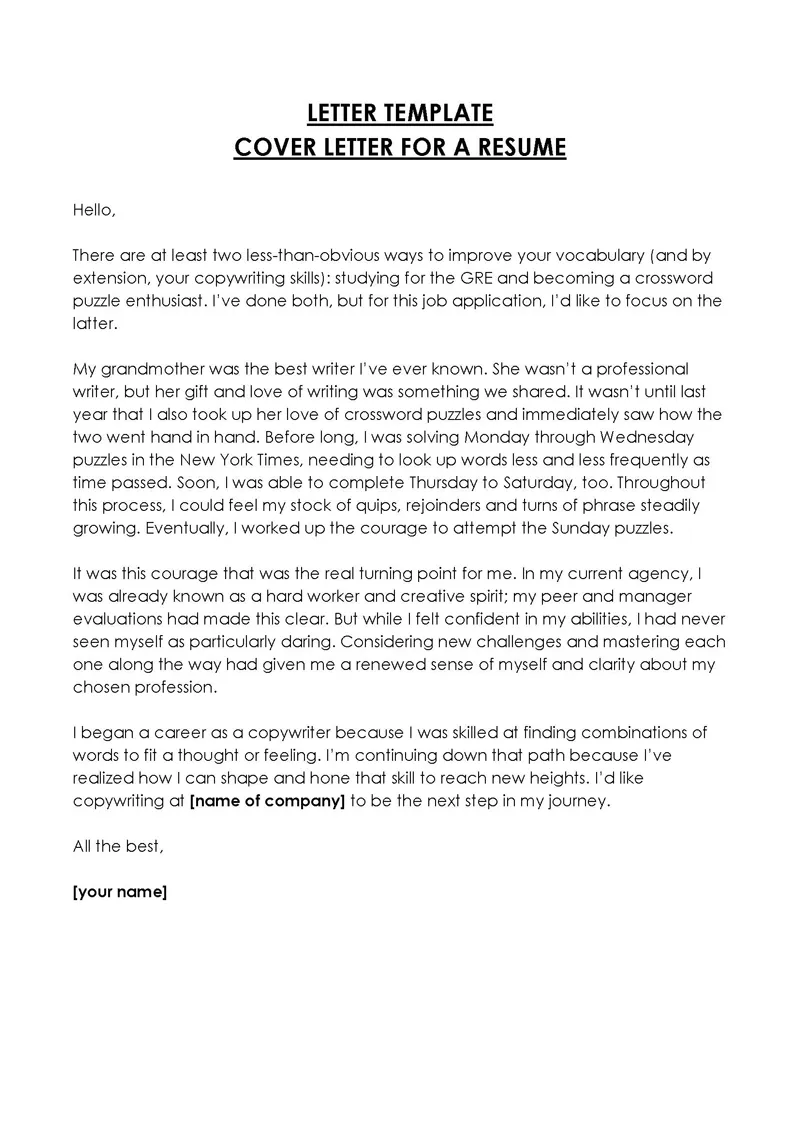
The primary objective of a cover letter is to introduce yourself to the hiring manager and express your interest in a specific role. It provides context to your resume, allowing you to elaborate on relevant skills and experiences. A cover letter should highlight your qualifications, explain why you’re a good fit for the company, and emphasize your enthusiasm for the opportunity. Unlike the resume, the cover letter gives you space to showcase your personality, writing style, and communication skills. Tailoring each cover letter to the specific job and company demonstrates your genuine interest and attention to detail. This personalized approach is critical in making a positive first impression and encouraging the employer to read your resume.
Highlighting Your Skills

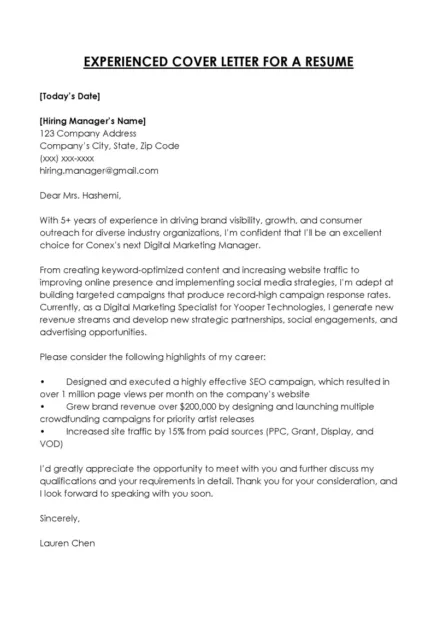
In your cover letter, you should emphasize the skills and experiences that align with the job description. Carefully review the job requirements and identify the key qualifications the employer seeks. Then, provide specific examples of how you have demonstrated those skills in your previous roles. Use action verbs to describe your accomplishments and quantify your achievements whenever possible. For example, instead of saying ‘Managed a team,’ you could say ‘Managed a team of 10 employees, increasing productivity by 15%.’ By connecting your skills to the employer’s needs, you can clearly illustrate your value and suitability for the position. This focused approach helps the hiring manager quickly see why you’re a strong candidate.
Formatting Essentials for Your Cover Letter
Proper formatting is essential for creating a professional cover letter. Start with your contact information, followed by the date and the hiring manager’s name and title. The body of your cover letter should be well-structured, with a clear introduction, several paragraphs highlighting your qualifications, and a concise conclusion. Use a professional font, such as Times New Roman or Arial, and maintain a consistent font size. Keep the letter concise and easy to read, using short paragraphs and bullet points to break up large blocks of text. Proofread carefully for any spelling or grammatical errors, as these can damage your credibility. A well-formatted cover letter reflects your attention to detail and respect for the employer’s time.
Choosing the Right Font
Selecting the appropriate font is a small but important detail in your cover letter. Opt for a professional and easily readable font, such as Times New Roman, Arial, Calibri, or Helvetica. The font size should be between 10 and 12 points. Avoid using overly decorative or unconventional fonts, as they can distract from the content. Ensure that the font is consistent throughout the document, creating a clean and professional appearance. Using a standard font shows that you are detail-oriented and value clarity. The best fonts are those that are easily readable and project a professional image, which is what you want to portray.
Resume Your Professional Summary

Your resume is a concise summary of your professional experience, education, and skills. It provides potential employers with a quick overview of your qualifications. A well-structured resume allows hiring managers to quickly assess whether you meet the job requirements. The resume should be tailored to each job application, highlighting the most relevant skills and experiences. Consider using a clean and easy-to-read format, with clear headings and concise bullet points. The objective of your resume is to showcase your strengths, making you a promising candidate. Tailoring your resume for each application will help you stand out from other job seekers.
Formatting Basics for Your Resume
The format of your resume is crucial for readability and impact. Use clear headings such as ‘Contact Information,’ ‘Professional Summary,’ ‘Skills,’ ‘Experience,’ and ‘Education.’ Organize your content logically, with the most relevant information at the top. Use bullet points to list your responsibilities and accomplishments. This allows employers to quickly scan your qualifications. Choose a professional font and maintain consistent formatting throughout. Avoid using long paragraphs; instead, keep the information concise. A well-formatted resume shows that you’re organized and attentive to detail, which are both sought-after qualities in candidates. Prioritizing these aspects improves your chances of getting noticed.
Contact Information Section
The ‘Contact Information’ section is the first thing a hiring manager will see. Include your full name, phone number, email address, and LinkedIn profile URL (if applicable). Make sure your email address sounds professional; avoid using nicknames or informal language. Double-check that your contact information is accurate and up-to-date. Including a professional headshot is optional but can enhance your resume. This section is crucial because it allows potential employers to contact you. Ensure your contact information is easy to find and clearly visible at the top of your resume. Accurate contact information is essential for your application process, guaranteeing that recruiters can reach you.
Skills Section

The ‘Skills’ section is where you list your technical and soft skills. Divide your skills into categories, such as ‘Technical Skills’ and ‘Soft Skills.’ This makes it easy for the employer to scan your resume. Highlight the skills most relevant to the job you’re applying for. Be honest about your skill level and avoid exaggerating your abilities. Using keywords from the job description will make your resume more likely to get noticed by applicant tracking systems. Include a mix of hard skills (e.g., software proficiency, coding languages) and soft skills (e.g., communication, problem-solving). This section is important because it provides a quick overview of your abilities and qualifications, making you more attractive.
Technical Skills
Include all relevant technical skills in your ‘Technical Skills’ section. List specific software, programming languages, tools, and technologies you’re proficient in. Be specific and avoid general terms, such as ‘computer skills.’ Quantify your proficiency level where possible, e.g., ‘Proficient in Microsoft Excel (advanced functions).’ Match your skills to the requirements of the job. This is a key section. This section allows you to show your capability. Updating this area for each application will significantly increase your chance of landing an interview.
Education and Experience Section
The ‘Education’ and ‘Experience’ sections are the core of your resume. In the ‘Experience’ section, list your work history in reverse chronological order. Include the company name, your job title, dates of employment, and a list of your responsibilities and accomplishments. Use action verbs to describe your achievements and quantify your results whenever possible. In the ‘Education’ section, list your degrees, majors, and the names of the institutions you attended. Include the dates of graduation or attendance. This section allows you to present a chronological overview of your experience and qualifications. Be sure to highlight the most relevant information and tailor the sections to the specific requirements of the job.
Tailoring Your Resume
Tailoring your resume for each job application is crucial for maximizing your chances of success. Carefully review the job description and identify the key skills and experiences the employer is seeking. Then, customize your resume to highlight those relevant qualifications. Use keywords from the job description throughout your resume, including in your summary, skills section, and experience descriptions. Tailoring your resume demonstrates that you understand the employer’s needs and are a good fit for the position. This will increase your visibility. This targeted approach significantly increases your chances of securing an interview.