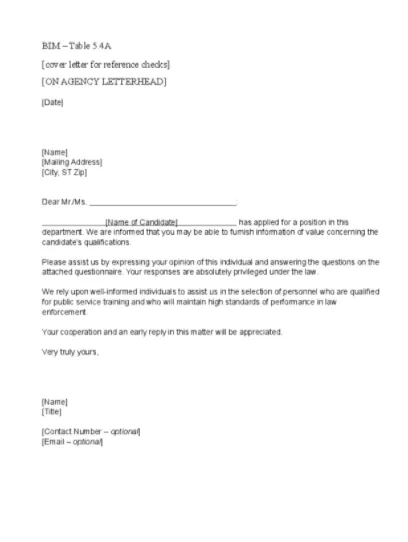
Why Cover Letter References Matter
In the competitive landscape of job applications, every element of your submission contributes to the overall impression you make on a potential employer. While a well-crafted cover letter and resume are essential, cover letter references can significantly enhance your candidacy. Including references allows employers to gain insights into your professional capabilities, work ethic, and personality from individuals who have firsthand experience with you. These references provide an objective perspective that can validate the claims you make in your cover letter and resume, increasing your credibility and chances of securing an interview. References provide valuable validation of your skills, experience, and character. They offer potential employers an independent perspective on your work habits, professional demeanor, and overall suitability for the role. By verifying the information provided in your application, references give hiring managers greater confidence in their hiring decisions.
What to Include in Your Cover Letter References
When including references in your cover letter or as a separate document, it’s crucial to provide complete and accurate information for each reference. This helps the hiring manager to easily reach out to them. You should include the reference’s name, job title, company, phone number, and email address. Additionally, it’s helpful to briefly state your relationship to the reference (e.g., former supervisor, colleague, mentor). Providing this context allows the hiring manager to understand the nature of the reference and the perspective they can offer. It is always a good practice to inform your references when you are applying for a job and that the hiring manager may contact them.
Contact Information

Include the full name of your reference, their current job title, and their company. Accurate and up-to-date contact information is critical. This includes their professional email address and a direct phone number where they can be reached during business hours. It’s advisable to double-check all the contact details to ensure they are correct. This will prevent delays in the hiring process and make it easier for the employer to quickly connect with your references.
Job Title and Company
Always provide the current job title of your reference and the name of their company. This offers context and credibility. A reference with a relevant and senior-level position can carry more weight. Ensure the information is current and reflects their present role. This offers the hiring manager insights into your reference’s professional standing. Always verify these details before submitting your application. A reference’s job title and the company they work for will help the hiring manager understand their authority and professional experience.
Relationship to You
Briefly state your relationship to the reference. This helps the employer understand the context of the reference’s perspective. Examples include ‘Former Supervisor,’ ‘Colleague,’ ‘Mentor,’ or ‘Professor.’ Clarifying the relationship enables the hiring manager to gauge the relevance and potential insights your reference can provide. By clearly outlining how you know each reference, you provide clarity and help build trust with the employer. This transparency adds another layer of credibility to your application.
Formatting Your Cover Letter References

The format you choose to present your references can make a difference in the overall professionalism of your application. While some applicants include references directly in their cover letter, the more common and often recommended approach is to create a separate document. This document typically follows the format of your resume, with your name and contact information at the top. Each reference should be listed with the details mentioned earlier name, job title, company, relationship, and contact information. Always maintain consistency in formatting throughout your application materials. This helps present your application in an organized manner.
Placement of References
If you choose to include references in a separate document, clearly label it ‘References’ or ‘Professional References.’ Place this document after your resume. If you are integrating references into your cover letter, do so towards the end. Keep the list concise and easy to read. Never include more than three to four references. This maintains focus and prevents the hiring manager from being overwhelmed. Be sure to tailor your references to the specific job requirements. Choose references who can best speak to the skills and experiences most relevant to the role.
Font and Style
Use a consistent font and style throughout your cover letter and reference document. This enhances the professional appearance of your application. Stick to a common font like Arial, Calibri, or Times New Roman, with a font size between 10 and 12 points. Keep the formatting clean and easy to read. Maintain consistent spacing and margins. Ensure your documents are free of typos and grammatical errors. Consistency reflects attention to detail, demonstrating your commitment to professionalism.
Top 5 Tips to Impress with Cover Letter References

Providing well-chosen, well-prepared references can significantly boost your chances of landing a job. Your references can be a powerful endorsement. By following these tips, you can ensure your references reflect your best qualities and make a positive impression on potential employers.
Choose the Right References
Select references who know you well and can speak to your strengths and relevant experience. Ideally, choose former supervisors, colleagues, or professors. People who can speak to your work ethic, skills, and personality are most valuable. Ensure the references are individuals who can speak positively about your performance and character. Consider people who can highlight your achievements and contributions in previous roles. Avoid using family members or personal acquaintances unless they have professional experience relevant to the job. The best references are those who can provide objective and verifiable information about your professional capabilities. Also, choose references who are reliable and responsive. Make sure they will respond promptly to inquiries.
Get Permission
Always ask for permission before including someone as a reference. Give them advance notice, and provide them with a copy of your resume and the job description. This allows them to prepare and tailor their responses to the specific role. Informing your references will avoid any awkward surprises. This also shows respect and consideration for their time. By giving them context, you empower them to provide the most relevant and compelling recommendations. Ensure that the references feel comfortable and willing to speak on your behalf. If someone hesitates, consider choosing another reference who is more enthusiastic and supportive.
Proofread Carefully

Before submitting your cover letter and reference list, proofread everything carefully. Check for any spelling errors, typos, or incorrect contact information. Accurate and error-free information demonstrates attention to detail. Typos can make your application appear unprofessional. Double-check that all names, job titles, and company details are accurate. Verify that email addresses and phone numbers are correct. Having accurate information makes it easy for the potential employer to reach out to the references. Proofreading also ensures consistency in formatting and style. It is best practice to have a friend proofread your application materials too.
Provide Context
Provide your references with context about the job you are applying for. Share the job description and the highlights from your resume. Give them specific examples of your skills and accomplishments that align with the job requirements. This ensures your references can speak knowledgeably about your qualifications. By equipping them with the necessary information, you empower them to give strong and relevant recommendations. This also helps them understand the key aspects of the role and allows them to prepare their responses in advance. Provide them with any information regarding the interview process.
Follow Up with Your References
After you have submitted your application, follow up with your references to let them know the potential employer might contact them. Provide them with a timeline and any specific details about the role. This allows them to be prepared for any inquiries. Follow up with a thank-you note after the interview or when you receive the job offer. This is a gesture of appreciation for their support. Keeping your references informed demonstrates respect and ensures they can provide timely and effective recommendations. This follow-up also helps maintain a strong professional relationship. Also let them know the outcome of your job search.
Including cover letter references can significantly increase your chances of getting hired. When including these references, it’s essential to provide complete and accurate information. By following the tips outlined in this guide, you can present your references in the best light. This will help you make a great impression on hiring managers. This strategy will enhance the overall appeal of your job application.