Understanding the Importance of Addressing Your Cover Letter
Your cover letter is your first impression. It’s the initial chance you get to introduce yourself to a potential employer and make a case for why you’re the perfect fit for the job. Often overlooked, the way you address your cover letter can significantly impact how the hiring manager perceives your application. Addressing your cover letter correctly is a crucial step that demonstrates your attention to detail, professionalism, and genuine interest in the position. It shows that you’ve taken the time to research and understand the company and the specific role you’re applying for. Getting this right can set you apart from other applicants who might use generic greetings or, worse, fail to address the letter properly. This initial step can significantly impact whether your application makes it to the next stage or gets overlooked. Therefore, take the time to get it right!
Why Addressing Matters
Addressing your cover letter appropriately is more than just a formality; it’s a strategic move. It shows that you have taken the initiative to learn about the company and who will be reviewing your application. When you address the hiring manager by name, it creates a sense of personalization that grabs their attention. It signals to the hiring manager that you’re not just sending out a generic application but that you’re genuinely interested in the specific opportunity. This personalized approach can dramatically increase the chances of your cover letter getting read thoroughly and considered seriously. It indicates you are proactive and thoughtful, qualities that employers highly value.
Impact on First Impression

First impressions matter, and the way you address your cover letter contributes significantly to that. A well-addressed cover letter conveys a sense of professionalism and respect. It shows you’re meticulous and attentive to detail – crucial qualities for any role. Conversely, using a generic greeting or, even worse, the wrong name, can create a negative first impression. It suggests that you haven’t done your homework and lack attention to detail. A poorly addressed cover letter can be an immediate red flag to hiring managers, leading them to believe that you might not be as thorough or diligent in your work. Therefore, take the time to find the right person!
Enhancing Professionalism
Professionalism is paramount in the job application process. It reflects your commitment to the role and how you will conduct yourself in the workplace. Addressing your cover letter to the appropriate individual is a fundamental aspect of projecting a professional image. It shows that you value the company’s time and respect their hiring process. By addressing your cover letter with the correct title and name, you immediately establish a tone of respect and competence. This sets the stage for the rest of your application, demonstrating that you’re serious about the opportunity and prepared to make a positive contribution. This is a great way to get your foot in the door!
Researching the Right Recipient
The first step to properly addressing your cover letter is to find the correct recipient. This often involves some research. The goal is to identify the hiring manager or the person responsible for reviewing applications for the position you are applying for. This may seem like a simple task, but it’s often the most challenging part of the process. Taking the time to get this right can significantly increase the impact of your cover letter. Avoid generic greetings at all costs!
Using LinkedIn to Find the Hiring Manager

LinkedIn is an invaluable tool in your job search. It allows you to connect with professionals, research companies, and, most importantly, identify the hiring manager. To find the hiring manager, start by searching for the company on LinkedIn. Once you’re on the company page, look for the ‘People’ section. You can use filters to narrow your search based on job titles such as ‘Hiring Manager,’ ‘Recruiter,’ or the specific job title you are applying for. Once you’ve identified a potential candidate, review their profile to confirm their role and ensure they are involved in hiring. If the hiring manager is listed, you’ve found your recipient. Take note of their name and title to ensure your cover letter is correctly addressed. This is a great way to make a personalized impression.
Checking the Company Website
Often, the company website provides direct information on who to address your cover letter to. Look for the ‘Careers’ or ‘About Us’ section. Some companies list the hiring manager or the HR contact for specific positions or departments. Check the job posting itself; sometimes, the name of the hiring manager or the HR contact is included within the details. If the job posting does not provide a name, look for the department or team the position belongs to. You might be able to address your cover letter to the ‘Hiring Team’ or the ‘Marketing Department,’ etc. However, always prioritize finding a specific name. This will make your letter stand out!
When You Can’t Find a Specific Person
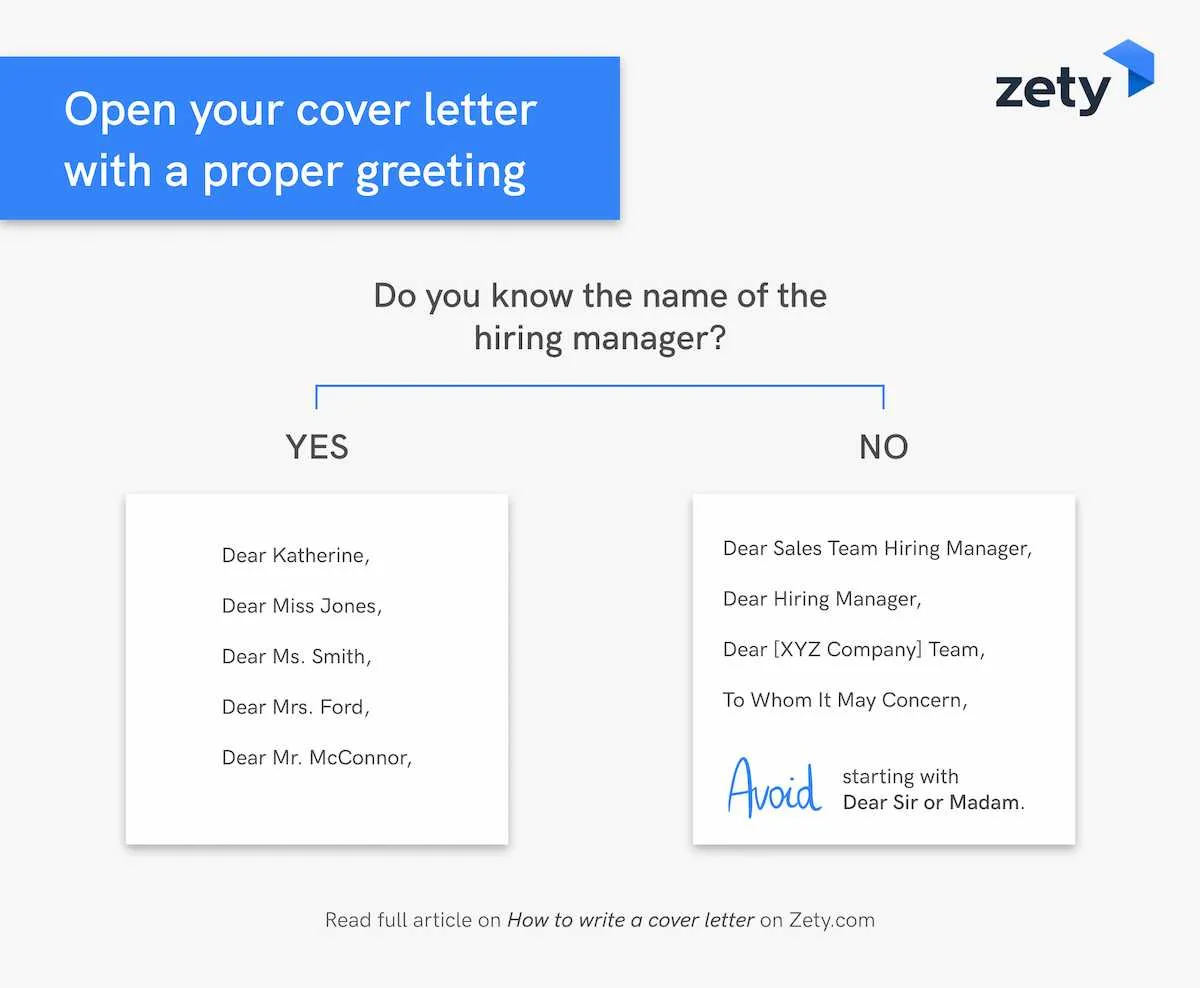
Sometimes, despite your best efforts, you won’t be able to find a specific name. In this situation, you have a few options to consider. The key is to avoid using generic greetings that can make your application appear impersonal. If you cannot find a specific name, you can consider addressing your cover letter to the ‘Hiring Manager,’ or the ‘Recruiting Team.’ Another approach is to address the letter to the department or team the position belongs to, for example, ‘Dear Marketing Team.’ Always be as specific as possible, even if you can’t find a name. Make sure your interest and intention are clear!
Alternatives to ‘To Whom It May Concern’

‘To Whom It May Concern’ is a phrase that should be avoided at all costs. It is impersonal and suggests that you haven’t taken the time to research the company or the specific role. While it may have been acceptable in the past, it now signals a lack of effort. Alternatives include the previously mentioned options ‘Hiring Manager,’ or the ‘Recruiting Team.’ Addressing your cover letter to a specific department or team is a better choice than using a generic salutation. The best approach is to always try to find a specific name, but these alternatives are acceptable when a name is unavailable.
Addressing to a Department or Team
When you can’t find a specific individual, addressing your cover letter to the department or team is a viable alternative. This demonstrates that you understand the structure of the company and are interested in the role. For example, if you’re applying for a marketing position, you might address your cover letter to the ‘Marketing Team.’ If you’re applying for a software engineering role, you could address it to the ‘Engineering Team’ or ‘Software Development Team.’ Before choosing this approach, ensure that it aligns with the company’s culture. Consider whether the team structure is clearly defined and how the department operates. This approach can still show that you care!
Using the Hiring Manager Title
If you are unable to find the specific name of the hiring manager, addressing the letter to ‘Hiring Manager’ can be a solid approach. This still shows you’ve made an effort to personalize your cover letter and is much better than a generic greeting. Make sure to include the correct title. For instance, you might start your letter with ‘Dear Hiring Manager,’ followed by the job title (e.g., ‘Hiring Manager, Marketing Department’). You should also verify the spelling of ‘Hiring Manager’ and the department’s name, if you are including it, to make sure the letter is correct. This is a good alternative that still shows you have taken an interest!
Crafting a Compelling Opening

Once you have correctly addressed your cover letter, the next step is to craft a compelling opening that grabs the reader’s attention. The opening paragraph is your opportunity to make a strong first impression and immediately communicate your interest in the position and the company. The opening should be concise, engaging, and tailored to the specific job and company. This is where you will make your pitch to the hiring manager. The opening paragraph should also highlight your enthusiasm for the role. Ensure your enthusiasm and experience are clear!
Highlighting Your Enthusiasm
Your enthusiasm for the position should be clear from the outset. Let the hiring manager know why you are excited about the opportunity. Mention something specific that attracted you to the role, such as the company’s mission, values, or recent achievements. Expressing your genuine interest in the company and the specific role is a great way to capture the reader’s attention. Highlighting your enthusiasm shows that you’re not just sending out generic applications but are genuinely interested in the opportunity and the company. Show the hiring manager that you care about this position!
Tailoring to the Job Description
Tailoring your cover letter to the job description is essential. Carefully review the job posting and identify the key skills, experiences, and qualifications the employer is seeking. Ensure that your cover letter highlights how your skills and experience align with the specific requirements of the role. This is your opportunity to show how you are the perfect fit for the job. To do this, use the same keywords and phrases from the job description to demonstrate your understanding of the role and the employer’s needs. Personalize your letter so the hiring manager knows you have done your research!
Common Mistakes to Avoid

Avoiding common mistakes is crucial to making a positive impression. Small errors can undermine your application and damage your credibility. Common mistakes can easily be avoided if you take your time. Carefully reviewing and proofreading your cover letter will eliminate potential errors and show the hiring manager you care! There are several common mistakes you should avoid to make sure you appear professional and serious about the position. Avoiding these pitfalls will dramatically increase your chances of success.
Using the Wrong Name
One of the most significant mistakes you can make is using the wrong name. This suggests that you haven’t taken the time to research the hiring manager or the correct contact person. It implies a lack of attention to detail and can damage your application. Always double-check the name before sending your cover letter. If you’re unsure, it’s better to use a title like ‘Hiring Manager’ than to risk using the wrong name. Always do your research before submitting your application!
Incorrect Titles
Similarly, using incorrect titles can create a negative impression. Ensure that you have the correct title for the person you’re addressing. Mistakes in titles show a lack of attention to detail and can undermine your professionalism. If you are unsure of the title, it is always best to verify it through LinkedIn, the company website, or by contacting the company directly. If you can’t verify the title, consider using the general title such as ‘Hiring Manager’. This is much better than using an incorrect title.
Failing to Proofread

Failing to proofread your cover letter is a significant mistake. Typos, grammatical errors, and spelling mistakes can damage your credibility and convey a lack of professionalism. Proofreading is essential to ensure that your cover letter is polished, clear, and error-free. Always proofread your cover letter at least once, and it’s helpful to have someone else review it as well. This will help you catch any errors that you might have missed. Always proofread your cover letter for a professional impression!
Final Tips for Success
To maximize your chances of success, consider these final tips. Research the company and the specific role, personalize your cover letter, and ensure it is well-written and error-free. By following these tips, you can create a cover letter that makes a strong impression and helps you stand out from other applicants. Demonstrating your professionalism, research, and attention to detail will give you a significant advantage. Following these steps is crucial to success!