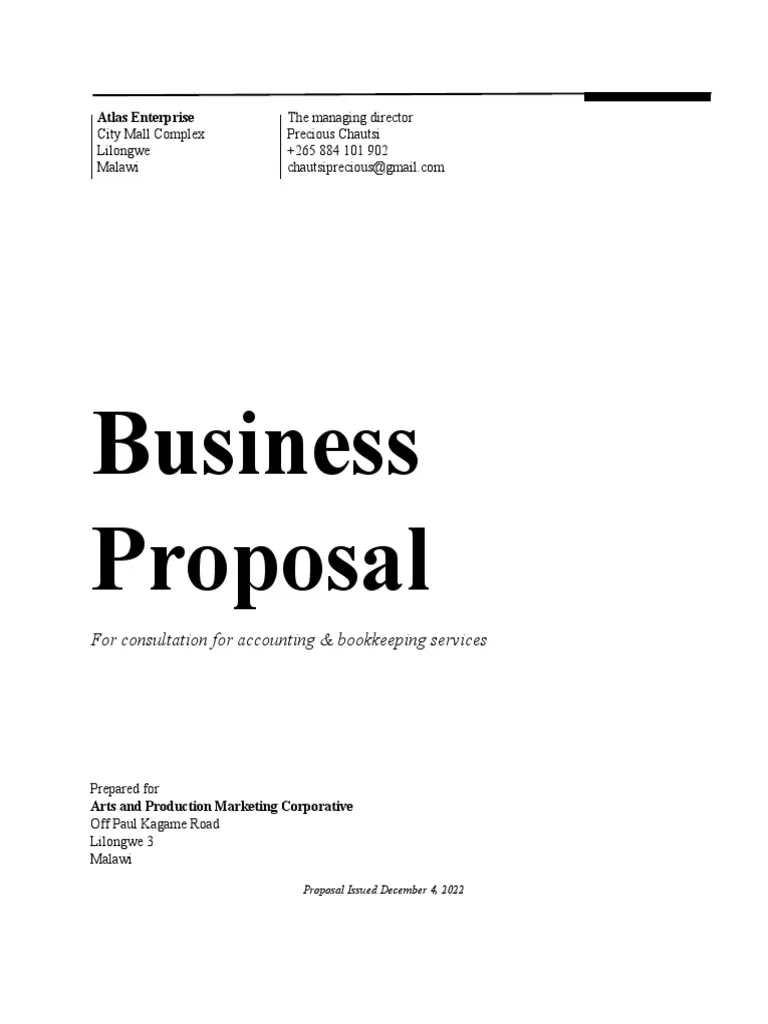
Understanding Proposal Cover Letters
A proposal cover letter is a crucial document that accompanies your proposal, serving as the first point of contact with the potential client or stakeholder. It sets the tone for your entire proposal and provides a concise overview of what you’re offering. Think of it as the handshake before a deal, setting a positive and professional first impression. A well-crafted cover letter increases the likelihood of your proposal being read and seriously considered. It’s your opportunity to demonstrate your understanding of the client’s needs and highlight why your solution is the best fit. Ignoring or underestimating the importance of the cover letter is a common mistake that can significantly reduce your chances of success, regardless of the quality of your proposal itself. Mastering the art of writing an effective cover letter is an investment in your success.
The Purpose of a Proposal Cover Letter
The primary purpose of a proposal cover letter is to introduce your proposal and persuade the recipient to read it. It aims to capture their attention, pique their interest, and encourage them to take action, such as reviewing the proposal and considering your offer. The cover letter showcases your professionalism, attention to detail, and understanding of the client’s needs. It also offers an opportunity to establish a personal connection and build rapport with the reader. Furthermore, it reiterates your understanding of the project, highlights the main benefits of your proposed solution, and expresses your enthusiasm to work on the project. Successfully fulfilling these objectives is essential to moving forward in the proposal process.
Key Components of a Proposal Cover Letter

A compelling proposal cover letter should include specific components to achieve its purpose. First, the letter must clearly state its purpose and what the attached proposal is about. Next, it should concisely summarize the key aspects of the proposal, including the problem you’re solving and the solution you’re offering. It is important to highlight your company’s or your expertise and its relevance to the project or the client’s needs. Expressing enthusiasm and showing your commitment to the project increases your chances to impress the client. Finally, a clear call to action, such as a request for a meeting or a review of the proposal, is crucial. These key components work together to create a persuasive and effective proposal cover letter.
Formatting Your Proposal Cover Letter
Proper formatting is essential for ensuring your proposal cover letter is easy to read and professional-looking. The layout and presentation significantly affect how the recipient perceives your message. A well-formatted letter demonstrates attention to detail and respect for the reader’s time. Adhering to standard business letter formats helps to create a positive first impression, increasing the likelihood that your proposal will be seriously considered. A clean, organized, and professional appearance significantly impacts the perceived value of your proposal. Keep your formatting consistent throughout the letter.
Header and Recipient Information
The header of your proposal cover letter should include your company’s or your contact information (name, address, phone number, and email). This allows the recipient to easily contact you. Include the date, followed by the recipient’s information (name, title, company, and address). This helps personalize the letter and shows that you’ve taken the time to address it correctly. Ensure accuracy with the contact information to avoid any potential communication issues, which demonstrates respect for the recipient.
Salutation and Opening

Start with a professional salutation, such as “Dear Mr./Ms./Mx. [Last Name],” to address the recipient personally. If you don’t know the specific person, use a more general salutation like “Dear [Hiring Manager]” or “To Whom It May Concern.” In the opening paragraph, state the purpose of the letter and briefly introduce the proposal. Mention the project name or the specific need your proposal addresses to help the reader understand the letter’s context quickly. This concise introduction sets the stage for the rest of the letter and immediately informs the reader of what to expect.
Body Paragraphs
The body of your cover letter should contain several concise paragraphs that highlight the key aspects of your proposal. Begin by summarizing the main problem or need your proposal addresses. Then, explain the proposed solution and emphasize its benefits, linking them to the client’s specific goals and objectives. Mention how your skills, experience, or company align with the project requirements. Show your understanding of the client’s business, showing how your approach stands out. Maintain a professional tone throughout and focus on what you can offer the client. Be persuasive and show confidence in your ability to meet their needs.
Call to Action and Closing
The closing paragraph should include a clear call to action, such as inviting the recipient to review the proposal or requesting a meeting to discuss it further. Provide your contact information and express your willingness to answer questions or provide more details. Thank the recipient for their time and consideration. Use a professional closing, such as “Sincerely” or “Best regards,” followed by your name and title. Proofread your letter to make sure it is error-free and reflects a professional image.
Content for Proposal Cover Letters

The content of your proposal cover letter should be tailored to the specific proposal and the client. It should be concise, informative, and persuasive. Emphasize the benefits the client will receive by accepting your proposal. Focus on the key aspects of your proposal and how they align with the client’s needs. The language should be clear and easy to understand, avoiding jargon or technical terms unless necessary. The cover letter is your opportunity to showcase your value and differentiate yourself from the competition. Prioritize what matters most to the client and present the information in a way that is easy to understand.
Highlighting Your Value Proposition
Clearly articulate your value proposition – the unique benefits you offer the client. Explain how your proposal solves their problem, meets their needs, or helps them achieve their goals. Mention specific results, cost savings, or improvements they can expect. Emphasize your unique strengths and how they align with the client’s priorities. To strengthen the case, demonstrate how your approach is better than the alternatives. Use quantifiable data or examples to back up your claims, making your value proposition more compelling and credible. Demonstrate you understand what the client wants.
Summarizing the Proposal
Provide a brief overview of your proposal, highlighting its main points. Focus on the essential elements of the proposal and the core solutions you are offering. Keep the summary concise and easy to understand, making it simple for the reader to grasp the main points. Explain how your proposed solutions meet the client’s needs or solve their problem. The summary allows the client to understand the proposal’s purpose without having to go through the entire document. Focus on what the client stands to gain by reading and accepting your proposal.
Addressing the Client’s Needs

Demonstrate your understanding of the client’s needs, goals, and challenges. Research the client and their business to ensure your proposal is relevant and tailored to their situation. Mention how your proposal addresses the specific needs outlined in their request or identified during your research. Tailoring your proposal will enhance the chances of it being read and accepted. Show that you have listened to the client’s requirements. Ensure that your solutions are aligned with their objectives, demonstrating that you have fully considered their perspective and are focused on their priorities.
Tailoring the Cover Letter
Customizing your proposal cover letter shows that you care about the specific needs of the client. Generic cover letters will appear less engaging. Tailoring is essential to make the letter impactful. Customizing your letter will lead to a better first impression. It makes your letter stand out and will show that you’ve taken the time to address the client’s specific issues and requirements. Tailoring your cover letter is an important investment.
Researching the Client
Before writing your cover letter, research the client and their organization. Learn about their business, industry, recent projects, and any challenges they might be facing. This research will inform your understanding and allow you to personalize the letter and show your relevance to them. Understand their priorities and tailor your proposal to show them how you can solve their issues. Use the client’s website, social media profiles, and industry publications to gather information. Make notes on their goals and needs, which can be addressed in your proposal.
Customizing Your Letter

Tailor the cover letter to the specific client and the project. Mention the client’s name, the project name, and the specific requirements outlined in their request. Highlight how your skills, experience, and services align with the client’s needs and goals. If applicable, refer to any previous communications or discussions you’ve had with the client. Customization makes your cover letter more relevant, showing the client that you understand their unique situation. Customize your letter to get the client interested.
Proofreading and Editing
Proofread and edit your cover letter carefully before sending it. Errors in grammar, spelling, or punctuation can damage your credibility and undermine the effectiveness of your message. Check for clarity, conciseness, and professionalism. Ensure that the tone and language are appropriate for your client and industry. Consider asking a colleague or friend to review the letter for feedback. Make sure the tone is positive and enthusiastic. A well-proofread and edited cover letter is a sign of professionalism and attention to detail, which can make a lasting impression.
Template for Proposal Cover Letter
Here is a basic structure you can adapt to create an effective proposal cover letter. Remember to adjust this template to your specific project and client needs. This framework should help you make a professional impression on your clients. This is a great starting point for all types of proposals. You should modify it to reflect your unique project or offering. Following a template also ensures consistency and helps you organize your thoughts effectively.
Header and Contact Information

Your Name or Company Name Your Address Your Phone Number Your Email Address
Date
Client Information
Client Name Client Title Client Company Client Address
Salutation
Dear Mr./Ms./Mx. [Last Name] or Dear [Hiring Manager],
Body Paragraphs
Paragraph 1 Introductory sentence and the purpose of the letter.
Paragraph 2: Summarize your proposal and highlight key benefits and how you meet the client’s needs.
Paragraph 3: Highlight your company’s or your qualifications and experience. Mention your understanding of the client’s needs or goals.
Paragraph 4: Express enthusiasm and a commitment to the project.
Call to Action and Closing
Call to Action: Ask the recipient to review the proposal, and request a meeting.
Closing: Offer your contact information, express your gratitude, and include a professional closing (Sincerely, Best Regards), and sign with your name and title.
Best Practices for Proposal Cover Letters
Following best practices will help you write effective proposal cover letters. Writing great cover letters is an investment in your time and effort. Using best practices gives you a significant advantage. Applying these practices can also dramatically improve your odds of success. Implement these methods and see how your writing skills increase.
Keeping it Concise
Keep your cover letter concise and to the point, focusing on the most relevant information. Aim for one page or less, making it easy for the recipient to read and understand. Avoid unnecessary jargon or complex language. Highlight only the most important details and benefits. This is especially important, as the reader is likely going to spend only a few minutes reading the cover letter. Make sure that your words are effective and deliver a great impact.
Using Strong Verbs
Use strong and active verbs to make your writing more engaging and impactful. Strong verbs add power to your message, which helps highlight your accomplishments and capabilities. Use action-oriented language to describe your skills, experience, and the results you can deliver. This will help capture the attention of the recipient. This enhances your cover letter’s impact and makes your message more persuasive. Be clear, direct, and compelling in every statement.
Proofreading and Editing
Thoroughly proofread and edit your cover letter for any errors in grammar, spelling, or punctuation. These errors reduce your credibility. Ensure that the formatting is correct and the layout is clean and easy to read. Ask someone else to review your letter for feedback. Taking these steps ensures that your cover letter is polished and professional. Proper proofreading is crucial to a successful outcome, demonstrating attention to detail and respect for the recipient.