Understanding the Importance of a Cover Letter
A cover letter is a crucial part of any job application, serving as your personal introduction to potential employers. For those with limited professional experience, the cover letter takes on even greater significance. It’s your primary opportunity to articulate your value and demonstrate why you’re a strong candidate, even without a traditional work history. This document allows you to showcase transferable skills, academic accomplishments, volunteer work, and personal qualities that demonstrate your potential and enthusiasm. A well-crafted cover letter can set you apart and increase your chances of securing an interview. It allows you to connect with the hiring manager on a personal level.
Why a Cover Letter Matters Even With No Experience
When you’re applying for jobs without direct experience, your cover letter becomes your most powerful tool. It provides a space to explain your lack of traditional work history. More importantly, it allows you to highlight your value and suitability for the role. You can showcase transferable skills, academic achievements, volunteer work, personal projects, and your enthusiasm to demonstrate your potential. The cover letter is the place where you can tell your story and prove that you possess the qualities needed to excel. It shows you are eager to learn and are committed to the job and company. It is a great way to provide more insight into who you are as a candidate.
Highlighting Transferable Skills

Transferable skills are abilities gained in one context that can be applied to another. Even without direct work experience, you’ve likely developed numerous transferable skills through various activities. Think about your involvement in school projects, volunteer work, extracurricular activities, hobbies, and personal projects. These experiences provide chances to develop essential skills like communication, teamwork, problem-solving, time management, and leadership. In your cover letter, identify the key skills the employer seeks and offer specific examples of how you’ve demonstrated them in different contexts. This makes your application more compelling. Make the connection between the skill and what you accomplished.
Identifying and Showcasing Your Skills
To effectively highlight your transferable skills, begin by identifying them. Carefully review the job description and create a list of the skills and qualities the employer is seeking. Then, take inventory of your own skills. Consider your academic achievements, volunteer experiences, extracurricular activities, and any personal projects you’ve undertaken. Think about what you learned and achieved. Provide a concrete example for each skill, using the STAR method (Situation, Task, Action, Result) to provide specific evidence. Be precise and quantify your achievements whenever possible. For example, instead of saying, “I have good communication skills,” you could say, “As the leader of the debate team, I effectively presented arguments to a panel of judges, resulting in a 75% win rate.”
Skills to Emphasize in Your Cover Letter
Certain skills are particularly valuable for entry-level positions and should be emphasized in your cover letter. Communication skills are essential. Showcase your ability to clearly and effectively convey information, both written and verbal. Teamwork and collaboration are also highly valued. Show how you can work effectively with others to contribute to a common goal. Problem-solving skills are very important. Show how you analyze issues, find solutions, and make decisions. Time management and organizational skills are crucial for meeting deadlines and managing tasks. Leadership skills can also be highlighted through examples of projects where you showed initiative or guided others. Tailor your skills to match the specific job requirements.
Researching the Company and the Role

Thorough research is crucial before you begin writing your cover letter. This demonstrates your genuine interest and helps you tailor your letter to the specific needs of the employer. Start by visiting the company’s website and exploring its mission, values, and recent news. Understand the company’s goals and what it stands for. Next, carefully review the job description, noting the key responsibilities, required skills, and desired qualifications. Research the hiring manager or team you’d be working with to personalize your cover letter. The more you learn, the better you can align your letter with the role and the company’s needs.
Tailoring Your Letter to the Job
Generic cover letters rarely make a strong impression. Tailor each cover letter to the specific job. Customize the content to reflect the requirements of the role and the values of the company. Address the specific needs of the employer by using keywords from the job description. Explain why you’re a good fit and how you can contribute. Research the company’s culture and incorporate it into your letter. Show that you understand what the company seeks in a candidate. Personalize your letter by referencing specific aspects of the job description or the company’s mission. This shows you’ve taken the time to understand the role.
Demonstrating Enthusiasm and Passion
Employers want to hire enthusiastic candidates. Your cover letter should express your passion. Demonstrate your enthusiasm through your tone and word choice. Explain what excites you about the position and why you’re drawn to the company. Show that you understand the company’s mission and how your goals align. Showcase your knowledge of the company. By showing passion, you’ll make a strong impression.
Expressing Your Interest

Express your interest directly. State why you’re applying for the position, beyond simply saying you’re interested. Provide specific reasons. Explain what attracts you to the company’s mission, values, or products. Discuss how the role aligns with your career aspirations. Share specific insights you’ve gained through your research. Clearly convey your enthusiasm by using phrases reflecting excitement. For example, say, “I am particularly excited about the opportunity to…” or “I am confident my skills align with the role.”
Structuring Your Cover Letter for Impact
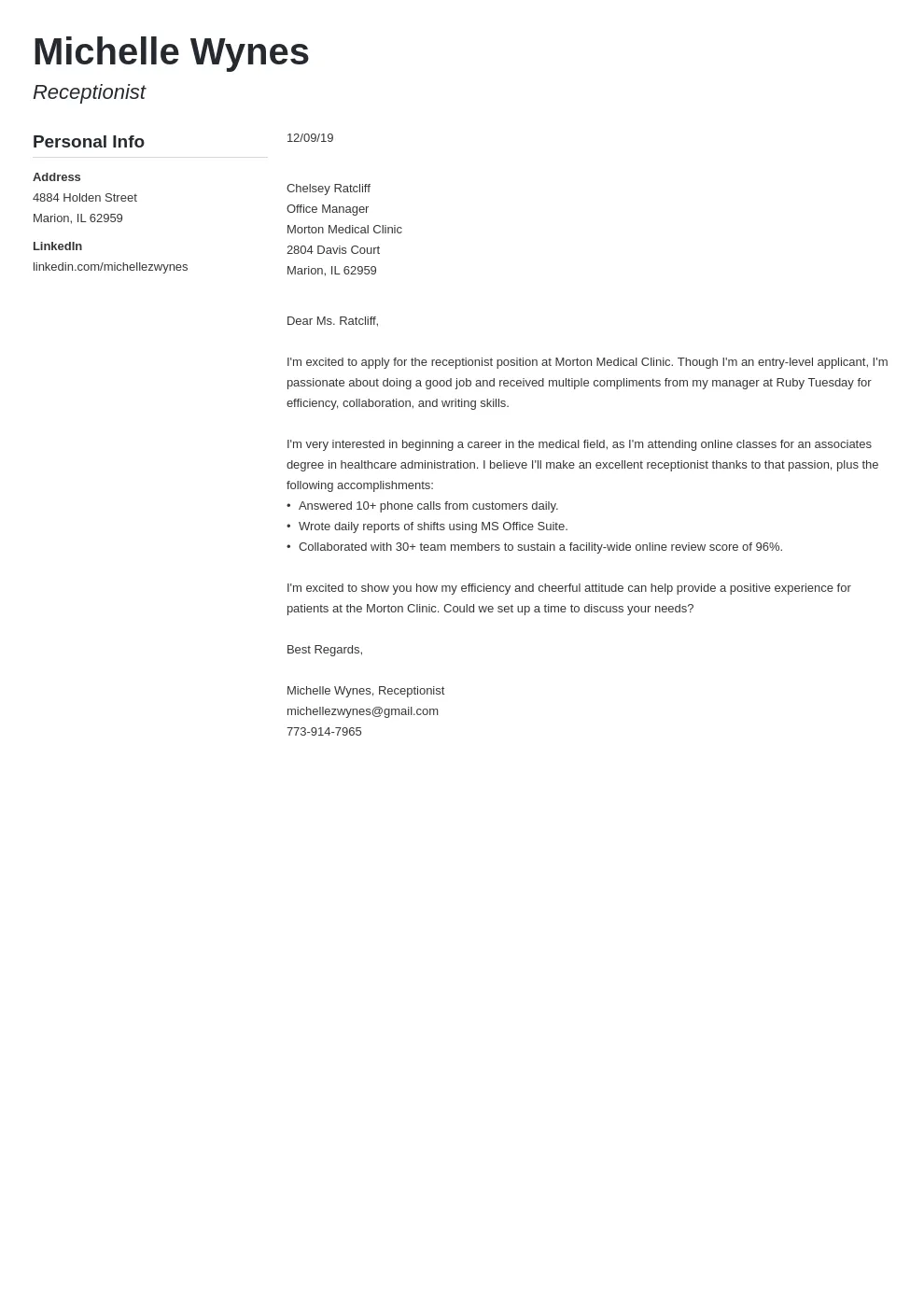
A well-structured cover letter is easy to read. It includes a clear header with your contact information and the date. Address the hiring manager by name if possible. Divide the body into three or four paragraphs. The first paragraph is your introduction, stating the position and key qualifications. The following paragraphs detail your skills and why you’re a good fit. The final paragraph is your conclusion, summarizing your interest. Ensure your letter is well-organized, focusing on a specific aspect in each paragraph. Use clear language and avoid long sentences.
Crafting a Compelling Opening
The opening paragraph should grab the reader’s attention. State the position and where you saw the job posting. Highlight one or two key qualifications. Avoid generic openings. Use an engaging approach by expressing your excitement. Mention something that caught your attention or show how your skills align with their needs. The goal is to show you understand the role.
Body Paragraphs Showcasing Potential

Use the body paragraphs to make your case. Showcase your skills and qualifications. Use the STAR method (Situation, Task, Action, Result). Describe the situation, task, actions, and the result. Focus on transferable skills, academic achievements, and volunteer work. Quantify your achievements. Tailor your body paragraphs to the job requirements. Use keywords from the job description.
Creating a Strong Closing
The closing is your final opportunity to impress. Summarize your interest and reiterate your enthusiasm. Thank the hiring manager. Express your eagerness to learn more and contribute. Include a call to action, such as requesting an interview. The closing should be professional and tailored to the job.
Proofreading and Refining Your Cover Letter
Proofread your cover letter carefully. Errors undermine your credibility. Review your letter multiple times. Read it aloud. Use grammar and spell-checking tools. Ask a friend or career counselor to review your letter. Ensure the letter is well-formatted.
Common Mistakes to Avoid

Avoid generic cover letters. Tailor each letter to the job. Don’t just reiterate the resume. Avoid spelling, grammar, and punctuation errors. Avoid long sentences. Focus on your strengths. Avoid clichés and include a call to action.
Getting Feedback on Your Cover Letter
Get feedback. Ask friends, family, career counselors. Provide the job description. Ask about the structure, clarity, and conciseness. Be open to feedback. The goal is to create a compelling cover letter.