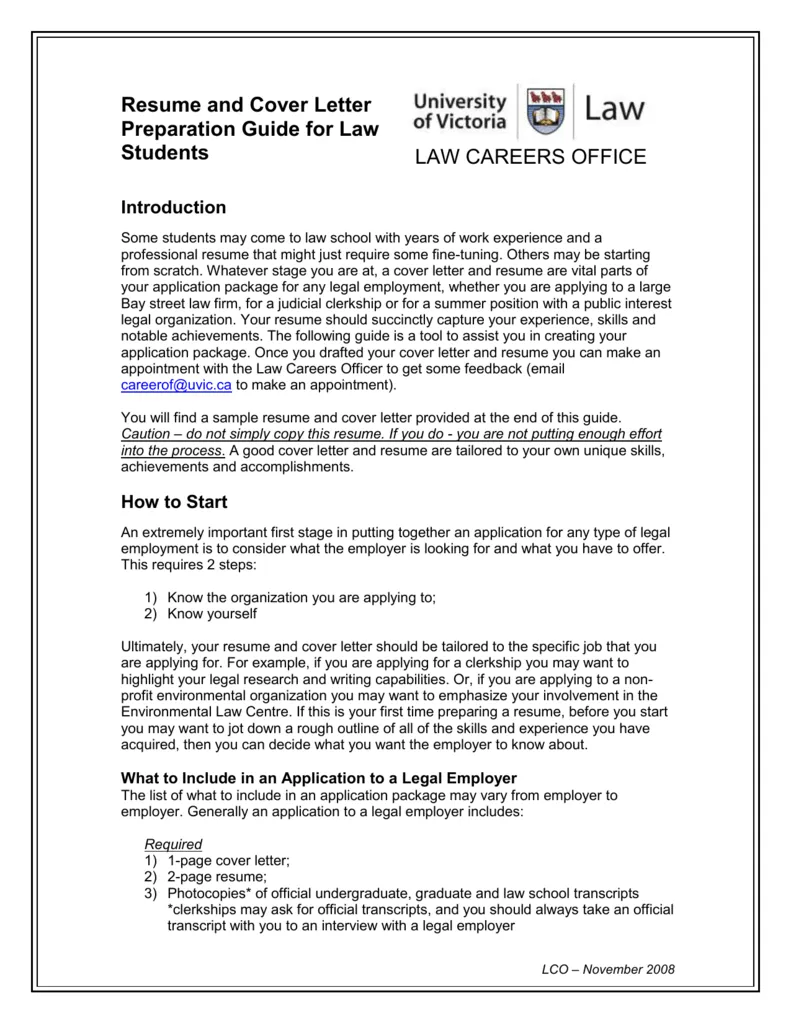
As a law graduate, you’ve invested significant time and effort in acquiring legal knowledge and skills. You’re now at the crucial stage of entering the professional world, and a compelling cover letter is your primary tool for making a strong first impression. A well-crafted cover letter acts as your personal introduction, supplementing your resume and providing a narrative that showcases your qualifications, enthusiasm, and suitability for a specific role. It is your opportunity to highlight your unique selling points and demonstrate your understanding of the employer’s needs. In a competitive job market, a standout cover letter can be the difference between landing an interview and being overlooked. This guide is designed to equip you with the essential knowledge and strategies needed to create an effective cover letter that will significantly enhance your chances of success.
Why a Strong Cover Letter Matters for Law Graduates
The legal profession values precision, attention to detail, and strong communication skills. A cover letter is your chance to exhibit these qualities before an interviewer even meets you. It allows you to go beyond the basic information in your resume and explain why you are the ideal candidate for a specific position. A well-written cover letter tells a story that showcases your passion for law, your relevant experiences, and your understanding of the employer’s needs. Unlike a resume, a cover letter allows you to demonstrate your writing ability, which is critical for lawyers. It allows you to highlight your achievements and skills in a way that a resume, with its condensed format, often cannot. A compelling cover letter conveys your personality, your enthusiasm, and your understanding of the job requirements, all of which can influence the recruiter or hiring manager.
Highlighting Your Legal Education and Skills
Your legal education forms the foundation of your professional capabilities. Your cover letter is the perfect platform to demonstrate how this foundation aligns with the specific requirements of the job. Mention your law school, the year of graduation, and your degree (e.g., Juris Doctor). If you have any specializations (e.g., corporate law, criminal law, environmental law), be sure to include these. These details immediately inform the hiring manager about your area of expertise. Highlight relevant coursework, projects, or research that align with the job’s requirements. For example, if the job involves contract law, mention any courses or projects related to contract drafting, negotiation, or litigation. Focus on what you learned and how it prepared you for the demands of the role. Furthermore, if you have participated in any clinics, moot court competitions, or law review, include this information too. These are great indicators of your practical legal skills and analytical capabilities.
Key Skills to Showcase in Your Cover Letter

The legal profession relies heavily on a specific set of skills. These include legal research, analytical thinking, persuasive writing, attention to detail, and oral advocacy. When you write your cover letter, integrate these skills into your narrative. Describe a situation where you used your legal research skills to find a critical precedent that helped win a case, or where you used analytical skills to develop a strong legal argument. If you have experience in drafting legal documents, such as contracts or pleadings, mention this and emphasize your proficiency in these areas. Moreover, effective communication is essential for lawyers. Showcase your writing skills by writing clear, concise, and professional language. Use examples to demonstrate your ability to analyze complex information, make persuasive arguments, and communicate effectively with various audiences. Finally, highlight soft skills such as teamwork, problem-solving, and time management.
Structuring Your Cover Letter for Maximum Impact
The structure of your cover letter is just as crucial as its content. An organized and well-structured cover letter makes it easier for the reader to understand your qualifications and highlights your key strengths. Use a standard business letter format and keep it concise, generally no more than one page. This demonstrates your respect for the reader’s time and emphasizes your ability to communicate effectively. The key elements include a header with your contact information, a formal salutation, a compelling introduction, body paragraphs that elaborate on your qualifications, and a strong closing paragraph that includes a call to action.
Header and Contact Information
Start with your full name, address, phone number, and email address at the top of the page. Ensure your email address is professional. Include the date and the recipient’s name and title (if known), as well as the company’s name and address. This information establishes a professional tone and provides the essential details for the employer to contact you.
Opening Paragraph Hooking the Reader

Your opening paragraph should immediately grab the reader’s attention. State the position you’re applying for and how you found the job listing. Briefly highlight your key qualifications and express your enthusiasm for the position. Instead of starting with a generic opening, try to personalize the letter by referencing something specific about the company or the role. This will show your interest and your knowledge of the firm. A compelling opening will encourage the hiring manager to read the rest of your letter and learn more about your qualifications and experience.
Body Paragraphs Showcasing Your Qualifications
This section is the meat of your cover letter. Elaborate on your key qualifications, skills, and experiences that align with the job requirements. Use specific examples to demonstrate your accomplishments, quantifying your achievements whenever possible. Instead of just listing your skills, describe how you used those skills in specific situations and what the outcomes were. Highlight your relevant experience and explain why it makes you a strong candidate for the position. Relate your experiences to the job description by using keywords and phrases. This demonstrates that you have carefully considered the requirements of the job and tailor your application specifically. The body paragraphs will tell a story that demonstrates your capabilities.
Closing Paragraph and Call to Action
The closing paragraph should reiterate your interest in the position and summarize your key qualifications. Express your enthusiasm for the opportunity and restate your desire to contribute to the company. Include a call to action, such as requesting an interview or mentioning your availability to discuss your application further. Thank the reader for their time and consideration, and include a professional closing such as “Sincerely” or “Respectfully”. By including a call to action, you make it clear that you want to take the next steps.
Tailoring Your Cover Letter to the Job

Customizing your cover letter for each job application is vital. Generic cover letters often fail to impress hiring managers because they show a lack of attention to detail and understanding of the job’s requirements. Always tailor your cover letter to each specific job by carefully reviewing the job description and identifying the key skills and experiences the employer is seeking.
Researching the Employer
Before writing your cover letter, research the employer. Understand their mission, values, and recent activities. This demonstrates your genuine interest in the company and shows that you are not just applying for any job. You can often find this information on the company’s website, in news articles, or on their social media pages. Use this information to tailor your cover letter and show how your skills and experiences align with their goals. Mention specific projects, clients, or initiatives that resonate with you. Demonstrate that you’ve done your homework and that you understand the firm’s business model.
Matching Your Skills to the Job Description
Carefully analyze the job description to identify the key skills, qualifications, and experiences the employer is looking for. Highlight those skills and experiences in your cover letter and provide specific examples to demonstrate your abilities. Use keywords and phrases from the job description to show that you meet the requirements. Be sure to match your skills to the job responsibilities. Tailoring your cover letter to the job description shows the hiring manager that you have a clear understanding of the role and that you are a good fit for the position. Demonstrating that you have tailored your letter increases your chances of an interview.
Proofreading and Editing Your Cover Letter

Attention to detail is very important in the legal profession. Proofreading and editing your cover letter is very important. This includes checking for grammar, spelling, punctuation, and formatting errors. Such errors will reflect negatively on your professionalism. Have someone else review your cover letter. A fresh pair of eyes can easily spot errors that you may have missed. Ask a friend, family member, career counselor, or professor to review your cover letter for clarity, grammar, and style. Ensure the cover letter is clear and concise and that the tone is appropriate for the job you are applying for. You should also check for consistency in your formatting throughout the entire document.
Common Mistakes to Avoid
There are many mistakes that you want to avoid. Do not use generic or impersonal language. Avoid clichés or overly formal phrases. Never misspell the employer’s name or the name of the company. Do not submit a cover letter that is too long. Make sure your tone matches the professional tone of the company. Do not include irrelevant information. Avoid using jargon or slang. Ensure that you customize the letter for each job application. Generic cover letters often fail to make a positive impression. Do not include any negative information. Finally, always proofread and edit the letter. These mistakes can undermine the quality of your application and decrease your chances of getting an interview.
Seeking Feedback
Seeking feedback on your cover letter is essential to ensure that it is polished, effective, and error-free. Ask for feedback from people who are familiar with the legal profession. Career counselors, professors, and experienced lawyers can offer valuable insights and suggestions. They can assess your cover letter’s clarity, organization, content, and overall impact. Incorporate the feedback and make the necessary revisions to enhance your cover letter. This shows that you are proactive and committed to presenting your best self. Be open to constructive criticism and view feedback as an opportunity to improve your application. Revising your cover letter will enhance your chances of getting an interview.
Crafting a compelling cover letter is a crucial step in your job search as a law graduate. By understanding the importance of a strong cover letter, highlighting your legal education and skills, structuring your letter effectively, tailoring it to each job, and proofreading carefully, you can significantly improve your chances of securing an interview and ultimately landing your dream job. Remember to showcase your unique strengths and express your passion for law. Good luck with your job search.