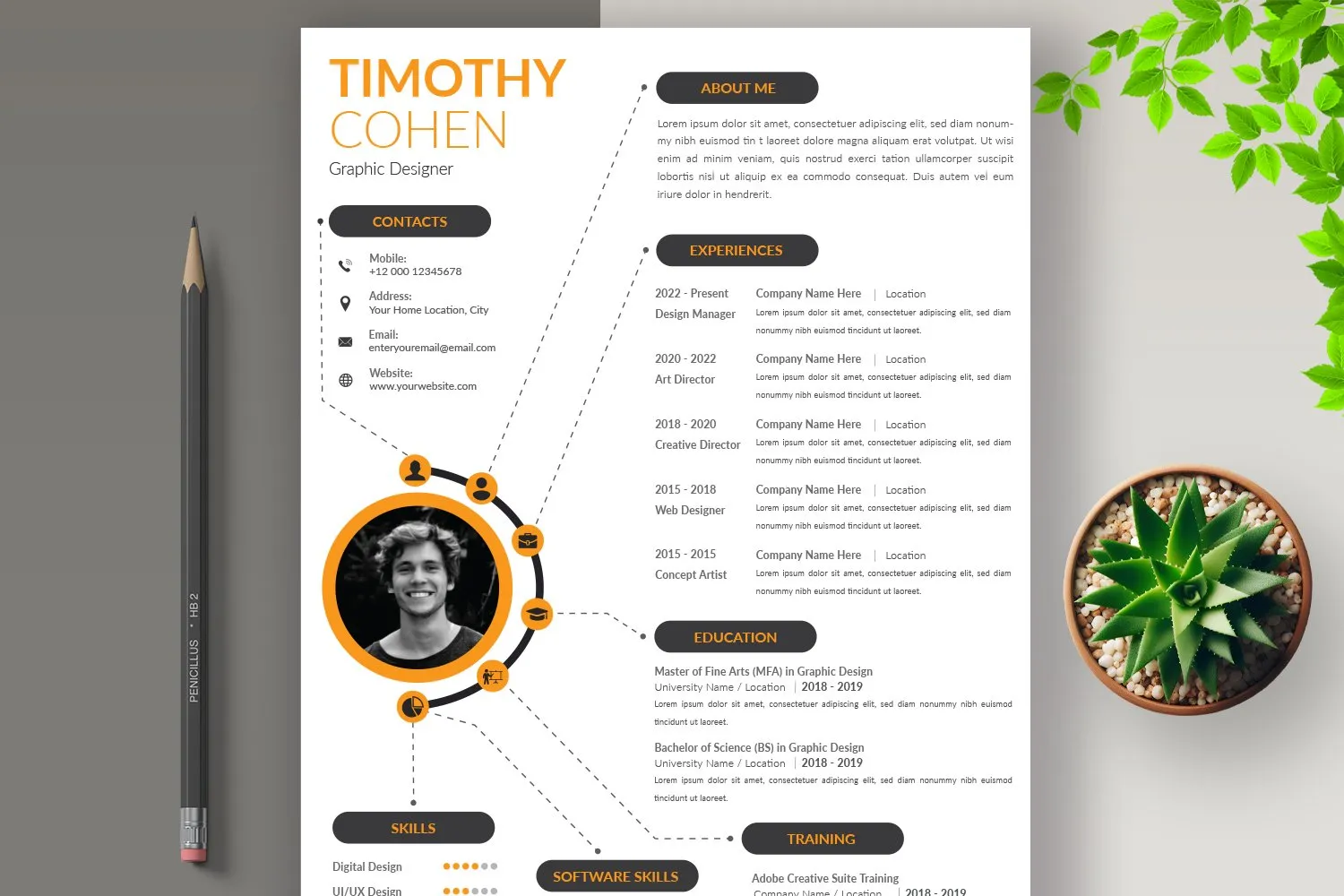
Understanding the Power of a Cover Letter
In the competitive world of job applications, a well-crafted cover letter is your key to unlocking new opportunities. It’s your chance to make a strong first impression and distinguish yourself from other candidates. A cover letter is more than just a formality; it’s a powerful tool that allows you to showcase your personality, enthusiasm, and suitability for a specific role. Many job seekers underestimate the impact a compelling cover letter can have on the hiring manager, often resulting in missed opportunities. This document allows you to tell a story, providing context to your resume and highlighting the skills and experiences that make you the ideal candidate. By understanding its significance, you can begin to leverage the cover letter to enhance your career prospects and stand out in a crowded job market. The effort you put into crafting a winning cover letter will significantly increase your chances of landing an interview and ultimately, the job you desire.
What Is a Cover Letter
A cover letter is a one-page document that accompanies your resume when applying for a job. It serves as an introduction, providing a brief overview of your qualifications, skills, and experience while expressing your interest in a specific position. Unlike a resume, which offers a factual account of your work history, a cover letter allows you to highlight your personality, articulate your career goals, and explain why you’re a perfect fit for the role and the company. It’s a chance to elaborate on your achievements and provide examples of how you’ve demonstrated relevant skills. The primary function of a cover letter is to persuade the hiring manager to read your resume and consider you for an interview. It should be tailored to each job application, demonstrating a clear understanding of the company’s needs and the specific requirements of the position. The most effective cover letters are concise, engaging, and customized to showcase how your unique qualifications align with the role’s demands.
Why Cover Letters Are Important

Cover letters are essential tools in a job application because they provide a vital opportunity to contextualize your qualifications and express your enthusiasm for the role. They give you a chance to explain career gaps, career transitions, or other aspects of your professional journey that may not be immediately apparent from your resume. The cover letter allows you to showcase your communication skills, writing ability, and attention to detail. A well-written cover letter indicates to the hiring manager that you have taken the time to understand the job requirements and the company’s culture. Moreover, it enables you to highlight key accomplishments and quantify your achievements, making a strong case for your candidacy. It’s a great way to demonstrate genuine interest and a willingness to go the extra mile in the application process. In a competitive job market, a cover letter can set you apart from other applicants, making you more memorable and increasing your chances of getting an interview, ultimately leading to securing the job.
Key Components of a Cover Letter
Contact Information and Date
At the top of your cover letter, include your contact information and the date. Your contact details should include your full name, phone number, email address, and optionally, your LinkedIn profile URL. Ensure your contact information is accurate and up to date. The date should be the current date when you send your application. This section provides the hiring manager with easy access to your contact information if they decide to reach out to you for an interview or further correspondence. Proper formatting and presentation are crucial here, as this section is usually the first thing the reader sees and sets the tone for the rest of the letter. Make sure it’s clean, easy to read, and professionally aligned. Double-check for errors to ensure your contact information is correct to avoid missing important communication.
Greeting and Salutation

The greeting sets the tone for your cover letter and is an important element to create an immediate positive impression. Whenever possible, address your cover letter to a specific person, such as the hiring manager or the recruiter. If you can find the name, research the company website, LinkedIn, or the job posting. Use a formal greeting, such as “Dear Mr. / Ms. [Last Name]” which demonstrates respect and professionalism. If you cannot find a specific name, you can use a general greeting like “Dear Hiring Manager” or “Dear [Company Name] Team”. Avoid generic greetings like “To Whom It May Concern,” which can make your letter feel impersonal. Always make sure you spell the name correctly, as it shows attention to detail and respect. The greeting should be followed by a colon, setting a professional tone. A well-crafted greeting immediately makes the letter more engaging and establishes a professional and respectful relationship with the reader.
Body Paragraph 1 Addressing the Job
The first body paragraph should clearly state the position you are applying for and how you learned about the opportunity. Mention where you saw the job posting (e.g., LinkedIn, company website, job board), demonstrating your initiative in seeking the position. Briefly express your interest in the role and why you are excited about it. This is your chance to convey your genuine enthusiasm for the company and the specific job requirements. Show that you’ve researched the company and understand its mission, values, and goals. Explain why the company resonates with you, and how your professional aspirations align with theirs. This paragraph sets the stage, providing a brief overview of your intention and demonstrating a clear understanding of the job description. The goal is to capture the hiring manager’s attention and to encourage them to keep reading and learn more about your qualifications. A strong first paragraph is crucial, establishing an engaging tone and making a positive first impression, making the reader want to read on.
Body Paragraph 2 Showcasing Skills and Experience
In the second paragraph, focus on showcasing your relevant skills and experiences. Select 2-3 key skills or experiences that align with the job requirements. Use specific examples from your work history to illustrate your abilities and achievements. Instead of just listing your skills, provide context by explaining how you used those skills to achieve specific outcomes. For example, if the job description mentions project management, provide an example of a project you successfully managed, what challenges you faced, and what results you achieved. Quantify your achievements whenever possible, using numbers and data to demonstrate your impact. Consider using the STAR method (Situation, Task, Action, Result) to structure your examples. This method helps you create clear and compelling narratives that showcase your contributions. The goal is to convince the hiring manager that you have the necessary qualifications and that you are a strong fit for the role. Tailor this section to match the job description, highlighting skills and experiences that are most relevant.
Body Paragraph 3 Expressing Enthusiasm and Fit

In the third body paragraph, you can connect your skills and experience with the company culture and the specific goals of the role. Briefly reiterate your enthusiasm for the position, emphasizing why you believe you are a good fit for the organization. Demonstrate your understanding of the company’s mission, values, and recent achievements. Explain how your personal and professional goals align with the company’s objectives. Highlight what excites you about the prospect of joining their team. Show the hiring manager that you have thought about what you can bring to the table and why this role is the perfect opportunity for you. If possible, mention something specific that resonated with you about the company or the job. Expressing genuine enthusiasm can help you stand out from other candidates. This paragraph provides the perfect opportunity to solidify your interest in the company and show the hiring manager that you are not only qualified but also enthusiastic and aligned with the company’s mission and values.
Closing and Call to Action
The closing paragraph should restate your interest in the position and express your eagerness to hear back from the hiring manager. Thank the reader for their time and consideration, showing respect for their effort in reviewing your application. Include a call to action by inviting them to contact you for an interview or further discussion. Make it easy for them to take the next step by providing your contact information again. Keep the closing brief and professional, and ensure that your tone remains enthusiastic and positive. Your goal is to conclude in a memorable way, leaving a lasting impression. Example: “Thank you for considering my application. I am excited about the opportunity to contribute to your team and look forward to the possibility of discussing my qualifications further. Please feel free to contact me at your convenience.” End the letter with a formal closing, such as “Sincerely” or “Best regards,” followed by your name. The closing should be professional, encouraging and memorable.
Formatting Your Cover Letter
Font and Readability

Choose a professional and easy-to-read font, such as Times New Roman, Arial, Calibri, or Georgia. Keep the font size between 10 and 12 points to ensure readability. Use a consistent font style throughout your cover letter. Avoid using excessive font variations or decorative fonts that can make your letter difficult to read. Ensure a good balance of white space to prevent the document from appearing cluttered. Use 1-inch margins on all sides of the page. Double-space between paragraphs to improve readability. Use bolding and italics sparingly, and only when necessary to highlight important information. The overall goal is to create a clean and visually appealing document that is easy for the hiring manager to scan and understand quickly. The chosen font should be legible and the overall presentation should be professional, making it easy for the reader to focus on the content and not the formatting.
Length Considerations
Aim to keep your cover letter concise and focused, generally one page in length. This shows respect for the hiring manager’s time. Avoid exceeding one page, as recruiters and hiring managers often have to read many cover letters. Keep your paragraphs short and to the point to maintain engagement. Avoid wordiness by using clear, concise language. Focus on highlighting the most relevant information and the key skills and experiences that match the job requirements. Summarize your qualifications and achievements rather than providing a detailed account of every single experience. Be selective about the details you include, ensuring that everything you write is relevant to the specific job you’re applying for. Prioritize quality over quantity; a well-written, concise letter will be more effective than a lengthy one filled with unnecessary details. The goal is to make a strong impression without overwhelming the reader with too much information.
File Format
Save your cover letter in a universally compatible file format, such as PDF (Portable Document Format). PDF files retain the formatting and layout of your document, ensuring that your cover letter looks the same on any device. Avoid using file formats like DOC or DOCX unless specifically requested, as these can sometimes cause formatting issues. Name your file in a professional and easily identifiable manner, such as “Your Name_CoverLetter_JobTitle.” This helps the hiring manager quickly find your document among others. Double-check that the file opens correctly and that all the formatting appears as intended before submitting. Always include your cover letter with your resume and any other required documents to maintain a professional image. Ensuring that your cover letter is in PDF format guarantees that it will be displayed correctly, making a positive impression on the hiring manager, and streamlining the application process.
Tips for Writing a Winning Cover Letter

Research the Company
Thoroughly research the company and the specific job you are applying for before writing your cover letter. Understand the company’s mission, values, and recent achievements. Visit the company’s website, read news articles, and check their social media profiles. This will allow you to tailor your cover letter to the company’s specific needs and demonstrate your genuine interest. Identify the company’s key goals, products, and services. By understanding the company, you can better articulate how your skills and experience align with their needs. Mention specific projects or initiatives that resonate with you and explain why you want to be part of their team. Demonstrating that you’ve done your homework shows your initiative, enthusiasm, and a genuine desire to contribute. A well-researched cover letter demonstrates to the hiring manager that you are not just sending out generic applications, but that you have carefully considered the company and the role.
Tailor to the Job Description
Carefully review the job description and tailor your cover letter to match its requirements. Identify the key skills, experiences, and qualifications the employer is seeking. Use keywords from the job description throughout your cover letter. Highlight the skills and experiences that are most relevant to the position, providing specific examples of your achievements. Explain how your qualifications align with the role’s needs, and demonstrate how you can contribute to the company’s success. Be specific about the skills and experiences the employer is looking for. Avoid simply repeating the job description. Instead, show how your skills and achievements meet the requirements. Tailoring your cover letter to the job description ensures that your application is relevant and demonstrates your understanding of the position’s demands. This approach increases your chances of getting an interview by showing the employer you’ve taken the time to understand the role and the company’s requirements.
Highlight Achievements with Numbers

Use quantifiable achievements to demonstrate your impact. Whenever possible, use numbers and data to illustrate your accomplishments. Instead of saying “Improved customer satisfaction,” say “Increased customer satisfaction by 15% through implementing a new feedback system.” Providing specific results makes your claims more credible and shows the tangible value you can bring to a new role. Use metrics such as percentages, dollar amounts, or other measurable outcomes to support your statements. This approach helps the hiring manager immediately understand the impact of your work. For instance, mention how you increased sales revenue or improved efficiency. The more concrete the evidence, the more compelling your cover letter will be. This helps you stand out from other applicants, and makes it easier for the hiring manager to see the specific benefits of hiring you.
Proofread Carefully
Proofread your cover letter multiple times to catch any errors in grammar, spelling, and punctuation. Errors can damage your credibility and leave a negative impression on the hiring manager. Use spell-check and grammar-check tools, but don’t rely on them entirely. Read your cover letter aloud to check for awkward phrasing or other issues. Have a friend, family member, or career counselor review your cover letter for accuracy and clarity. Ensure your cover letter is free of typos, grammatical errors, and formatting issues. Paying attention to detail shows your professionalism and attention to detail, which are important qualities for any job. Proofreading can significantly enhance the effectiveness of your cover letter by ensuring that it is polished and error-free, giving you the best chance of making a positive impression.
Essential Cover Letter Do’s and Dont’s
Dos
- Customize your cover letter for each job application
- Use a professional tone and format
- Highlight your most relevant skills and experiences
- Quantify your achievements with numbers
- Showcase your enthusiasm for the role and company
- Proofread carefully for errors
Dont’s
- Send generic cover letters
- Use jargon or overly complex language
- Exceed one page in length
- Repeat your resume verbatim
- Include irrelevant information
- Make grammatical or spelling errors
Example Cover Letter and Templates
Reviewing examples and templates can provide helpful guidance when writing your cover letter. There are many excellent examples of cover letters available online that you can use as a starting point. Pay attention to how the examples are structured and how they highlight the candidate’s skills and experiences. Remember to tailor your cover letter to each specific job and company. Make sure any templates you use are adaptable, so that they reflect your unique skills and experience. Use these examples to help organize your thoughts, craft compelling content, and tailor your cover letter to the specific job application.
Cover Letter Template
A good cover letter template provides a framework for your letter, making it easier to structure your thoughts and create a well-organized document. It should provide spaces for your contact information, the date, the hiring manager’s name (if known), a greeting, a body paragraph outlining your interest and qualifications, a body paragraph that showcases your skills and experience, another body paragraph emphasizing your fit and enthusiasm, a closing and call to action, and a professional sign-off. Remember to customize the template to fit the job you are applying for by tailoring the content to the specific requirements. Your goal is to adapt the template to your individual situation and ensure your skills, experience, and enthusiasm shine through.
Final Thoughts on Cover Letters
A well-crafted cover letter is an essential tool for any job seeker, offering a vital opportunity to make a strong first impression. By understanding the key components, formatting guidelines, and essential tips, you can create a cover letter that effectively showcases your qualifications and enthusiasm. Remember to tailor your cover letter to each job, highlight your achievements, and proofread carefully. Your cover letter is your chance to stand out from the competition and get an interview. By following these guidelines and consistently practicing, you will improve your chances of securing your ideal job. Investing time and effort in your cover letter is a valuable investment in your career. It is a great way to not only impress the hiring manager but also increase your chances of being considered for the job and potentially landing your dream role.