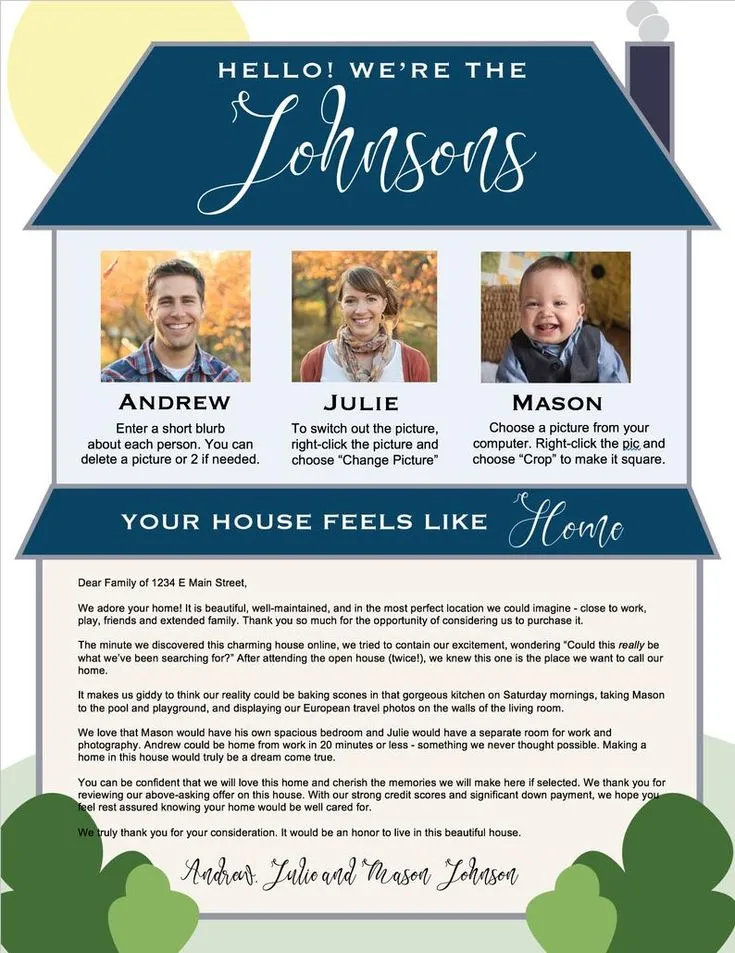
Crafting a Winning Cover Letter
In the competitive world of real estate, making a strong first impression is crucial. While your house offer speaks volumes, a well-crafted cover letter can be the deciding factor in securing your dream home. It’s your opportunity to connect with the seller on a personal level, highlight your strengths as a buyer, and ultimately, win the deal. This guide will provide you with the essential strategies and techniques to create a compelling cover letter that sets you apart from the competition, increasing your chances of offer acceptance. It’s not just about the price; it’s about showcasing why you are the perfect buyer for their property. Let’s dive into how to craft a cover letter that will make your house offer irresistible.
Why a Cover Letter Matters
In a market saturated with offers, a cover letter offers a human element. It transcends the numbers and speaks to the seller’s emotions and desires. Sellers often have sentimental attachments to their homes, and a cover letter allows you to acknowledge and appreciate that. It gives you the chance to demonstrate you’re more than just a number on a spreadsheet, showing that you understand the significance of their decision. Your ability to make this emotional connection with the seller often tips the scales in your favor. A cover letter provides insights into your character, your intentions for the property, and your commitment to a smooth transaction. In short, it helps you become more than just an offer; it helps you become the right offer.
Making Your Offer Stand Out

A generic offer might blend in with the rest, but a strategically written cover letter can make yours shine. This is where you can articulate your understanding of the property’s value and the seller’s needs. By addressing the seller’s perspective and highlighting your strengths, you can build trust and rapport. A cover letter allows you to emphasize aspects of your offer beyond the price, such as a flexible closing date, a willingness to accommodate the seller’s timeline, or a genuine appreciation for the home’s unique qualities. These nuances can make a significant difference in a seller’s decision, especially when they are weighing multiple offers with similar financial terms. The key is to showcase yourself as the buyer who is the best fit.
Understanding the Seller’s Perspective
Before you even begin writing, put yourself in the seller’s shoes. Consider their motivations for selling the house. Are they relocating, downsizing, or moving to be closer to family? Understanding their needs allows you to tailor your letter to address their concerns and show you are the right buyer. This involves researching the property’s history and any information available about the seller. Have there been any significant events or renovations? Did the seller have the house for generations? Acknowledging these details demonstrates that you have taken the time to learn about the property and the seller’s situation. This thoughtfulness can resonate deeply with the seller, fostering a connection and increasing your chances of acceptance.
Highlighting Your Strengths
Every buyer has unique strengths. Identifying and highlighting yours is crucial for a successful cover letter. Focus on the aspects of your offer that make you a desirable buyer. Are you pre-approved for a mortgage? Do you have a clean offer history? Do you have a flexible closing date? These factors can be highly appealing to sellers, especially in a competitive market. Make sure you explicitly state these strengths in your cover letter, backing them up with the relevant details. In this section, emphasize your reliability, financial readiness, and overall commitment to the process. Remember, the goal is to reassure the seller that you are a dependable and trustworthy buyer who will make the transaction smooth and efficient.
Financial Stability

Sellers want assurance that their buyer is financially sound and capable of completing the transaction. Providing proof of pre-approval from a reputable lender can alleviate their concerns about financing. This is especially important if your offer is lower than others. Highlighting that you’re pre-approved gives them confidence that you’re serious and have the ability to close the deal. Include details such as the lender’s name, the pre-approved loan amount, and a brief statement about your financial standing. Consider including a brief summary of your income, but avoid divulging too many private financial details. Focus on the fact that you’re prepared and ready to buy the house with the pre-approved loan.
Personal Connection
One of the key advantages of a cover letter is its ability to forge a personal connection. This is your opportunity to share your story and connect with the seller on an emotional level. If you’re a family with children looking for a new home, mention how the house would be perfect for your kids. If you love the neighborhood, share your reasons for loving the neighborhood. Share your vision for the property and why it’s special to you. This could involve plans for renovation or how you will take care of their beloved home. A heartfelt story can make a significant difference, especially if the seller has an emotional connection to the property. Authenticity and sincerity are your allies here; be genuine and allow your personality to shine.
Showcasing Your Research
Demonstrate that you have done your homework by researching the property and the local market. This shows you’re serious and informed about your purchase. Mentioning specific features of the house that you love, such as the unique architectural details, the size of the backyard, or the proximity to parks, shows your appreciation for the property. You can also mention how you’re planning to update the kitchen or preserve certain design elements. Showing that you’ve researched recent sales in the area and that your offer is aligned with market trends further bolsters your credibility. By demonstrating your market knowledge, you reassure the seller that you are a reasonable and informed buyer.
Writing the Perfect Cover Letter

The language, tone, and structure of your cover letter are as crucial as the content itself. A well-written letter should be easy to read, concise, and free of errors. Strive for a professional yet personal tone, and make sure you convey your genuine interest in the property. Proofreading is essential to ensure that your letter represents you and your offer in the best possible light. Your cover letter provides an opportunity to present yourself as the ideal buyer and to make a lasting impression on the seller. Let’s explore some key elements to incorporate into your cover letter that will help you create a compelling and persuasive message.
Personalizing Your Letter
Generic letters often get overlooked. Personalization is key to creating a cover letter that truly resonates with the seller. Research the seller and property as much as possible. Address the seller by name if you can find it. Mention specific features of the house that you admire, like the beautiful garden or the updated kitchen. Personalize your letter by sharing why you love the house and how you see yourself living there. This personalization demonstrates that you’ve taken the time to understand their property and that you genuinely want it. This personalization can increase your chance of acceptance significantly by creating a sense of connection.
Tone and Language
The tone of your letter should be sincere, appreciative, and professional. Express your genuine interest in the property and use positive language. Avoid overly aggressive or demanding language. Your letter should convey respect for the seller’s decision and the property. Use a warm, friendly tone that makes the seller feel comfortable and valued. Be honest and transparent in your communication. Use clear, concise language to convey your message. Remember, the goal is to build a positive relationship with the seller, so your tone and language should reflect that goal. Aim for a letter that is both professional and personal, reflecting your authentic appreciation for the home.
Keep It Concise

Sellers are busy people. Keeping your cover letter concise is important for respecting their time and making your message clear. Aim for a one-page letter that gets straight to the point. Avoid unnecessary details or lengthy explanations. The seller has a lot of information to review, so make it easy for them by presenting your message clearly and succinctly. Include the most important points about your offer, your interest in the property, and your qualifications as a buyer. Be direct and emphasize the key takeaways. A well-crafted, concise letter shows that you value the seller’s time and understand the importance of a straightforward and effective communication.
Key Elements to Include
A great cover letter includes several essential elements. These components work together to present a comprehensive picture of your offer and your personal connection to the property. By ensuring that each of these key elements is in your cover letter, you can create a well-rounded, persuasive message that maximizes your chances of acceptance. These key elements show the seller you are not just an offer, but a thoughtful buyer with all the qualities required to make the process simple and efficient.
Your Introduction
Start with a warm and engaging introduction. State your interest in the property, referencing the address to show you are genuinely interested in their property. If you know the seller’s name, address them directly. Express your appreciation for their home, and mention specific aspects you admire. This helps establish an immediate personal connection. Briefly introduce yourself and your family, if applicable, to give the seller a sense of who you are. Your opening paragraph should grab the seller’s attention and make them want to read the rest of your letter. It sets the tone for the rest of the letter and encourages the seller to see you as the perfect next owner.
Expressing Genuine Interest

The body of your letter should demonstrate your sincere interest in the property. Explain what appeals to you about the house, such as its location, architectural style, or specific features. Share any personal connections you have to the neighborhood. Tell the seller how the house fits your needs and why you are excited about making it your home. It’s also helpful to mention how you envision using the space or what you love about it. Expressing genuine enthusiasm makes you a more appealing buyer. Sharing your vision will help the seller see how the house could be cherished for years to come. By connecting with the seller on a personal level, you help them envision their home being loved by its new owners.
Financial Details
Clearly outline your financial readiness. Briefly reiterate the purchase price offered, and mention your pre-approval from a reliable lender. This reassures the seller that your offer is serious and you have the financial means to complete the transaction. State whether you are paying cash or how much you’re putting down on your offer. Highlight any financial advantages, such as a larger down payment or the fact that you have no other debts. Avoid being too detailed; keep it concise and focus on the key financial information. Demonstrating financial stability significantly increases your credibility and provides assurance to the seller that you are capable of closing the deal smoothly.
Contingencies and Timeline
Briefly address any contingencies included in your offer, such as a home inspection or appraisal. Be clear about these and explain that you are working with professionals to make the process as smooth as possible. Mention the proposed timeline for closing, showing flexibility if possible. If you are willing to work with the seller’s timeline, make sure to mention this too. If the timeline works for both parties, it will provide an added incentive to accept your offer. Being flexible with the closing date, or any other requests the seller might have, can be a key factor. Keep contingencies to a minimum, as this can be very attractive to sellers.
A Personal Touch

Add a personal touch to connect with the seller. This is where you can share a brief story about why you love the house or neighborhood. If you have a family, mention how the house would be perfect for your kids. If you are looking to renovate, describe the improvements you will make to the home. Express your respect for the home and the seller. The more you can connect with the seller on an emotional level, the more likely they are to choose your offer. Make sure your tone reflects a genuine appreciation for the house, the neighborhood, and their decision to sell. Showing you care is what will set you apart.
The Closing
End your letter with a strong, positive closing. Thank the seller for their time and consideration. Reiterate your interest in the property and your commitment to a smooth transaction. Provide your contact information, making it easy for the seller to reach you with any questions. Express your hope of becoming the next owner of the house and the beginning of the next chapter. Leave the seller with a clear message about your willingness to work together and your excitement about the prospect of purchasing their home. The closing should summarize your interest and express optimism.
Proofreading and Editing
Before sending your letter, proofread it meticulously. Check for any grammatical errors, spelling mistakes, or typos. Ensure the tone and language are consistent throughout. A well-edited letter demonstrates professionalism and attention to detail. Ask a friend or family member to read it over and provide feedback. Fresh eyes can often catch errors you may have missed. Make sure your letter is perfect before submitting your offer. This final step can make the difference between success and failure, assuring you that your best foot is forward. Also, double-check that all details, such as the property address and your contact information, are accurate.
In conclusion, a cover letter is a powerful tool in the home-buying process. By crafting a personalized and compelling letter, you can connect with the seller, highlight your strengths, and increase your chances of offer acceptance. Remember to be genuine, express your interest, and demonstrate your financial readiness. With careful planning and attention to detail, your cover letter will help you win the deal. Good luck with your home-buying journey!