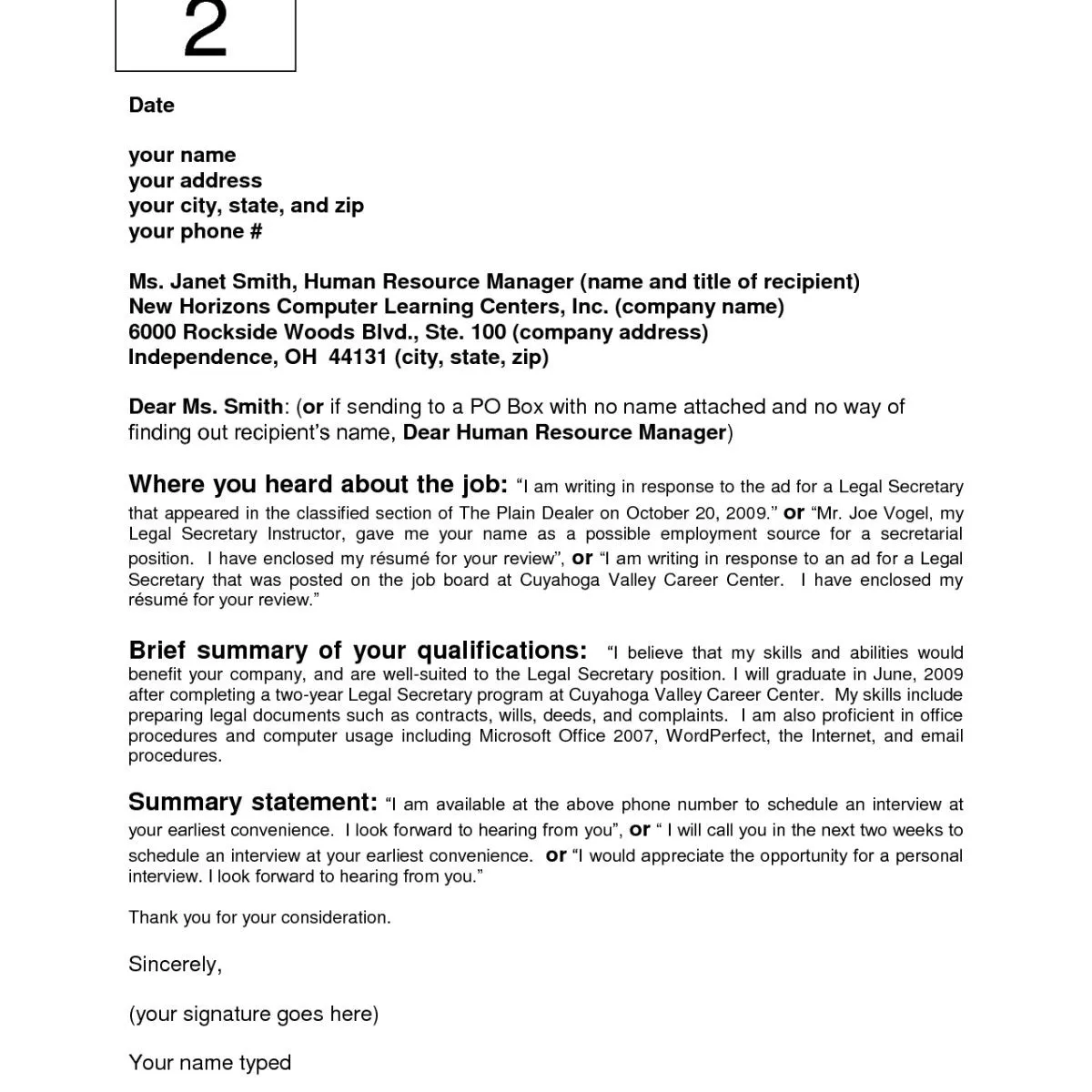
Cover Letter for Unknown Recipient Why It Matters
Writing a cover letter to an unknown recipient might seem daunting but it’s a crucial skill in the job application process. When you don’t have a specific name, the ability to address a cover letter effectively and make a strong impression is vital. This guide provides essential tips and strategies for creating a compelling cover letter, even when the recipient’s name is unknown, ensuring your application stands out. A well-crafted cover letter increases the likelihood of your application being read and considered, significantly improving your chances of landing an interview. This is particularly important for roles in larger organizations where the hiring manager might not be readily accessible.
Researching the Company and Role
Before you start writing, thorough research is key. Understanding the company’s mission, values, and recent activities allows you to tailor your letter and demonstrate your genuine interest. Explore the company’s website, social media profiles, and industry news to gather relevant information. This research helps you identify the key aspects of the role and the company’s expectations, enabling you to align your skills and experience accordingly. Use this information to address the specific needs and challenges the company faces, showing you’ve taken the initiative to understand their business.
Finding the Right Contact

Whenever possible, try to find the hiring manager’s name or the name of someone in the relevant department. Check the company’s website for an ‘About Us’ or ‘Team’ section, or search on LinkedIn for individuals with relevant titles. Knowing the name of the recipient allows you to personalize your cover letter, making it more engaging and effective. If the contact isn’t listed, you can often find this information through networking or by reaching out to current employees or a recruiter associated with the company. This extra step can make your application stand out significantly.
If the Contact is Unknown
When a specific name is unavailable, it’s perfectly acceptable to use professional greetings like ‘Dear Hiring Manager’ or ‘Dear [Department Name] Team’. Avoid generic greetings such as ‘To Whom It May Concern’, as they can make your letter seem impersonal. While this approach is necessary at times, always try to find a specific name through research. If you are unsure of the exact department, use a general greeting, but ensure that the content of your letter demonstrates that you are addressing the appropriate team or individual by referencing the role and the company.
Crafting a Strong Opening
Your opening paragraph should immediately grab the reader’s attention. State the position you’re applying for and briefly mention where you saw the job posting. Highlight a key skill or achievement that aligns with the job requirements, demonstrating that you understand the role’s demands. Clearly express your interest and enthusiasm for the opportunity. A strong opening sets the tone for the rest of your cover letter, making the reader want to learn more about your qualifications. Make sure your opening is concise and impactful, showing the value you bring to the position from the very beginning.
Highlighting Relevant Skills and Experience

The body of your cover letter should showcase how your skills and experience align with the job requirements. Review the job description and identify the key skills and qualifications the employer seeks. Provide specific examples of how you’ve used those skills to achieve results in previous roles. Tailor your examples to the specific needs of the company and the position, demonstrating your understanding of the challenges and objectives. This section of your letter should prove that you not only possess the necessary skills but can also apply them effectively.
Tailoring Your Cover Letter
Avoid using a generic cover letter. Customize your letter for each application by referencing the company’s values, mission, and recent projects. Show that you’ve researched the company and understand its needs. Mention specific skills or experiences that are most relevant to the job, demonstrating that you understand what the employer is looking for. Tailoring your letter shows that you’re genuinely interested in the specific role and haven’t just sent out a mass application. This is a critical step in making a positive impression and increasing your chances of success.
Quantifying Achievements
Whenever possible, quantify your achievements. Use numbers, percentages, and specific metrics to demonstrate the impact of your work. Instead of saying you ‘improved customer satisfaction’, state that you ‘increased customer satisfaction scores by 15%’. Such specific details provide concrete evidence of your abilities and the value you can bring to the organization. This approach makes your claims more credible and highlights your ability to deliver results. Quantifying your achievements makes your application stand out, and makes your accomplishments more memorable.
Demonstrating Enthusiasm and Interest

Expressing genuine enthusiasm for the company and the role is essential. Show that you’re excited about the opportunity and that you’re a good cultural fit. Mention specific aspects of the company or the role that interest you and explain why. Research the company’s values and goals, and align your interests with theirs. Demonstrating enthusiasm can make your cover letter more engaging and memorable, helping you to stand out from other applicants. Your passion can make a significant difference, especially in competitive job markets.
Expressing Gratitude and Following Up
Conclude your cover letter by thanking the reader for their time and consideration. Reiterate your interest in the role and your enthusiasm for the opportunity. Include a call to action, such as requesting an interview or expressing your willingness to provide additional information. If you can, mention how you plan to follow up, such as by email or phone. This shows that you are proactive and interested in the position. Expressing gratitude and stating your interest leaves a positive lasting impression.
Formatting and Proofreading
A well-formatted and error-free cover letter reflects professionalism and attention to detail. Ensure your cover letter is easy to read and visually appealing. Use a clear font, consistent formatting, and adequate spacing. Proofread carefully for any grammatical errors, typos, or formatting inconsistencies. A polished cover letter shows that you take pride in your work and pay attention to details. Always review your cover letter and resume together to maintain consistent formatting.
Formatting Essentials

Use a professional font such as Arial, Calibri, or Times New Roman. Maintain a consistent font size (11-12 points) and use appropriate spacing. Keep paragraphs concise and use bullet points or lists to highlight key information. Ensure your letter is well-structured with clear headings and subheadings to make it easy to navigate. Proper formatting enhances readability and makes your cover letter more engaging. A clean and professional format makes a strong first impression, demonstrating that you’re organized and detail-oriented.
Proofreading Techniques
Proofreading is a crucial step in ensuring your cover letter is error-free. Carefully review your letter for any grammatical errors, typos, or formatting inconsistencies. Use a spell-checker, but also manually proofread your letter to catch any errors that a spell-checker might miss. Read your letter aloud to ensure it flows naturally and makes sense. Ask a friend or family member to proofread your letter as a second pair of eyes can often spot errors that you might have missed. A well-proofread cover letter is vital for making a professional and positive impression.