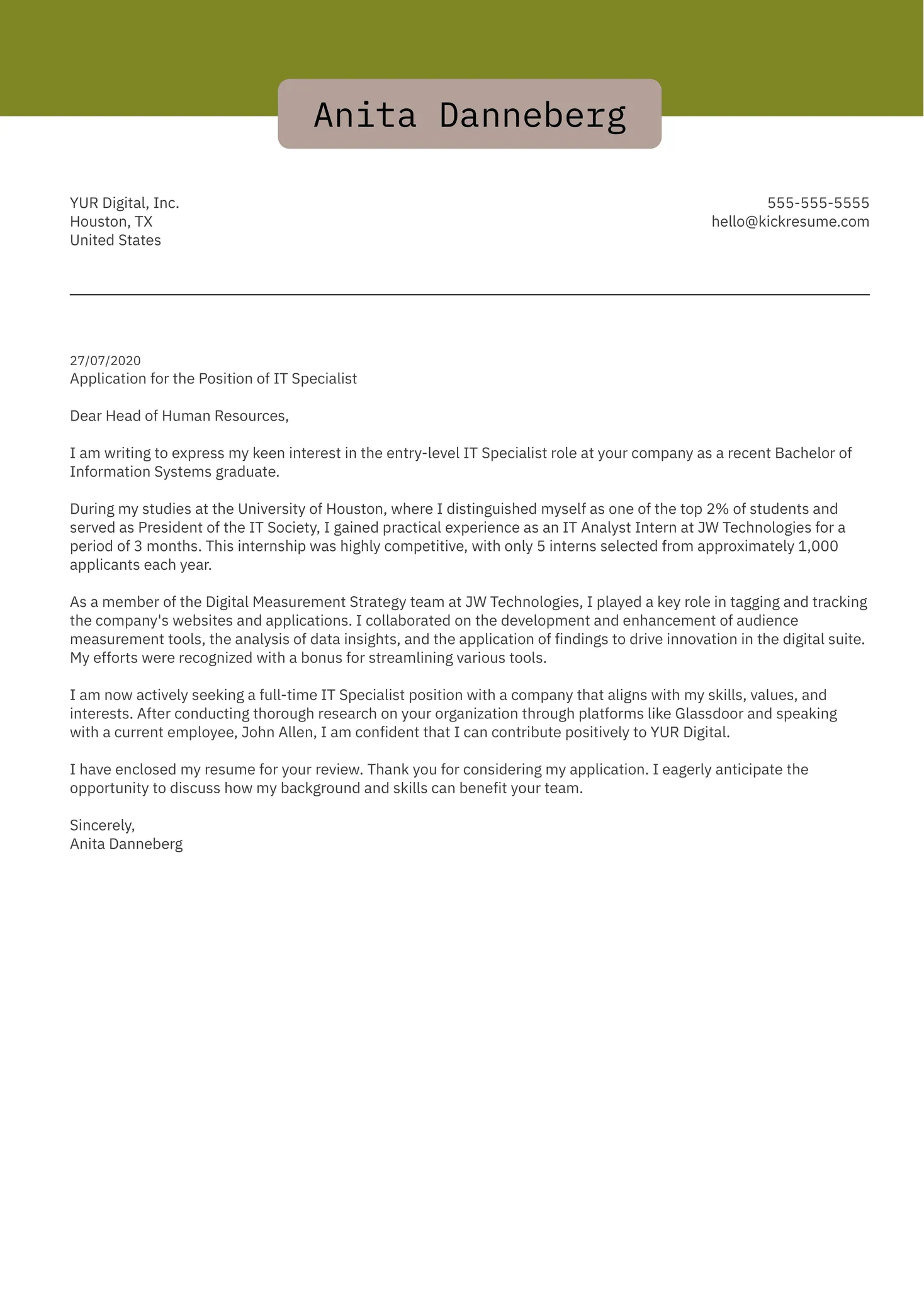
What is a University Application Cover Letter
A university application cover letter is a crucial document that accompanies your application. It serves as your personal introduction to the admissions committee, providing a concise overview of your qualifications, experiences, and aspirations. Unlike the standardized format of your academic transcripts or test scores, the cover letter offers you the opportunity to showcase your personality, writing skills, and genuine interest in the university and program you are applying to. It is your chance to make a memorable first impression and convince the admissions committee why you are a suitable candidate. A well-crafted cover letter is a significant advantage, setting you apart from other applicants and highlighting your unique strengths.
Why is a Cover Letter Important
A cover letter is essential for several reasons. Firstly, it allows you to personalize your application. Standard application materials, like transcripts, offer factual information, the cover letter enables you to connect with the admissions team on a personal level, illustrating your motivations and goals. Secondly, it provides context to your application. You can use it to explain any anomalies in your academic record, such as a dip in grades or a gap in education. Thirdly, a cover letter allows you to demonstrate your communication skills. Writing a clear, concise, and compelling letter is a skill highly valued by universities. The cover letter is your chance to show off your written communication proficiency.
Highlighting your Unique Qualities

The cover letter is where you can differentiate yourself from other applicants. You should highlight unique qualities, such as leadership experiences, volunteer work, or special talents. This could include detailing any significant extracurricular activities that demonstrate your commitment, teamwork skills, or interests. Mention any specific projects, research, or internships that align with your academic goals, showing how your experiences align with the university’s programs. Providing concrete examples of your achievements, skills, and attributes helps the admissions committee gain a better understanding of who you are and what you can bring to their institution. This section is all about showcasing your individuality.
The Core Elements of a Cover Letter
Contact Information
At the top of your cover letter, include your full name, address, phone number, and email address. Make sure your email address is professional and appropriate. This information ensures that the admissions committee can easily contact you. Ensure all details are up to date and accurate to avoid any miscommunications. The contact information is the first element, so it is important to make a good first impression from the beginning. Ensure that it is neatly formatted and clearly visible.
Date and University Details

Following your contact information, include the date and the recipient’s details, such as the name of the admissions officer (if known), the department, and the university’s address. Addressing the letter to a specific person shows that you have researched the university and program, demonstrating your sincere interest. If you cannot find a specific name, use a general salutation such as ‘Dear Admissions Committee.’ This personalization adds professionalism and enhances your chances of making a positive impression. Double-check the accuracy of all the recipient details to avoid errors.
The Opening Paragraph
The opening paragraph should immediately grab the reader’s attention. State the purpose of your letter – that you are applying for admission to a specific program at the university. Briefly mention where you learned about the program or the university. You can briefly state your most compelling qualifications or key reasons for applying. Keep it concise, clear, and enthusiastic. This initial paragraph sets the tone for the rest of your letter. Make sure your opening statement is compelling and reflects your genuine interest in the institution and the program you’re applying for.
Body Paragraphs Your Strengths
The body paragraphs are where you showcase your strengths, experiences, and qualifications. This is where you provide specific examples to support your claims. Connect your past experiences with your future goals. Explain how your experiences have prepared you for the program. Highlight skills and qualities that make you a strong candidate. Use compelling storytelling to make your letter more engaging and memorable. Break this section into several paragraphs, each focusing on a different aspect of your qualifications and experiences. Use specific examples to validate your points. Show rather than tell the admissions committee about your qualities.
Academic Achievements

Discuss your academic achievements, such as GPA, relevant coursework, and any academic awards or honors you have received. Mention any specific projects or research you’ve been involved in. Explain how your academic background has prepared you for the program. Provide context to any specific grades or performances. Emphasize achievements relevant to the program you are applying to. This part is important to show the admission team that you are a good fit for the program.
Relevant Skills and Experiences
Describe relevant skills and experiences such as internships, work experience, volunteer work, and extracurricular activities. Highlight any skills related to the program, such as leadership, teamwork, communication, or problem-solving. Explain the skills you’ve developed. Provide specific examples and quantify your achievements with numbers or data. This demonstrates how you have applied your knowledge and skills in real-world situations. These experiences provide more context, which makes you a more appealing candidate to the admission team.
Closing the Letter
In the closing paragraph, reiterate your interest in the university and the program. Express your enthusiasm and how your qualifications align with the university’s objectives. Thank the admissions committee for their time and consideration. Include a call to action, such as stating you look forward to hearing from them. End your letter with a professional closing like ‘Sincerely’ or ‘Respectfully.’ Ensure that the closing is formal and consistent with the rest of the letter. Proofread the entire letter one last time before submitting to ensure you haven’t missed anything.
Formatting and Style

Font Selection and Readability
Choose a professional and readable font, such as Times New Roman, Arial, or Calibri. Use a font size between 11 and 12 points for readability. Maintain consistent font size and style throughout the letter. Use single or 1.15 line spacing for a clean look. Avoid using excessive bolding, underlining, or italics, as it can make the letter look cluttered. Ensure that the margins are standard (1 inch on all sides) and aligned left for easy reading. The goal is to create a visually appealing document. A well-formatted letter is easy to read and conveys professionalism.
Proofreading and Editing
Proofreading is a critical step in the cover letter process. Check your grammar, spelling, punctuation, and sentence structure meticulously. Read the letter multiple times, slowly and carefully. Use grammar and spell-checking tools, but do not rely solely on them. Ask a friend, family member, or career counselor to review your letter for feedback. Ensure that the tone is professional and the language is appropriate. A well-proofread cover letter demonstrates attention to detail and respect for the admissions committee. Always edit the cover letter before submitting it, as mistakes can cost you a chance at admission.
Common Mistakes to Avoid

Generic Content
Avoid using a generic cover letter that could apply to any university or program. Tailor your letter to each specific university and program you are applying to. Research the university’s values, mission, and specific requirements. Mention specific faculty members, courses, or research projects to show that you’ve done your homework. Do not simply rehash your resume. Demonstrate your understanding of why you want to study at that particular institution. Personalize the cover letter by mentioning specific reasons why you are attracted to this particular university.
Typos and Grammatical Errors
Typos and grammatical errors can undermine your credibility. Always proofread your cover letter multiple times to catch any mistakes. Use grammar and spell-checking tools, but also manually review the letter. Make sure that your writing is clear, concise, and error-free. Ensure that your sentences are well-structured, and your paragraphs flow logically. Avoid using slang, jargon, or overly casual language. Proofreading and editing are crucial steps. Paying attention to detail demonstrates professionalism. Always have someone else review your cover letter for a fresh perspective.
Ignoring Instructions

Carefully review the university’s application instructions. If there are specific requirements for the cover letter, such as a word limit, formatting guidelines, or required information, adhere to them. Failure to follow instructions shows a lack of attention to detail and can negatively impact your application. Ensure that you address any specific prompts or questions asked by the university. If the university requests a specific type of cover letter, such as a diversity statement or a statement of purpose, make sure that you understand and address these requirements. Always check the university’s website for the most up-to-date information.
Finalizing and Submitting
Tailoring to Each University
Customize your cover letter for each university and program. Highlight the specific aspects of each program that appeal to you. Demonstrate how your skills and experiences align with the university’s goals. Mention professors, research projects, or courses that interest you. Show that you have a genuine interest in the university and the specific program. Customization shows your commitment and helps you make a memorable impression. Avoid reusing a generic letter; personalization is key to making your application stand out.
Submitting Your Cover Letter

Before submitting, double-check all the information in your cover letter. Ensure that your contact information is correct and up-to-date. Confirm that your letter is properly formatted and that the file name is appropriate. Save your cover letter in a professional format like PDF to preserve the formatting. Submit your cover letter according to the university’s instructions. Be sure to meet any deadlines and follow any specific submission guidelines. After submitting, keep a copy of your cover letter for your records. Reviewing and ensuring all details are correct can help you avoid potential setbacks and increases your chances of making a good impression.