
Why Volunteer in Schools?
Volunteering in schools is a rewarding experience that benefits both the volunteers and the students. It provides a unique opportunity to make a tangible difference in a child’s life, support educators, and contribute to the community. Whether you have a background in education, a passion for helping children, or simply a desire to give back, volunteering in schools offers a wide range of possibilities. It’s an excellent way to gain experience, develop new skills, and build meaningful relationships. Additionally, it can be a pathway to a career in education or a fulfilling way to spend your free time. The impact of your time and effort can create positive change in the lives of children and the school environment.
Benefits of Volunteering in Schools
The advantages of school volunteering are plentiful and extend beyond the immediate support provided to students and staff. Volunteers often report increased feelings of satisfaction, purpose, and connection to their community. Schools benefit from the additional support with tasks such as tutoring, mentoring, classroom assistance, and administrative help. This extra assistance can alleviate the workload on teachers and administrators, allowing them to focus more on instructional activities. Volunteering also helps foster a positive school climate, enhances school-community relations, and provides valuable resources for students. For the volunteer, it’s a chance to learn new skills, refine existing ones, and develop a deeper understanding of the educational system. The diverse experiences gained can be beneficial to career advancement or personal development.
Impact on Students

Students gain immeasurable benefits from the presence of volunteers. Volunteers often provide individualized attention, helping students struggling with academics or social-emotional challenges. They can serve as positive role models, sharing their experiences and offering encouragement. Volunteers help create a supportive learning environment by adding an additional layer of resources for students, which leads to better academic performance, improved behavior, and enhanced self-esteem. They introduce students to new perspectives, expand their horizons, and expose them to diverse experiences. Students who receive support from volunteers are more likely to develop a love for learning, build strong interpersonal skills, and achieve their full potential.
Impact on Volunteers
Volunteering has a profound impact on the volunteers themselves. It offers a unique opportunity for personal growth, skill development, and community involvement. It provides a sense of fulfillment, reduces stress, and creates opportunities to connect with others. Volunteers often gain a new perspective on life, develop stronger empathy, and increase their sense of social responsibility. They also have the chance to learn new skills, such as communication, leadership, and problem-solving, which can be transferred to other areas of their lives. Volunteering also builds a strong sense of community, allowing volunteers to form meaningful relationships with students, teachers, and other volunteers. For those seeking to enter the education field, volunteering provides hands-on experience and a valuable insight into the school environment.
Crafting Your Cover Letter for School Volunteer Work
A well-crafted cover letter is an essential tool for securing a volunteer position in schools. It is your first opportunity to make a positive impression, highlighting your skills, experiences, and enthusiasm for the role. Your cover letter should be tailored to the specific school and volunteer opportunity, emphasizing how your qualifications and motivations align with the school’s needs and values. A strong cover letter clearly articulates your interest in the position, showcases your relevant experiences, and emphasizes your commitment to supporting students and the school community. It is not just a formality; it’s your chance to stand out from the crowd and convince the school to offer you the chance to make a positive impact.
Header and Contact Information
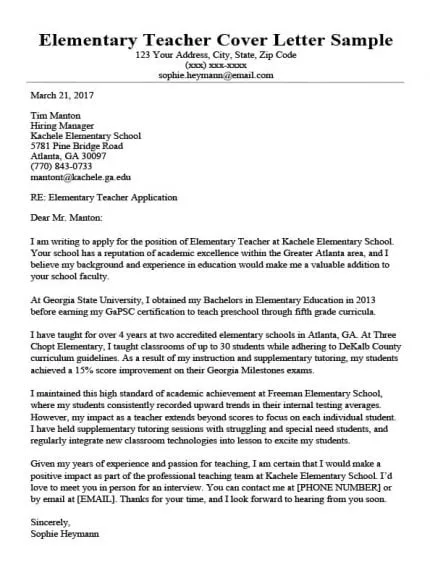
Your cover letter should begin with a professional header including your contact information. This helps the recipient easily identify you and know how to reach you. Include your full name, address, phone number, and email address. Ensure your email address sounds professional and appropriate. Also, include the date and the school’s address. Using a clear and readable font, such as Times New Roman or Arial, is also critical for a professional look. The header sets the tone for your cover letter, ensuring that the school has the information they need to reach you.
Salutation
The salutation is your opening greeting and should be personalized whenever possible. If you know the name of the person who will be reading your letter, address it to them directly (e.g., “Dear Mr./Ms. [Last Name]”). This personal touch immediately shows that you’ve taken the time to research the school. If you don’t know the name, use a professional greeting such as “Dear Hiring Manager” or “Dear Volunteer Coordinator.” Avoid generic salutations like “To Whom It May Concern.” The salutation sets the respectful tone for your letter and establishes your professionalism.
Introduction: Expressing Your Interest
The introduction is where you state your purpose, clearly expressing your interest in the volunteer position. Mention the specific position you’re applying for or the general area of volunteering you’re interested in. Briefly state where you learned about the volunteer opportunity. Make it clear why you want to volunteer at that specific school. Convey your enthusiasm for the school and the opportunity to support its students. Start with a strong opening sentence that grabs the reader’s attention and immediately highlights your interest.
Highlighting Relevant Skills and Experience

In the body of your cover letter, highlight the skills and experiences that align with the requirements of the volunteer role. Use specific examples to illustrate your abilities, whether they relate to tutoring, mentoring, classroom assistance, or administrative support. If you have experience working with children, mention it. Showcase any relevant skills, such as communication, organization, or problem-solving. Emphasize transferable skills that can be applied in a school setting. Quantify your achievements whenever possible; for instance, if you mentored students, specify how many. Customize this section to the specific school and role, using keywords from the job description.
Emphasizing Passion and Motivation
This is your chance to convey your passion for education and your motivation for volunteering. Explain why you’re drawn to the school, and discuss your personal connection to its mission or values. Share a compelling reason for wanting to contribute, whether it’s a desire to give back to the community, support students, or gain experience in the education field. Express your enthusiasm for supporting students and creating a positive learning environment. Use your personal experiences and motivations to show what sets you apart from other applicants, making it clear why the school should choose you.
Tailoring to the Specific School
Always tailor your cover letter to the specific school to show you’ve researched them and are genuinely interested in their organization. Mention the school’s specific programs, initiatives, or values that resonate with you. Highlight any aspects of the school that you particularly admire. If you know someone who attends or works at the school, mention that connection. Show that you understand the school’s needs and how your skills and experiences can contribute to their goals. Demonstrating this understanding is crucial to show the school you are a well-suited candidate and not just using a generic cover letter.
Closing: Call to Action

End your cover letter with a strong call to action. Express your eagerness for the opportunity to volunteer and thank the reader for their time and consideration. Include a clear statement of your availability for an interview or meeting. Reiterate your contact information to make it easy for them to reach you. Express your willingness to provide additional information or references. A positive and confident closing helps leave a lasting impression. End with a professional closing such as “Sincerely” or “Respectfully,”, followed by your full name.
Proofreading and Editing Your Cover Letter
Proofreading is an essential step in ensuring your cover letter is polished and professional. Carefully review your letter for any grammatical errors, spelling mistakes, and typos. Read the letter aloud to check for awkward phrasing or unclear sentences. Ask a friend, family member, or career counselor to review your cover letter. Pay attention to formatting and ensure your letter is easy to read. Ensure consistency in font size, style, and spacing. Correct any formatting issues that may make your letter appear unprofessional. A well-proofread cover letter demonstrates attention to detail and enhances your credibility.
Common Mistakes to Avoid
Avoid common mistakes that can undermine your cover letter. Generic cover letters that are not tailored to the specific school or role often demonstrate a lack of genuine interest. Make sure to avoid grammatical errors and typos, as they can create a negative impression. Don’t simply restate your resume; expand on your skills and experiences. Be concise and focused, avoiding irrelevant information. Avoid using jargon or overly technical language. Do not include negative comments or complaints about other schools or experiences. Make sure to avoid overselling yourself or making unrealistic claims.
Example Cover Letter for School Volunteer Work

This is an example of what a cover letter for school volunteer work may look like. Remember to customize it:
[Your Name] [Your Address] [Your Phone Number] [Your Email Address]
[Date]
[Hiring Manager Name (if known), or Title] [School Name] [School Address]
Dear [Mr./Ms. Last Name or Hiring Manager],
I am writing to express my interest in the volunteer opportunities at [School Name]. I am enthusiastic about contributing to the school community and supporting students in their educational journeys. [Explain where you saw the volunteer opportunity].
I have a strong background in [mention relevant skills and experience]. During my time at [previous experience], I developed my skills in [skills]. I am passionate about helping students and creating a supportive learning environment. I am also looking forward to learning more about the day-to-day operations of schools. I was also successful in [achievements during previous experience].
I would be thrilled to volunteer with [School Name]. I am impressed by [mention something specific about the school]. I am confident that my skills and experiences align with the values of [School Name] and that I can make a positive impact on the lives of students.
Thank you for your time and consideration. I am available for an interview and can be reached at [your phone number] or [your email address].
Sincerely, [Your Name]