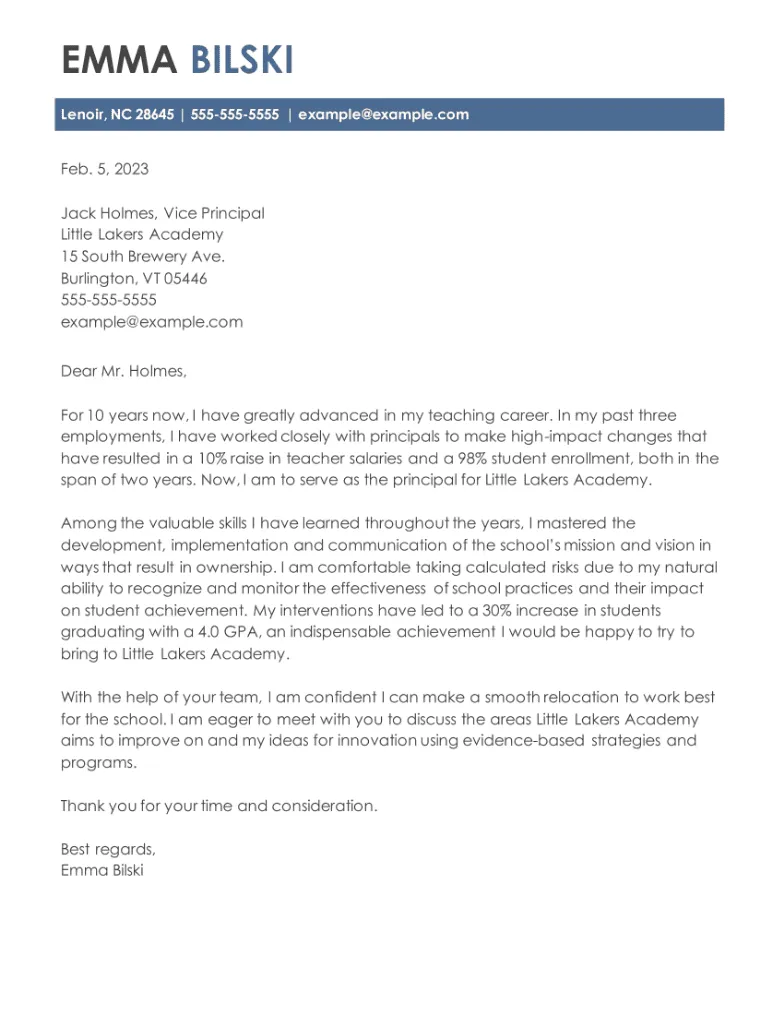
What is a Cover Letter for a New State Move?
A cover letter for a new state move is a crucial document that accompanies your resume when applying for jobs in a new state. It serves as your introduction to a potential employer, providing context for your relocation and highlighting your qualifications. Unlike a resume, which provides a factual overview of your experience, a cover letter allows you to showcase your personality, explain your motivations, and demonstrate your genuine interest in the role and the company. This is especially important when you are moving to a new state because it addresses the elephant in the room — your physical location and your decision to uproot and move.
Why is a Cover Letter Important?
In today’s competitive job market, a well-crafted cover letter can significantly increase your chances of landing an interview. It’s your chance to make a strong first impression and convince the hiring manager that you are the right fit for the job. When moving to a new state, a cover letter is even more critical. It provides an opportunity to explain your reasons for relocating and demonstrate your commitment to the new location. Without a cover letter, potential employers might be hesitant to consider your application, assuming that you are not serious about the opportunity or are simply casting a wide net across different locations. A compelling cover letter assures them of your commitment.
Understanding the Purpose

The primary purpose of a cover letter is to introduce yourself, express your interest in the position, and persuade the employer to read your resume. It also helps bridge the gap between your qualifications and the job requirements. When moving to a new state, you must clearly articulate why you are choosing to relocate. This transparency shows proactive behavior and demonstrates your initiative to integrate into the new community and, more specifically, the workplace. A well-written letter showcases your communication skills, organizational skills, and attention to detail, all of which are highly valued by employers.
Highlighting Your Skills and Experience
The cover letter is a perfect place to highlight specific skills and experiences that align with the job description. Rather than simply restating what is in your resume, use this space to elaborate on your achievements and demonstrate how you have applied your skills in previous roles. Provide concrete examples and quantifiable results whenever possible to prove the value you bring to the table. When moving states, this becomes even more important. You must convey your ability to adapt to new environments and your eagerness to learn new things. Emphasize any experience that shows your ability to quickly acclimate to a new workplace culture and city.
Key Sections of a Cover Letter
Contact Information

Start your cover letter with your contact information. Include your name, phone number, email address, and if applicable, your LinkedIn profile URL. Make sure this information is up-to-date and professional-looking. You should also include the date and the employer’s contact information, including the name of the hiring manager if available. This shows you have taken the time to personalize your application. Including your current location is essential, and you should also note the date you will be available to relocate to the new state to provide clarity on your availability for an interview and subsequent employment.
Personalized Greeting
Always address your cover letter to a specific person whenever possible. Research the hiring manager’s name and use it. Generic greetings like “To Whom It May Concern” or “Dear Hiring Manager” are not as effective. Personalizing your greeting shows that you have taken the time to learn about the company and the hiring process. If you cannot find a specific name, try to find the department head or someone in a similar role. This small step can make a big difference in how your application is perceived. Starting with a warm greeting sets a positive tone for the entire letter.
Your Relevant Skills and Experience
In the body of your cover letter, highlight your skills and experience. Focus on the aspects most relevant to the job you are applying for. Use action verbs to describe your accomplishments and quantify your results whenever possible. Briefly explain how your skills align with the job requirements and the company’s needs. When moving to a new state, be sure to emphasize transferable skills and experiences that show your ability to adapt, learn quickly, and succeed in a new environment. Mention any specific accomplishments or skills that demonstrate your ability to relocate smoothly and start working effectively right away.
Why You Are Moving to the New State

This is a crucial section when relocating. Clearly and concisely explain your reasons for moving to the new state. You can share personal or professional reasons, such as family ties, a strong interest in the area, or the desire to advance your career in a specific field. Be honest and sincere in your explanation. Avoid any negativity or vague statements. Focus on the positive aspects of the move and how it aligns with your career goals and the company’s opportunities. Demonstrating your commitment to the area and your proactive approach to the move will reassure the hiring manager of your commitment.
Expressing Enthusiasm and Interest
Conclude your cover letter by expressing your enthusiasm for the role and the company. Reiterate your interest in the position and your confidence in your ability to contribute to the organization’s success. Thank the hiring manager for their time and consideration, and state that you are eager to learn more about the opportunity. Include a call to action, such as mentioning that you are available for an interview at their earliest convenience. This demonstrates your proactivity and eagerness to move forward in the hiring process. It shows you are serious about the job and not just sending a generic application.
Formatting Your Cover Letter
Choosing the Right Font and Size

Choose a professional and easy-to-read font, such as Times New Roman, Arial, or Calibri. Stick to a font size between 10 and 12 points. Ensure the font is consistent throughout the document. Avoid using overly decorative or unusual fonts, which can be distracting and difficult to read. Legibility is key; your goal is to make your cover letter as easy to read as possible. This helps the hiring manager to quickly grasp the essential information. A clean, simple font makes your cover letter more appealing to the eye and enhances your professional image.
Structuring the Content
Organize your cover letter into clear sections, including an introduction, body paragraphs, and a conclusion. Use headings and bullet points to break up large blocks of text and make it easier to scan. Keep each paragraph concise and focused. Use a professional tone and avoid slang or overly informal language. Proper spacing, margin, and alignment are essential for readability. Ensure your letter is visually appealing and easy to navigate. This structure will make your cover letter much easier for the reader to absorb. It will leave a professional impression.
Proofreading and Editing
Before submitting your cover letter, proofread it carefully for any errors in grammar, spelling, and punctuation. Use a spell checker and grammar checker, but also read the document aloud to catch any mistakes. It is also a good idea to have someone else proofread your cover letter. Typos and grammatical errors can create a negative impression and make it seem like you are not detail-oriented. A polished and error-free cover letter demonstrates your professionalism and attention to detail. Double-check all contact information to ensure everything is accurate.
Writing Tips for a Cover Letter

Researching the Company and Role
Before you start writing, thoroughly research the company and the specific job you are applying for. Visit the company’s website, read about its mission and values, and learn about its recent projects and initiatives. Review the job description carefully and identify the key skills and qualifications the employer is seeking. This research will help you tailor your cover letter to the specific needs of the company and demonstrate your genuine interest in the role. Showcasing your awareness of the company’s work is key to demonstrating your serious interest and motivation.
Tailoring the Letter to the Job
Do not use a generic cover letter for all job applications. Customize each letter to match the specific job description and the company’s requirements. Highlight the skills and experiences most relevant to the role and explain how you can contribute to the company’s goals. Use keywords from the job description to show the hiring manager that you understand what the job entails and that you possess the necessary qualifications. Tailoring your cover letter shows that you have invested time and effort into the application process, increasing your chances of getting an interview.
Emphasizing Transferable Skills

When applying for jobs in a new state, it is important to emphasize your transferable skills, which are the skills you have gained in previous roles that can be applied to a new job. These include communication, problem-solving, leadership, and teamwork. Highlight how these skills can benefit the company, regardless of your previous industry or experience. Showcase any experience that demonstrates your adaptability, ability to learn quickly, and readiness to contribute to a new team. This helps overcome concerns a hiring manager may have about you being new to the area.
Highlighting Your Achievements
Instead of listing your responsibilities, focus on your achievements and how you have made a positive impact in previous roles. Use the STAR method (Situation, Task, Action, Result) to describe your accomplishments. Quantify your results whenever possible, such as by stating the percentage increase in sales you achieved or the number of projects you successfully managed. Highlighting your achievements demonstrates your capabilities and shows potential employers that you can produce tangible results, making you a more attractive candidate. Provide concrete examples of past successes to prove your value.
Common Mistakes to Avoid
Generic Cover Letters

Avoid sending generic cover letters that are not tailored to the specific job or company. Hiring managers can easily spot these, and they will likely discard your application. A generic letter shows a lack of effort and a lack of interest in the role. Always take the time to customize your letter to match the specific requirements of the job description and the company’s needs. Personalize your letter with relevant information, showcase your knowledge of the company, and highlight your relevant skills and experiences. Tailoring your cover letter significantly increases your chances of getting an interview.
Typos and Grammatical Errors
Typos and grammatical errors can make a negative first impression. They suggest a lack of attention to detail and can make it seem like you are not serious about the application. Always proofread your cover letter carefully before submitting it. Use spell check and grammar check tools, but also have another person review your letter. Errors can undermine your credibility and reduce your chances of getting an interview. A well-written and error-free cover letter demonstrates professionalism and a commitment to quality.
Neglecting to Customize the Letter
Failing to customize your cover letter to the specific job and company is a common mistake. Each job is unique, and each company has its own values and requirements. A generic letter will not resonate with the hiring manager. Take the time to research the company and the role, and then tailor your cover letter to address those specific needs. Highlight the skills and experiences most relevant to the job, and explain how you can contribute to the company’s goals. Customization makes your letter stand out and increases your chances of being selected for an interview. It shows that you’ve put in the extra effort.
Cover Letter Templates
Where to Find Templates
Numerous resources provide cover letter templates. Websites like Indeed, LinkedIn, and Resume.com offer a variety of free and customizable templates. You can also find templates in Microsoft Word or Google Docs. Look for templates that align with the style and tone of the jobs you are applying for. Make sure the template is easy to read and well-organized. These templates provide a basic structure that you can adapt to your needs. While templates can be helpful, it is important to customize them to fit your experience and the specific job.
How to Customize a Template
When using a cover letter template, customize it to fit your specific qualifications and the job requirements. Replace the generic information with your details. Tailor the content to reflect your skills and achievements. Add a personal touch by mentioning specific aspects of the company or role that interest you. Customize the format to match your professional style. Ensure that the template reflects your personality. Avoid using a template blindly. Customize it to ensure that it effectively communicates your unique value proposition to the employer.
Cover Letter Examples
Example for a Specific Role
When applying for a specific role, your cover letter should address the job description directly. Highlight the skills and experiences that align with the listed requirements. Provide examples of your achievements that demonstrate your ability to succeed in the role. Show how your experience has prepared you for the job. Tailor the letter to match the needs of the company and the specific role. Make sure to use keywords from the job description to show the hiring manager that you understand the requirements and possess the necessary qualifications. The more specific you are, the better.
Example for a General Application
In a general application, you can showcase your skills and experiences more broadly. Highlight transferable skills, and explain why you are interested in the company. Showcase your skills, experience, and personal attributes that make you an ideal candidate. Provide a concise overview of your career goals. Express your interest in learning more about potential opportunities. Customize your letter to reflect your career goals. Emphasize your adaptability and eagerness to contribute to a new team. This gives the employer a good understanding of you, even without a specific job in mind.
Conclusion
Writing a cover letter when moving to a new state is essential for making a positive impression on potential employers. By following these guidelines, you can create a compelling cover letter that highlights your skills, explains your reasons for relocating, and increases your chances of landing an interview. Remember to tailor each letter to the specific job and company, proofread carefully, and emphasize your commitment to the new state. A well-crafted cover letter can make all the difference in your job search. Good luck with your job search, and take pride in this critical step towards your professional goals.