What is a Cover Letter for a CV
A cover letter is a crucial document that accompanies your Curriculum Vitae (CV) or resume when you apply for a job. Think of it as your personal introduction to a potential employer. It provides a space for you to elaborate on your skills, experience, and qualifications in a way that goes beyond the concise format of a CV. The cover letter allows you to showcase your personality, express your enthusiasm for the role, and demonstrate why you’re the perfect fit for the position. It’s a chance to make a strong first impression and persuade the hiring manager to read your CV carefully. This document is your chance to communicate directly with the hiring manager.
The Importance of a Cover Letter
In today’s competitive job market, a well-crafted cover letter can significantly boost your chances of landing an interview. It’s your opportunity to highlight relevant achievements and connect them directly to the job requirements. A strong cover letter can set you apart from other applicants, especially if you tailor it to the specific job description and the company’s values. It allows you to demonstrate your understanding of the role and your passion for the industry. A cover letter is more than just a formality; it’s a strategic tool to make a memorable impression. It can demonstrate your writing skills, attention to detail, and your proactive approach to securing the job.
Cover Letter Structure

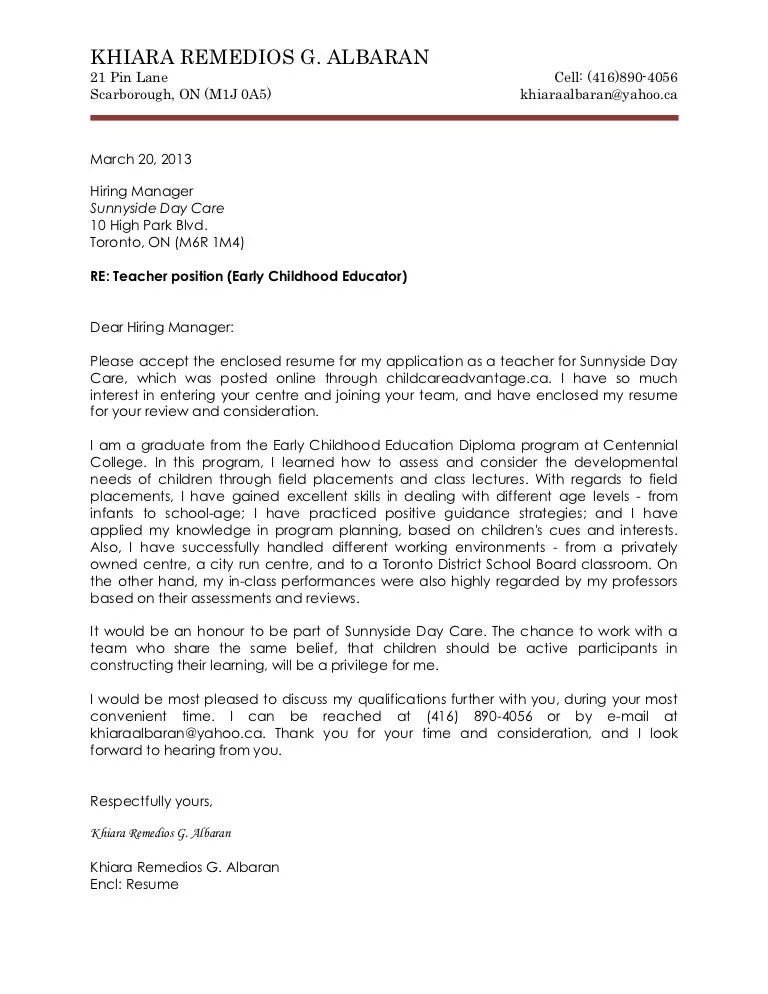
A well-structured cover letter is easy to read and conveys your message effectively. It should follow a standard format to ensure all essential information is included. A clear structure helps the reader navigate your letter and quickly grasp your key qualifications. The general layout typically includes a header with your contact information, a greeting, an introductory paragraph, several body paragraphs (usually two or three), a closing paragraph, and a professional sign-off. Each section plays a vital role in presenting a complete picture of your skills and suitability for the role. Following a structured approach helps maintain professionalism.
Header Section
The header is the topmost part of your cover letter. It should include your name, address, phone number, and email address. Ensure this information is accurate and up-to-date. The header should also include the date, and the recipient’s information (name, title, company, and address). This section establishes your identity and provides the hiring manager with your contact details. Use a clear and professional font style and size, ensuring that the header is neatly formatted and easy to read. This section is important to maintain a consistent professional appearance.
Greeting or Salutation
The greeting sets the tone for your cover letter. When possible, address the hiring manager or the specific person who will be reviewing the applications by name. This personal touch shows that you’ve taken the time to research the company. If you can’t find a specific name, use a professional greeting such as “Dear Hiring Manager” or “Dear [Department Name] Team.” Avoid generic greetings such as “To Whom It May Concern.” The goal is to create a connection from the beginning of your cover letter.
Body Paragraph 1: Introduction

The introduction is where you state the position you are applying for and how you learned about the opportunity. Mention the job title and where you saw the posting (e.g., on LinkedIn, the company website, or a job board). Briefly state why you are interested in the role and the company. Aim to capture the reader’s attention immediately and express your enthusiasm. This paragraph should be concise, clear, and immediately convey your intent. The goal here is to grab their interest in your application.
Body Paragraph 2: Skills and Experience
This is the heart of your cover letter. In this paragraph, describe your relevant skills and experience. Focus on how your qualifications align with the job requirements outlined in the job description. Use specific examples to demonstrate your achievements and what you’ve accomplished in previous roles. Quantify your accomplishments whenever possible. For example, instead of saying you “managed projects,” say that you “managed three projects simultaneously, delivering them on time and under budget.” This helps the hiring manager assess your skills quickly.
Body Paragraph 3: Enthusiasm and Fit
In this paragraph, express your enthusiasm for the company and the role. Explain why you are a good fit for the company culture and what you can bring to the team. Show that you’ve researched the company and understand their mission and values. Highlight any specific projects or initiatives that resonate with you. Emphasize your soft skills, such as teamwork, communication, and problem-solving abilities. Briefly state what you hope to achieve if you get the job. This section enables you to provide an additional perspective to your application.
Closing Paragraph

In your closing paragraph, reiterate your interest in the position and express your eagerness for an interview. Thank the hiring manager for their time and consideration. Include a call to action, such as “I look forward to hearing from you soon” or “Thank you for considering my application.” Keep the tone professional and positive. This paragraph should provide a clear indication of your next steps and leave a favorable impression. This paragraph is the final note of your cover letter.
Sign-off and Contact Information
Use a professional sign-off such as “Sincerely,” “Best regards,” or “Yours sincerely.” Below your sign-off, type your full name. Ensure your contact information (phone number and email address) is included, even if it’s already in the header. This makes it easy for the hiring manager to contact you. The sign-off sets the tone of your cover letter. Make sure your contact information is visible and easy to find to secure the next step.
Cover Letter Formatting
Proper formatting enhances readability and professionalism. A well-formatted cover letter shows that you pay attention to detail. Consistent formatting is essential for conveying your message. Formatting encompasses aspects such as font choice, font size, margins, spacing, and file format. Pay careful attention to these details, as they make an impact on the hiring manager.
Font and Font Size

Choose a professional and easy-to-read font such as Times New Roman, Arial, Calibri, or Helvetica. Keep the font size between 10 and 12 points. Avoid using overly decorative or unusual fonts. These are the best practices for a clean and professional look. The goal is to make your cover letter easy to read and visually appealing. Be consistent with your font throughout the entire document.
Margins and Spacing
Use standard one-inch margins on all sides of your cover letter. Double-space between paragraphs to improve readability. Use single spacing within paragraphs. Proper spacing allows the text to breathe and prevents your cover letter from appearing cluttered. Proper margins and spacing make your cover letter more readable and accessible.
File Format and Naming
Save your cover letter as a PDF file. This ensures that your formatting remains consistent across different devices and operating systems. Name the file using a clear and professional format, such as “Your Name_Cover Letter_Job Title.” For example, “JaneDoe_CoverLetter_MarketingManager.” This helps the hiring manager to easily identify and manage your document. This also helps avoid any issues with document compatibility.
Cover Letter Examples

Reviewing examples can provide valuable guidance. There are many cover letter examples available online, showcasing different formats and approaches. These examples can help you understand how to structure your letter and what kind of content to include. Examples will help you adapt the format to the needs of the jobs you are applying to. Use examples as inspiration, not a template, and be sure to tailor your letter to your specific situation.
Example Cover Letter for Freshers
For freshers, the cover letter is particularly important as it helps highlight skills and experiences gained through internships, projects, and academic achievements. Focus on transferable skills and enthusiasm for the industry. Your cover letter for a job can include an overview of your education, projects, and any extracurricular activities that showcase your skills. Adapt the content and writing style to fit your qualifications.
Example Cover Letter for Experienced Professionals
For experienced professionals, the cover letter should focus on demonstrating your relevant accomplishments and how you have impacted previous employers. Highlight quantifiable achievements and the value you brought to your former roles. Tailor the letter to the specific job requirements, emphasizing how your experience aligns with the needs of the company. Show the relevant experience you gained and provide examples.
Common Mistakes to Avoid

Avoiding common mistakes is crucial for making a positive impression. Several errors can undermine your application. Proofread your cover letter carefully and get a second opinion from someone else. Pay attention to these common issues to ensure your cover letter is strong.
Grammar and Spelling Errors
Typos and grammatical errors can create a negative impression and suggest a lack of attention to detail. Always proofread your cover letter multiple times. Use a grammar checker and spell-checker. Ask someone else to review your letter for errors. Errors can signal a lack of professionalism.
Generic Cover Letters
Sending a generic cover letter that is not tailored to the specific job is a common mistake. Hiring managers can tell when a cover letter is not customized. Always tailor your letter to the specific job description and the company’s values. Show that you have taken the time to understand the role and the organization. Customization demonstrates that you’re genuinely interested in the opportunity.
Cover Letter Customization Tips

Customizing your cover letter is essential for demonstrating your interest and suitability for the job. Tailoring your letter to each job application shows you’ve put in the effort. Customization makes your letter stand out from the crowd.
Tailoring Your Cover Letter to the Job
Carefully review the job description and identify the key requirements and desired skills. Highlight the skills and experiences that align with the requirements. Use keywords from the job description in your cover letter. Provide specific examples to demonstrate how you have successfully used those skills in the past. This will increase your chances of securing the interview. Tailor your cover letter to show a perfect fit for the role.
Keywords and Applicant Tracking Systems
Many companies use Applicant Tracking Systems (ATS) to screen applications. These systems scan cover letters for keywords. Include relevant keywords from the job description in your cover letter. Place these keywords naturally within your sentences, not in a way that feels forced. Keyword optimization helps ensure your application is seen by the hiring manager. Be smart with ATS systems to ensure your application will be considered.
Cover Letter and the ATS
Consider how ATS may read your cover letter. Keep the formatting simple and avoid complex layouts or graphics that might not be read correctly. Use a clean, easy-to-read font and formatting. Be clear and concise in your language. Focus on including relevant keywords from the job description. Ensure that the ATS will be able to understand your application. This is an important consideration when you apply for a job.