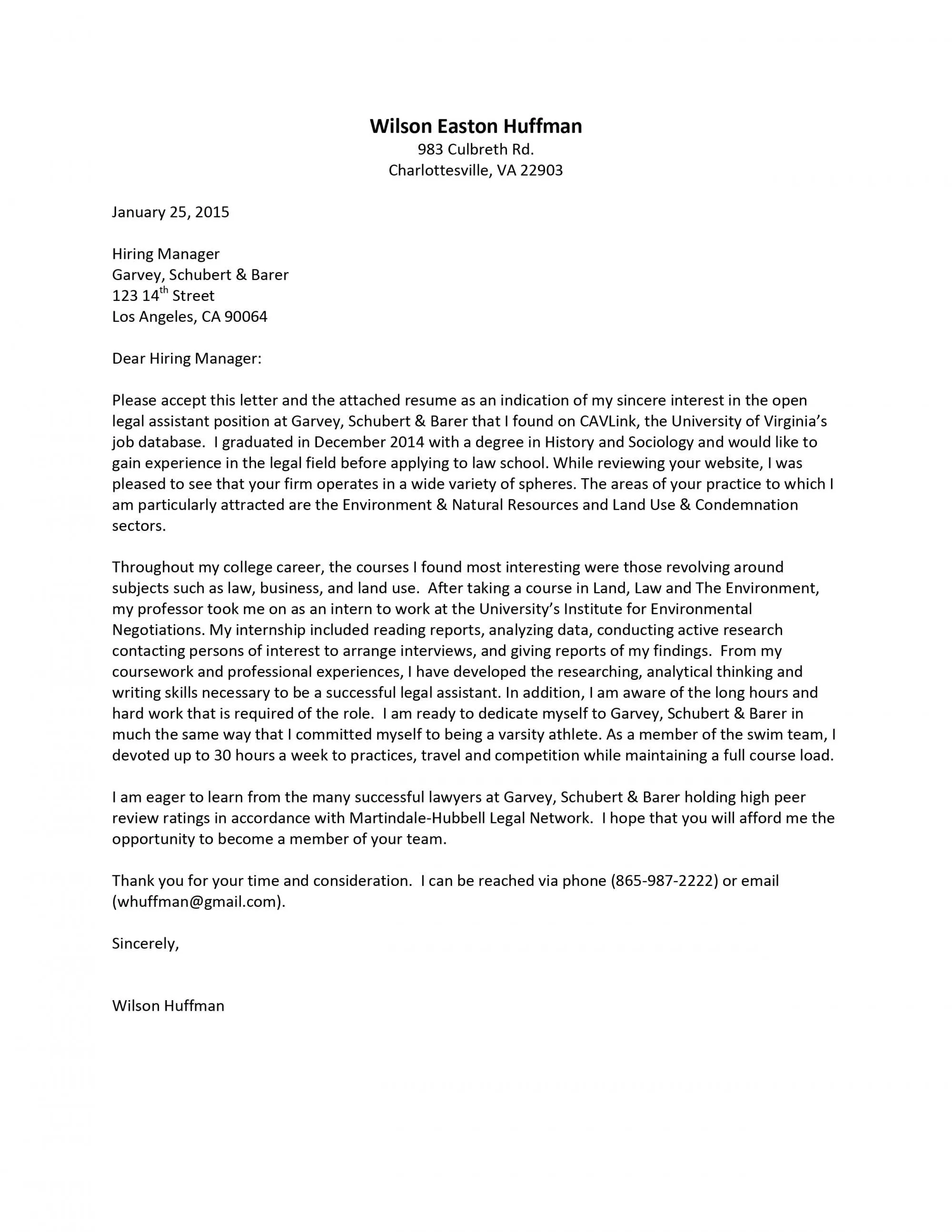
What is a Cover Letter
A cover letter is a crucial document that accompanies your resume when you apply for opportunities, be it jobs, internships, scholarships, or university admissions. It serves as your first introduction to the recipient, offering a personalized glimpse into your skills, experiences, and aspirations. Unlike a resume, which provides a factual summary, a cover letter allows you to showcase your personality, articulate your motivations, and explain why you are a perfect fit for the specific opportunity. Think of it as your opportunity to make a memorable first impression and persuade the reader to delve deeper into your qualifications. A well-crafted cover letter can significantly increase your chances of being noticed and selected for the next stage of the application process. It is your voice, allowing you to communicate your passion, enthusiasm, and understanding of the opportunity, setting you apart from the sea of applicants.
Why Cover Letters Matter
Cover letters are more than just formalities; they are essential tools for making a strong impression and securing opportunities. Firstly, they allow you to tailor your application to the specific requirements and expectations of the recipient. By addressing the specific needs of the role, program, or scholarship, you demonstrate that you’ve taken the time to understand the opportunity and are genuinely interested. Secondly, cover letters help you stand out from the competition. They offer a platform to highlight your unique skills, experiences, and personality traits that might not be fully apparent in your resume. A compelling cover letter can transform a good application into a great one. It lets you explain gaps in your resume or career changes, providing context and a narrative that humanizes your qualifications. Lastly, a well-written cover letter showcases your communication skills. It proves your ability to express yourself clearly, concisely, and professionally, which are highly valued in any academic or professional setting. By demonstrating your communication skills, you show that you can articulate your ideas effectively and connect with the reader on a personal level, making a persuasive case for your candidacy.
Cover Letter Examples for University Freshers

For university freshers, cover letters are vital for showcasing potential and enthusiasm, even with limited experience. These letters should highlight academic achievements, relevant coursework, and any extracurricular activities. The focus should be on demonstrating a willingness to learn, adaptability, and a strong work ethic. Address the university or department directly, expressing your interest in the program and why you’ve chosen that specific institution. Mention any projects or skills you’ve developed, even if they are basic. Emphasize your eagerness to contribute to the university community and your commitment to personal and academic growth. Tailor the letter to the specific program by mentioning professors or courses that intrigue you, showing that you have done your research. Highlight any volunteer work, club memberships, or leadership roles that demonstrate your initiative and ability to work in a team. It’s essential to maintain a professional tone, correct grammar, and a clear structure. Keep it concise, ideally within one page, and proofread meticulously before submission to ensure there are no errors that could undermine your application. The goal is to create a positive first impression and convey your potential to succeed.
Cover Letter Examples for Internship Applications
When applying for internships, your cover letter should provide a clear, concise argument that you possess the relevant skills and experiences required for the role. Begin by expressing your strong interest in the internship and specifically mention the company and the department. Highlight how your academic background and any prior experiences align with the internship’s requirements. Detail relevant skills, such as technical proficiencies, software knowledge, or language abilities, depending on the role. Provide specific examples of projects or tasks where you applied these skills, quantifying your achievements whenever possible. Explain what you hope to gain from the internship and how your participation will contribute to the company. Research the company’s mission, values, and recent projects to tailor your letter and demonstrate genuine interest. Mention any specific skills or knowledge you are eager to develop. End with a call to action, expressing your availability for an interview and your enthusiasm for the opportunity. Ensure your letter showcases your professionalism, writing skills, and attention to detail, setting you apart from other applicants and making a compelling case for your suitability for the internship position. Proofread thoroughly and keep the letter within one page.
Cover Letter Examples for Part-Time Jobs
A cover letter for a part-time job should showcase your ability to balance work with your studies and other commitments while emphasizing your relevant skills and reliability. Start by clearly stating the position you are applying for and where you saw the advertisement. Highlight how your skills align with the job requirements. If the job involves customer service, mention your communication skills and ability to work with diverse groups of people. If it’s a role that requires specific skills, such as data entry or computer programming, provide specific examples of your proficiency. Discuss your availability and your ability to manage your time effectively to meet both work and academic responsibilities. Emphasize your reliability, work ethic, and willingness to learn. Mention any relevant experience you have, whether it’s from previous part-time jobs, volunteering, or extracurricular activities. Explain why you are interested in the specific role and the company, and how it aligns with your career goals, even if they are preliminary. Show your enthusiasm and dedication to the job, and express your understanding of the company’s values. End with a polite closing, indicating your availability for an interview and your eagerness to contribute to the team. Proofread carefully to ensure there are no errors.
Cover Letter Examples for Research Positions

When applying for a research position, your cover letter should highlight your academic background, research experience, and interest in the specific area of study. Begin by identifying the research position and the principal investigator or research group you’re interested in. Describe your academic achievements, including your major, GPA, and any relevant coursework. Highlight any prior research experience, such as lab work, independent projects, or research assistant positions. Detail your role in these projects, mentioning specific tasks and any results you contributed to. Explain how your skills and experience align with the requirements of the research position, using specific examples to illustrate your abilities. Showcase your knowledge of research methodologies, data analysis, and scientific writing. Articulate your understanding of the research area and how your goals align with those of the research group. Mention any publications, presentations, or awards you have received. Express your interest in learning from the principal investigator and contributing to the research. End by reiterating your enthusiasm and willingness to discuss your qualifications further. Proofread carefully, ensuring the letter is well-structured and free of errors, demonstrating your professionalism and attention to detail.
Cover Letter Examples for Scholarship Applications
A cover letter for a scholarship application should be a compelling narrative that emphasizes your academic achievements, extracurricular involvement, and financial need (if applicable). Begin by clearly stating the scholarship you are applying for and the specific requirements. Highlight your academic achievements, including your GPA, major, and any academic honors or awards. Describe your involvement in extracurricular activities, leadership roles, and volunteer experiences, demonstrating your well-roundedness and commitment to your community. Explain why you need the scholarship, including any financial challenges you face. Showcase your passion for your field of study and your future career goals. Mention how you plan to use the scholarship funds to further your education and achieve your aspirations. Highlight any unique skills, experiences, or personal qualities that make you a strong candidate. Express your gratitude for the scholarship opportunity and reiterate your commitment to academic excellence and making a positive impact. Tell a story that captivates the reader, making them genuinely believe in your potential. Proofread meticulously to ensure your letter is free of errors and conveys your sincerity and motivation. Tailor the letter to the specific scholarship criteria, making sure your achievements and experiences align with the scholarship’s objectives.
Key Elements of a Strong Cover Letter
Several key elements contribute to a strong cover letter that effectively conveys your qualifications and aspirations. First, a professional format is crucial, including a clear heading with your contact information and the date, followed by the recipient’s contact details. Address the letter to a specific person if possible, using their name and title to show that you’ve done your research. Start with a strong opening paragraph that grabs the reader’s attention, stating the position or opportunity you are applying for and expressing your interest. The body paragraphs should showcase your skills and experiences relevant to the position, providing specific examples and quantifying achievements whenever possible. Focus on what you can offer the employer or institution, not just what you hope to gain. Highlight how your qualifications align with the requirements. Include a concluding paragraph that summarizes your key qualifications, reiterates your interest, and provides a call to action, such as requesting an interview. Proofread the entire letter for any grammatical errors, spelling mistakes, or typos. Ensure the tone is professional, enthusiastic, and tailored to the specific opportunity, and consider the use of keywords from the job description or application guidelines to help your letter pass through any automated applicant tracking systems. Finally, keep the letter concise, aiming for one page.
Formatting Your Cover Letter

Proper formatting enhances the readability and professionalism of your cover letter. Begin with your contact information at the top left, including your name, address, phone number, and email address. The date should be placed below your contact information, followed by the recipient’s contact information (name, title, company, and address). Choose a professional font, such as Times New Roman, Arial, or Calibri, with a font size between 10 and 12 points. Use single-spacing within paragraphs and double-spacing between paragraphs. Align your text to the left and avoid justifying it. Maintain consistent margins (typically 1 inch) on all sides of the page. Use clear and concise language, and avoid using overly complex sentences or jargon. Break up large blocks of text by using shorter paragraphs and bullet points where appropriate to improve readability. Ensure that your letter is well-organized, with a clear introduction, body paragraphs, and conclusion. Proofread the entire document for any formatting inconsistencies. Save your cover letter as a PDF file to preserve the formatting and ensure it looks the same on any device or operating system. A well-formatted letter demonstrates your attention to detail and commitment to professionalism, making a positive impression on the reader.
Proofreading and Editing Your Cover Letter
Proofreading and editing are critical steps in crafting a successful cover letter. Before submitting your cover letter, carefully review it for any grammatical errors, spelling mistakes, typos, or inconsistencies in formatting. Read your letter aloud to catch awkward phrasing or sentences that don’t flow smoothly. Use a spell-checker and grammar-checker, but do not rely on them entirely; they may miss subtle errors. Ask a friend, family member, or career advisor to review your letter and provide feedback on its clarity, tone, and overall effectiveness. Ensure that your letter is tailored to the specific opportunity and reflects the requirements outlined in the job description or application guidelines. Verify that your contact information is accurate and up-to-date. Check for consistency in your formatting, such as font size, spacing, and margins. Ensure that your letter is concise and within the recommended length (usually one page). Eliminate any unnecessary words or phrases that could detract from your message. Review the content for clarity and make sure your writing is professional and persuasive. By thoroughly proofreading and editing your cover letter, you can ensure that it accurately reflects your qualifications and increases your chances of making a positive impression on the recipient, ultimately securing your desired opportunity. This attention to detail shows your respect for the application process and underscores your commitment to excellence.