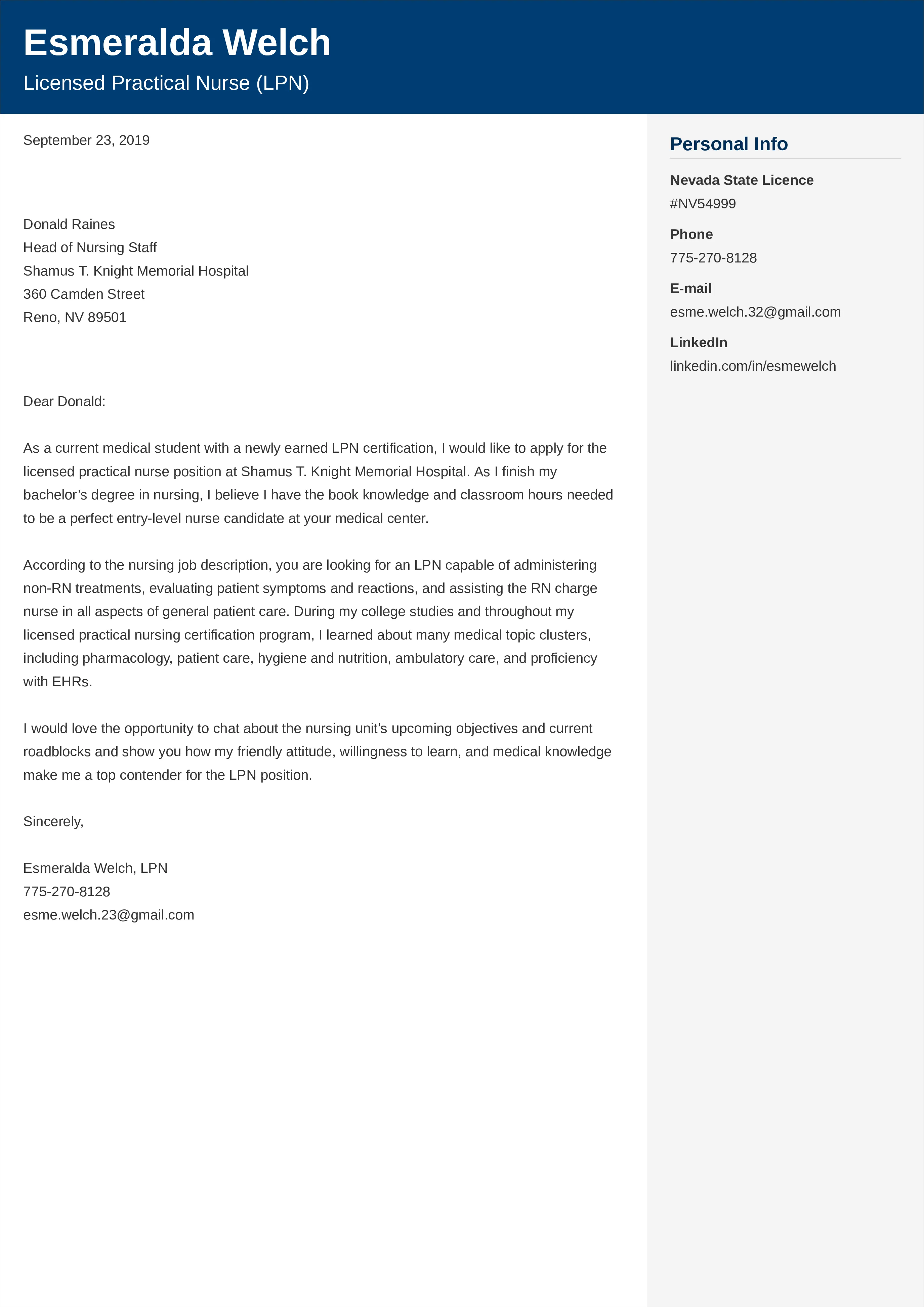
What Is a Cover Letter
A cover letter is a crucial document that accompanies your resume when applying for a job. It serves as your first introduction to a potential employer, offering a chance to make a strong first impression. Unlike your resume, which provides a factual overview of your experience and skills, a cover letter allows you to express your personality, enthusiasm, and suitability for the specific role. It’s your opportunity to connect with the hiring manager on a more personal level, demonstrating why you’re the ideal candidate. A well-crafted cover letter can significantly increase your chances of getting noticed and landing an interview.
Why Cover Letters Are Important
In today’s competitive job market, a cover letter provides a distinct advantage. It’s not just a formality; it’s a strategic tool that can set you apart from other applicants. Cover letters allow you to personalize your application and show genuine interest in the company and the position. They provide space to elaborate on specific experiences, connect your skills to the job requirements, and explain any gaps or unique circumstances in your work history. A compelling cover letter can showcase your communication skills, attention to detail, and understanding of the company’s needs, all of which are critical for getting a foot in the door.
Cover Letter Examples that Work

Many successful cover letter examples share common traits. These letters are tailored to the specific job, demonstrating a clear understanding of the role’s requirements and the company’s values. They are concise, well-structured, and engaging, grabbing the reader’s attention from the start. Effective examples highlight relevant accomplishments, quantify results whenever possible, and showcase a candidate’s personality and enthusiasm. These examples also focus on the employer’s needs, explaining how the applicant’s skills and experience can benefit the company. Looking at real-world examples will give you a blueprint for writing a great cover letter.
Cover Letter Structure
The structure of a cover letter is as important as its content. Begin with a professional header that includes your contact information and the date. Then, address the hiring manager by name, if possible. The body of the letter should include an introduction, a few body paragraphs, and a concise conclusion. The introduction should grab the reader’s attention, stating the position you’re applying for and why you’re interested. The body paragraphs should highlight your relevant skills and experiences, using specific examples to support your claims. Finally, the conclusion should reiterate your interest, summarize your qualifications, and include a clear call to action, such as requesting an interview.
Cover Letter Examples Formatting
Formatting is essential for readability and professionalism. Use a clean, easy-to-read font like Arial or Times New Roman, with a font size between 10 and 12 points. Maintain consistent spacing throughout the document, typically using single-spacing within paragraphs and double-spacing between paragraphs. Use left alignment for the text, avoiding full justification, which can create awkward spacing. The margins should be standard, usually one inch on all sides. Ensure your cover letter is no more than one page long, as hiring managers often have limited time to review applications. Proofread carefully for any formatting errors.
Essential Cover Letter Elements

A strong cover letter includes several essential elements. Begin with a compelling opening that immediately captures the reader’s interest. Highlight your relevant skills and experiences, providing specific examples to support your claims. Quantify your accomplishments whenever possible, using numbers and data to demonstrate your impact. Show genuine enthusiasm for the role and the company, demonstrating your understanding of their values and goals. Address the specific requirements outlined in the job description, explaining how your skills align with their needs. Finally, end with a clear call to action, expressing your interest in an interview and providing your contact information.
Skills to Showcase in a Cover Letter
Identify the key skills the employer is seeking and ensure they are clearly highlighted in your cover letter. Focus on both hard skills and soft skills. Hard skills are technical abilities and specific knowledge required for the job, such as proficiency in a particular software or knowledge of a specific industry. Soft skills are interpersonal abilities and personal attributes, such as communication, teamwork, problem-solving, and leadership. Provide examples of how you have used these skills to achieve positive results in past roles. Tailor your skill set to match the job description, emphasizing the skills that are most relevant and valuable to the employer.
Cover Letter Examples Tailoring to the Job
The most effective cover letters are customized for each job application. Avoid using a generic template; instead, carefully review the job description and company website to understand the specific requirements and expectations. Research the company’s values, mission, and culture to show that you understand their goals and priorities. Modify your letter to address the specific needs of the employer, highlighting the skills and experiences that are most relevant. Use keywords from the job description to demonstrate that you understand the role and are a strong fit. Tailoring your cover letter shows that you’ve invested time and effort, increasing your chances of getting noticed.
Highlight Your Achievements

Rather than simply listing your responsibilities, use your cover letter to showcase your achievements. Focus on the results you’ve delivered in previous roles. Use the STAR method (Situation, Task, Action, Result) to provide specific examples of your accomplishments. Describe the situation, the task you were assigned, the actions you took, and the positive results you achieved. Quantify your achievements whenever possible, using numbers and data to illustrate your impact. For instance, instead of saying “Improved customer satisfaction,” state “Improved customer satisfaction by 15% by implementing a new feedback system.” Highlighting achievements demonstrates your value to the company and makes your application more compelling.
Cover Letter Examples Proofreading
Before submitting your cover letter, proofread it carefully for any errors. Typos, grammatical mistakes, and formatting errors can create a negative impression, undermining your qualifications. Check your spelling, grammar, and punctuation. Ensure your sentences are clear and concise. Have a friend or colleague review your letter, as a fresh pair of eyes can often catch mistakes you might miss. Pay attention to details such as the company name and the hiring manager’s name to make sure they are accurate. Proofreading is a crucial step in the cover letter writing process and can significantly improve your chances of landing an interview.
Cover Letter Examples: Dos and Don’ts
There are several dos and don’ts to keep in mind when writing a cover letter. Do tailor your letter to each job, highlighting the skills and experiences that are most relevant. Do use a professional tone, avoiding slang or overly casual language. Do proofread carefully for any errors. Do keep your letter concise, ideally no more than one page. Don’t use a generic template, as this can make your application seem impersonal. Don’t repeat your resume; instead, elaborate on your accomplishments and skills. Don’t use clichés or generic phrases. Don’t include irrelevant information that doesn’t align with the job requirements.
Cover Letter Examples: Call to Action

Conclude your cover letter with a strong call to action. Reiterate your interest in the position and the company. Express your enthusiasm for the opportunity to contribute to their success. Clearly state your availability for an interview and provide your contact information, including your phone number and email address. Thank the hiring manager for their time and consideration. A well-crafted call to action reinforces your interest and makes it easy for the employer to take the next step, increasing your chances of getting an interview. Be confident and professional.