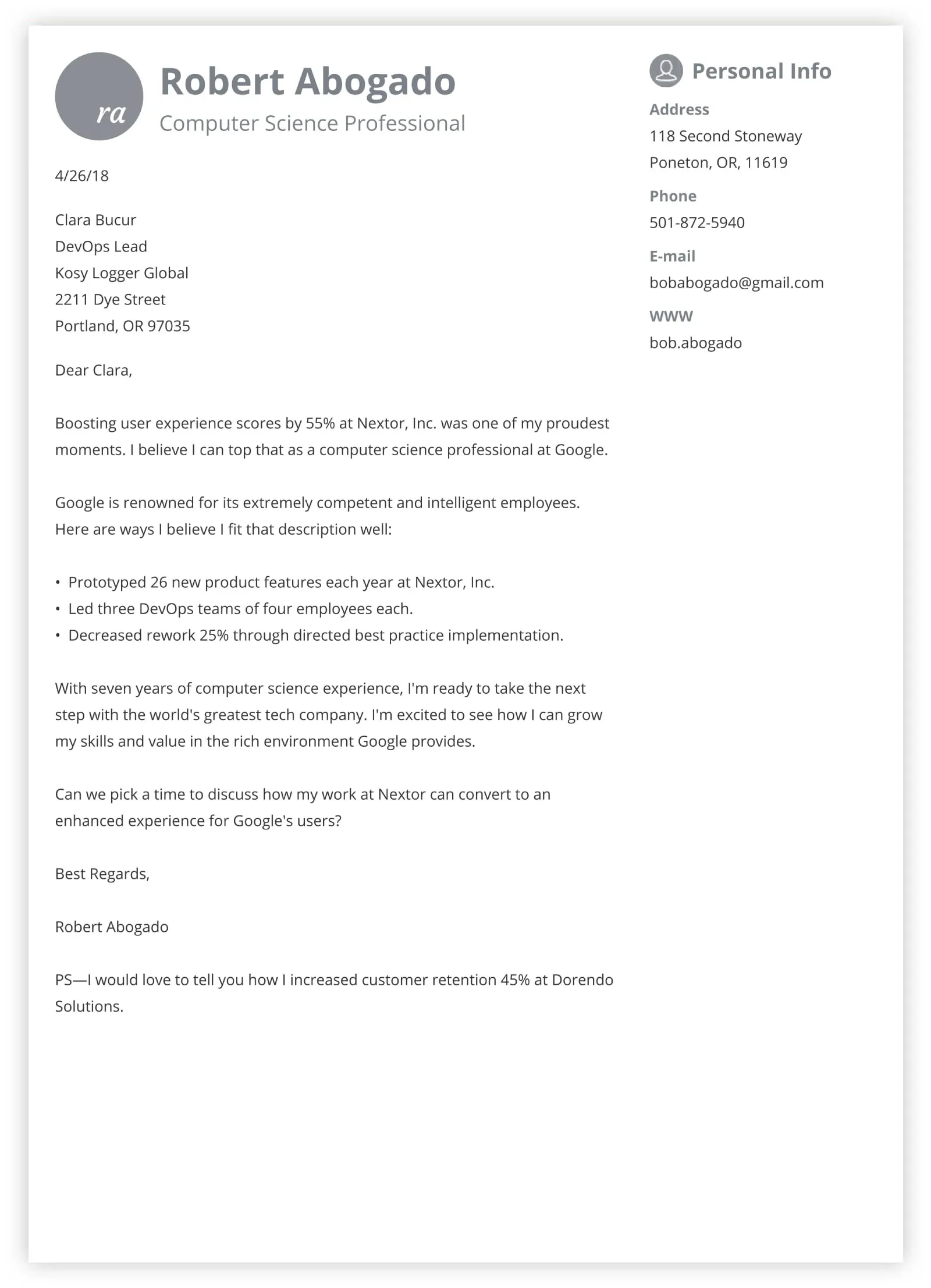
Cover Letter Essentials
A cover letter is a crucial component of your job application package, serving as your first introduction to a potential employer. It’s your opportunity to highlight your skills, experiences, and enthusiasm for the role. A well-crafted cover letter complements your resume by providing context and demonstrating your personality. It should not simply repeat your resume but instead elaborate on your key qualifications and explain why you are a perfect fit for the specific position. This guide will explore the essentials, offering key tips to help you create a compelling cover letter that stands out from the competition. Understanding these elements is the first step in crafting a document that captures attention and increases your chances of landing an interview.
Cover Letter Header
The header sets the tone for your cover letter, providing essential contact information and establishing a professional look. It’s the first thing the hiring manager will see, so it is essential to get it right. A clean, well-organized header shows attention to detail and respect for the reader’s time. Make sure the header is consistent with your resume for a unified brand. Using a professional font and layout also increases the document’s readability and overall appeal. This section provides all the necessary information to ensure the hiring manager can easily contact you, should they wish to proceed with your application. A good header is a sign of good preparation and professionalism, which are desirable qualities for any potential employee.
Your Contact Information

Include your full name, address, phone number, and professional email address. Ensure your email address is appropriate and professional; avoid using nicknames or informal addresses. Check your voicemail greeting to ensure it’s also professional. Your contact details should be easily visible and at the top left or right of the page. Double-check the accuracy of this information to prevent any communication errors that could cause you to miss out on opportunities. Keep the formatting consistent with your resume. This section is for the convenience of the hiring manager; make it easy for them to reach you.
Date
Place the date directly below your contact information. This date should reflect the day you are sending the cover letter. Ensure the date is formatted correctly, using a consistent style throughout your document. The date is important because it shows the hiring manager when the document was created, giving context to your application, especially if there are deadlines involved. It also demonstrates that you are aware of the application’s timeline and are taking the process seriously. Keeping the date up to date is essential, showing that you are actively involved in the job search process.
Hiring Manager’s Information
If possible, address your cover letter to a specific person, like the hiring manager or the recruiter. Research the company to find the correct name and title. Addressing the letter to a person shows you’ve done your homework and are genuinely interested in the role. If you can’t find a name, use a professional title like “Hiring Manager”. Avoid generic greetings if possible. This personalized approach significantly increases your chances of the hiring manager reviewing your cover letter and your application. Address the person with courtesy and respect, establishing a professional tone from the start, this shows respect and attention to detail.
Professional Greeting

Begin your cover letter with a professional greeting, such as “Dear Mr./Ms. [Last Name]” or “Dear Hiring Manager”. Avoid casual greetings like “Hi” or “Hello”. The greeting sets the tone for the entire letter, so choose it carefully. If you know the hiring manager’s name, use it; if not, use a professional title. Correct spelling and punctuation are crucial here. The greeting should be formal, showing respect and setting a professional tone. This is your first opportunity to make a positive impression on the hiring manager. A well-chosen greeting shows that you understand workplace etiquette and are attentive to detail.
Body of the Cover Letter
The body of your cover letter is where you highlight your qualifications and express your interest in the role. This section should be concise, well-written, and tailored to the specific job. It’s your chance to make a compelling case for why you are the ideal candidate. Organize the content logically, with a clear flow from your opening statement to your closing remarks. Each paragraph should serve a specific purpose, reinforcing your key skills, showcasing your accomplishments, and demonstrating your enthusiasm for the position. The body of the cover letter is crucial in making a positive impression on the hiring manager, prompting them to further consider your application. It should provide a compelling overview of your skills and experience, why you’re interested in the job, and why the hiring company should consider you.
Opening Paragraph
The opening paragraph of your cover letter should immediately capture the reader’s attention and state the purpose of your letter. Start by expressing your interest in the position and the company. Briefly mention how you found the job listing and what attracted you to the role. Show your understanding of the company’s mission, values, or recent achievements, to show your genuine interest. Use strong, clear language and avoid clichés. A strong opening sets the stage for the rest of your letter. This will highlight your interest and give the hiring manager a quick reason to read the rest of the letter. This is your first chance to make a great impression and convince the reader to look deeper into your qualifications. A concise and engaging opening paragraph that immediately captures their interest is essential.
State your purpose

Clearly state the position you are applying for in the first sentence. This ensures the hiring manager immediately understands the context of your letter. Mention where you saw the job posting. Briefly mention the company, showing that you know something about the employer. This section should be short and to the point, making your purpose immediately clear. Stating your purpose promptly avoids any confusion. This clarity helps the hiring manager quickly understand the context of your application. A clear purpose ensures that your application is correctly routed and evaluated. This increases the chances of your application being considered.
Highlight your key skills and experiences
Briefly highlight the skills and experiences most relevant to the job description. Focus on two or three key qualifications that align with the job requirements. Provide a brief overview of how your skills and experience make you a suitable candidate. Show how your abilities meet the employer’s needs. Connect your background with the job’s requirements. This shows the hiring manager you are a good fit for the role. Ensure your skills and experiences align with the job description’s requirements. Focus on what makes you unique as a candidate. Including key skills is an important part of highlighting your strengths and qualifications.
Middle Paragraphs
The middle paragraphs are where you provide more detail about your qualifications, skills, and experiences. These paragraphs should build on the foundation established in the opening. Your goal here is to demonstrate how your skills, experiences, and accomplishments align with the job requirements. Use specific examples to illustrate your abilities and show how you’ve succeeded in the past. Tailor these paragraphs to match the job description and highlight the qualifications that the employer is seeking. Maintain a professional tone and concise language, and keep the focus on the needs of the employer. Use strong action verbs and concrete evidence. The middle paragraphs should provide a compelling narrative that supports your claims and reinforces why you are a strong candidate.
Showcase accomplishments

Use the middle paragraphs to showcase your accomplishments. Mention previous roles where you’ve used similar skills. Discuss the results and how you contributed to previous employers. This shows how you can deliver value in a new role. Focus on your most significant achievements that are relevant to the job. Using metrics such as the percentage increase in sales or the completion of a project demonstrates your capabilities. Choose achievements that directly relate to the job description. Your accomplishments must give the hiring manager insights into your potential contributions. Highlighting your past accomplishments is a powerful way to prove your skills.
Quantify your achievements
Whenever possible, quantify your accomplishments. Use numbers, percentages, and specific data to demonstrate the impact of your work. Provide evidence to support your claims and show that you are results-oriented. Use metrics to illustrate your value to a previous employer. Quantifying your achievements is a very effective way to demonstrate the impact of your work. This demonstrates that you can deliver tangible results. Numbers help hiring managers quickly understand your achievements. Quantifiable achievements are much more impressive than vague statements. Provide proof to show how you’ve succeeded in previous roles.
Closing Paragraph
The closing paragraph should summarize your interest in the role and encourage further action. Reiterate your enthusiasm for the position and restate your interest in the company. Ensure the closing paragraph leaves the hiring manager with a strong impression. Reiterate your key strengths. Provide a call to action, such as inviting the hiring manager to contact you for an interview. Keep the tone professional and enthusiastic. This is your final opportunity to make a positive impression. It should be concise, persuasive, and forward-looking. A strong closing can greatly increase your chances of moving forward in the application process.
Express enthusiasm

Express your enthusiasm for the position and the company. Briefly restate why you are excited about the role and what attracts you to the company. Highlight how your skills and experience align with the company’s values or mission. This makes the hiring manager more interested in your application. Show your excitement in a professional manner. Enthusiasm adds a personal touch to your letter, making it more memorable. Expressing your enthusiasm helps to connect with the hiring manager. This can make you appear as a motivated candidate. Your enthusiasm can help differentiate you from other applicants.
Call to action
Include a clear call to action, such as requesting an interview or expressing your willingness to discuss your qualifications further. Make it easy for the hiring manager to take the next step. Be confident and proactive in your approach. Invite the hiring manager to contact you for an interview. You can offer to provide references or additional information. Make it clear that you are interested and ready to proceed. The call to action encourages the hiring manager to move forward. Having a clear call to action increases your chances of getting the job. A well-crafted call to action is crucial.
Cover Letter Closing
The closing is the final part of your cover letter, so it is important to end with a professional and respectful closing. The right closing can reinforce your message and leave a lasting impression. Make sure the closing complements the overall tone of your letter. The closing reflects your professionalism. The closing demonstrates your attention to detail.
Formal closing and Signature

Use a formal closing such as “Sincerely,” “Best regards,” or “Yours sincerely.” Avoid casual closings. Sign your name, either digitally if sending electronically or with a pen if sending a printed copy. Make sure your signature is readable. The formal closing and signature complete your cover letter. The closing and signature add a touch of professionalism. The right closing makes your cover letter more complete. Your signature is proof that you are the person who created this document. A professional closing and a signature help build credibility.
Proofread and Edit
Before submitting your cover letter, proofread it carefully for any errors in grammar, spelling, and punctuation. Errors can undermine your credibility. Have someone else review your cover letter to ensure accuracy. Pay close attention to the formatting to ensure a professional look. Proofreading is essential to a strong cover letter. This shows attention to detail. It shows you are committed to presenting a well-written application. Proofreading ensures accuracy and improves your chances of success. Proofreading helps catch any mistakes. Carefully proofread your cover letter to catch and correct any errors. (proofreading-cover-letter.webp)