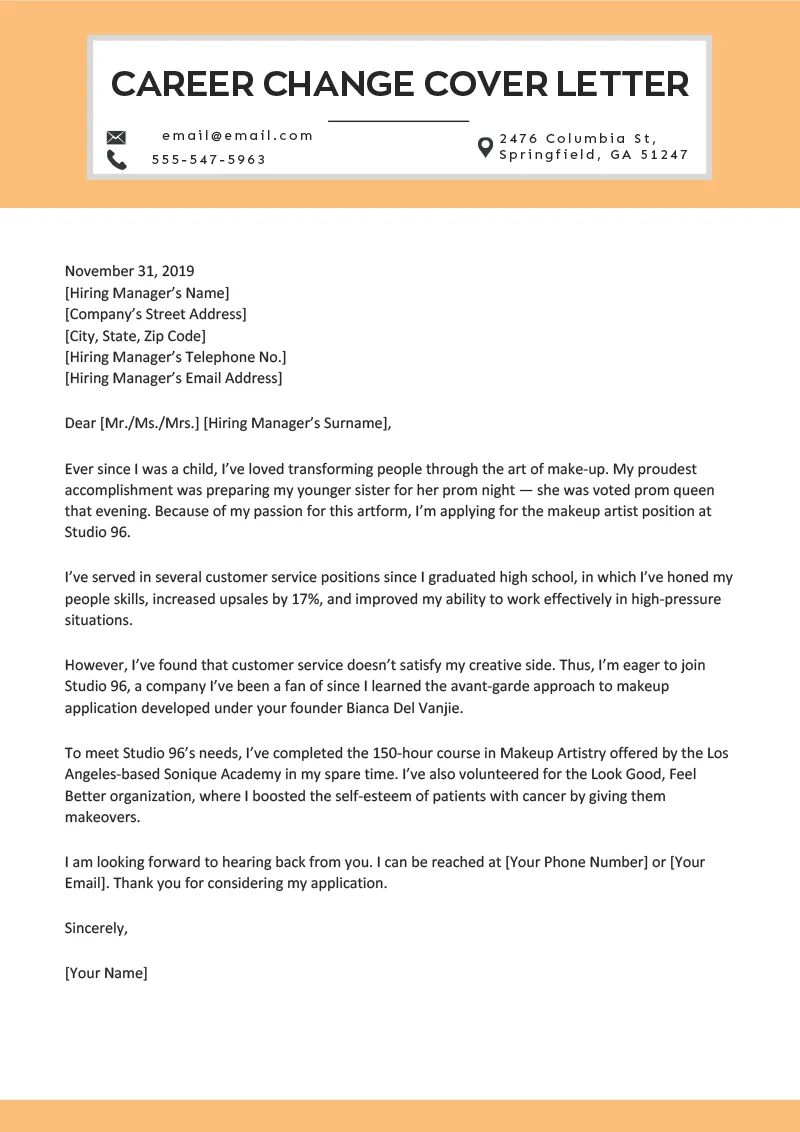
Crafting a Compelling Cover Letter for a Career Change
Embarking on a career change can be an exciting yet daunting experience. One of the most crucial tools in your arsenal is a well-crafted cover letter. Unlike traditional cover letters, a career change cover letter needs to address the shift directly, highlight transferable skills, and demonstrate your enthusiasm for the new field. This guide will provide you with the essential elements to create a cover letter that captures the attention of hiring managers and increases your chances of landing your dream job. Let’s dive into the key components that will make your cover letter stand out from the competition and help you successfully navigate your career transition.
Highlighting Transferable Skills
A career change often means moving into a role that is different from your previous experience. That is where highlighting your transferable skills becomes critical. These are the skills you have gained in past roles that can be applied to your new desired position. Examples include communication, problem-solving, leadership, time management, and teamwork. When writing your cover letter, identify these skills and provide specific examples of how you have utilized them in past experiences. This approach helps employers see the value you bring to the table, even without direct experience in the new field. Demonstrate these skills by using the STAR method (Situation, Task, Action, Result) to describe your accomplishments and skills in action.
Identifying and Emphasizing Relevant Experience

While you might lack direct experience in the new field, it is important to identify and emphasize any relevant experiences. This could include projects, volunteer work, or even hobbies that align with the job requirements. If you have taken courses, completed certifications, or participated in workshops related to the new field, be sure to mention them. Framing your past experiences in a way that aligns with the new role will make it easier for the hiring manager to understand your potential. By highlighting relevant experiences, you provide concrete evidence of your interest and abilities in the new field. Make sure you adjust your resume and cover letter so that they emphasize experiences that are most relevant to the job description.
Addressing the Career Change Directly
Don’t shy away from addressing your career change head-on in your cover letter. Be upfront about your decision and explain why you are making the transition. Provide a concise and compelling explanation of your motivations. Explain what has sparked your interest in the new field and what you hope to achieve in your new role. Avoid making negative comments about your past experiences; instead, focus on the positive aspects of your career change. Highlight what excites you about the new career path and how your skills align with the requirements of the job. This transparency helps build trust and demonstrates that you’ve thoughtfully considered the shift.
Showcasing Your Enthusiasm and Motivation
Your enthusiasm and motivation are vital for a successful career change. Your cover letter should exude energy and a genuine interest in the new role. Express your excitement about the opportunity and what you look forward to contributing. Share your goals for professional development and demonstrate that you have researched the company and the industry. The more you express your passion, the more compelling you will be to employers. Showcasing enthusiasm will help the hiring manager understand why you are making the career change and increase your chances of getting an interview. Demonstrate that you have a proactive attitude and are ready to take on new challenges.
Quantifying Achievements and Skills

Instead of just listing your skills and experiences, quantify them whenever possible. Using data and numbers will help hiring managers understand the impact of your work. For example, instead of saying you improved customer service, you could say, “Improved customer satisfaction scores by 15% within six months.” Quantifying your achievements makes your cover letter more impactful and memorable. Use metrics and data to illustrate your accomplishments and how you contributed to your previous roles. This approach provides concrete evidence of your abilities and helps demonstrate the value you bring to the table. This is also a good opportunity to use keywords relevant to the job you are applying for.
Formatting and Structure for Career Change Cover Letters
Header and Contact Information
Begin your cover letter with a professional header that includes your name, contact information, and the date. Make sure your contact information is up-to-date and easy to find. This makes it easy for the hiring manager to contact you if they decide to move forward with your application. It is a standard practice but very important to ensure the application process is efficient.
Professional Salutation

Use a professional salutation like “Dear Mr./Ms. [Last Name]” if you know the hiring manager’s name. If you don’t, a general salutation like “Dear Hiring Manager” is acceptable. Avoid generic salutations like “To Whom It May Concern.” Personalizing the salutation shows that you have taken the time to research the company and the role. This small detail can make a big difference in making a good first impression.
Opening Paragraph — Hook the Reader
The opening paragraph is your chance to grab the reader’s attention. Briefly state the position you are applying for and why you are interested. Address the career change directly, but keep it concise. This paragraph sets the tone for the entire letter, so make sure it is engaging and clearly states your intent. Make your reason for the career change clear from the outset.
Body Paragraphs — Showcase Your Value
Use the body paragraphs to highlight your skills, experiences, and accomplishments. This is where you demonstrate how your transferable skills and relevant experiences align with the job requirements. Provide specific examples and use the STAR method to showcase your achievements. Quantify your achievements whenever possible to make your claims more persuasive. Focus on what you can bring to the role and the value you can provide to the company. Be sure to tailor your cover letter for each job application.
Closing Paragraph — Call to Action

End your cover letter with a strong closing paragraph. Reiterate your interest in the position and the company. Thank the hiring manager for their time and consideration. Include a call to action, such as stating that you are available for an interview and eager to discuss your qualifications further. This concluding paragraph shows that you are proactive and determined.
Proofreading and Editing — Ensuring Perfection
Before submitting your cover letter, carefully proofread it for any errors in grammar, spelling, and punctuation. Errors can undermine your credibility and make a poor impression on the hiring manager. If possible, have someone else review your cover letter to catch any mistakes you might have missed. Ensure the formatting is consistent and the language is professional. Pay close attention to details, as it reflects professionalism and attention to detail, which are valuable in any role.
Tailoring Your Cover Letter for Each Job
Researching the Company and Role

Before you start writing your cover letter, conduct thorough research on the company and the specific role you are applying for. Understand the company’s mission, values, and culture. Review the job description carefully to understand the requirements and responsibilities. This information will help you tailor your cover letter to the specific needs of the employer, which is more likely to capture their attention and show that you are a good fit.
Matching Your Skills to the Job Description
Carefully match your skills and experiences to the requirements outlined in the job description. Identify the key skills and qualifications the employer is seeking and highlight your relevant experiences. Use keywords from the job description in your cover letter to show that you meet the qualifications. Demonstrating the alignment between your skills and the job requirements will greatly increase your chances of success. Make sure you tailor your cover letter each time you apply.
Using Keywords Effectively
Use relevant keywords from the job description naturally throughout your cover letter. This helps the hiring manager quickly identify your qualifications and see that you’re a good fit. Avoid keyword stuffing, which can make your cover letter sound unnatural and detract from your message. Integrate the keywords seamlessly into your sentences and phrases to show that you understand the role and its requirements. This practice also helps in applicant tracking systems (ATS), which can scan your resume and cover letter for the right keywords.
Showcasing Your Personality and Fit

While it’s important to be professional, also let your personality shine through. Share your enthusiasm and passion for the new field and express why you’re excited about the opportunity. Show the hiring manager how your values align with the company culture. This makes your cover letter more engaging and memorable and helps you connect with the hiring manager on a personal level. Demonstrate how your personality and unique experiences can add value to the team.
Common Mistakes to Avoid in Career Change Cover Letters
Focusing Too Much on Past Roles
While it’s important to mention your past experiences, don’t overemphasize them, especially if they are unrelated to your desired career. The hiring manager is more interested in what you can bring to the new role, so focus on transferable skills and relevant experiences. Keep your focus on the future and how your skills can be applied. Avoid dwelling on past roles that are not relevant; instead, connect your experiences to the job you are applying for.
Being Vague or Generic
Avoid using generic language that could apply to any job. Tailor your cover letter to the specific role and company. Provide concrete examples and quantify your achievements to make your claims more persuasive. Generic cover letters don’t show your genuine interest or qualifications. They appear lazy and can quickly lead to your application being overlooked. Make sure you research and tailor your cover letter.
Failing to Address the Career Change
One of the biggest mistakes is avoiding the career change altogether. It’s important to address your transition directly. Explain why you are making the change and how your skills align with the new role. Ignoring this aspect can create confusion and raise questions for the hiring manager. By being upfront about your career change, you demonstrate that you have thoughtfully considered your career goals and are prepared for the transition. Make sure you address your career change.
Neglecting to Proofread
Errors in grammar, spelling, and punctuation can undermine your credibility and make a poor impression on the hiring manager. Always proofread your cover letter carefully before submitting it. It’s also a good idea to have someone else review your letter to catch any mistakes you might have missed. Take the time to ensure your cover letter is polished, professional, and free of errors. This will demonstrate your attention to detail and professionalism.
Top 5 Tips for a Successful Career Change Cover Letter
Tip 1 — Emphasize Transferable Skills
Focus on the skills you’ve developed in past roles that are applicable to your new career. This can be done by highlighting the skills relevant to the job description. This can include communication, problem-solving, and leadership skills. Tailor the examples of how you have used these skills in your previous roles. Showcase your relevant skills to make the application stand out and increase your chances of getting an interview. Be certain to highlight the skills that are useful to the role.
Tip 2 — Quantify Your Accomplishments
Instead of simply listing what you’ve done, use numbers and data to showcase your achievements. Numbers will help you to prove your accomplishments. Provide specific examples of how you’ve made an impact in your previous roles. Quantifying achievements gives concrete evidence of your value. This makes your cover letter more persuasive and memorable to the hiring manager. Quantify your achievements for the best results.
Tip 3 — Tailor to the Specific Job
Customize each cover letter to match the requirements of the job you are applying for. Carefully review the job description and highlight the skills and experiences that align. Demonstrate how your skills match the role and express your understanding of the role. This shows the hiring manager that you have put in the effort to understand their needs. It’s essential to tailor your cover letter to each job application.
Tip 4 — Show Enthusiasm and Passion
Express your excitement for the new field and your motivation for the career change. Your enthusiasm is infectious and can make a strong impression. Share what you’re most looking forward to contributing to the new role. Show your interest in the company and how your skills can align with the company. Demonstrate why you are the perfect fit for the role.
Tip 5 — Proofread Carefully
Proofread your cover letter for any errors in grammar, spelling, and punctuation. Get someone else to review your letter. Errors can damage your credibility. Make sure your letter is free of errors. Attention to detail is key in any professional setting, and a polished cover letter demonstrates your professionalism. Always proofread your letter.