Why a Great Cover Letter Matters
In today’s competitive job market, a well-crafted cover letter is more important than ever. It serves as your first introduction to a potential employer and provides an opportunity to showcase your personality, skills, and enthusiasm for the role. Unlike your resume, which presents a factual overview of your experience, a cover letter allows you to tell a story, explaining why you’re the perfect fit for the specific position and company. It’s your chance to make a strong first impression and persuade the hiring manager to read your resume more closely. A compelling cover letter can significantly increase your chances of getting an interview, setting you apart from other applicants who may only submit a resume. Remember, the goal is to grab their attention and highlight what makes you unique and qualified for the job.
Focus on the Basics
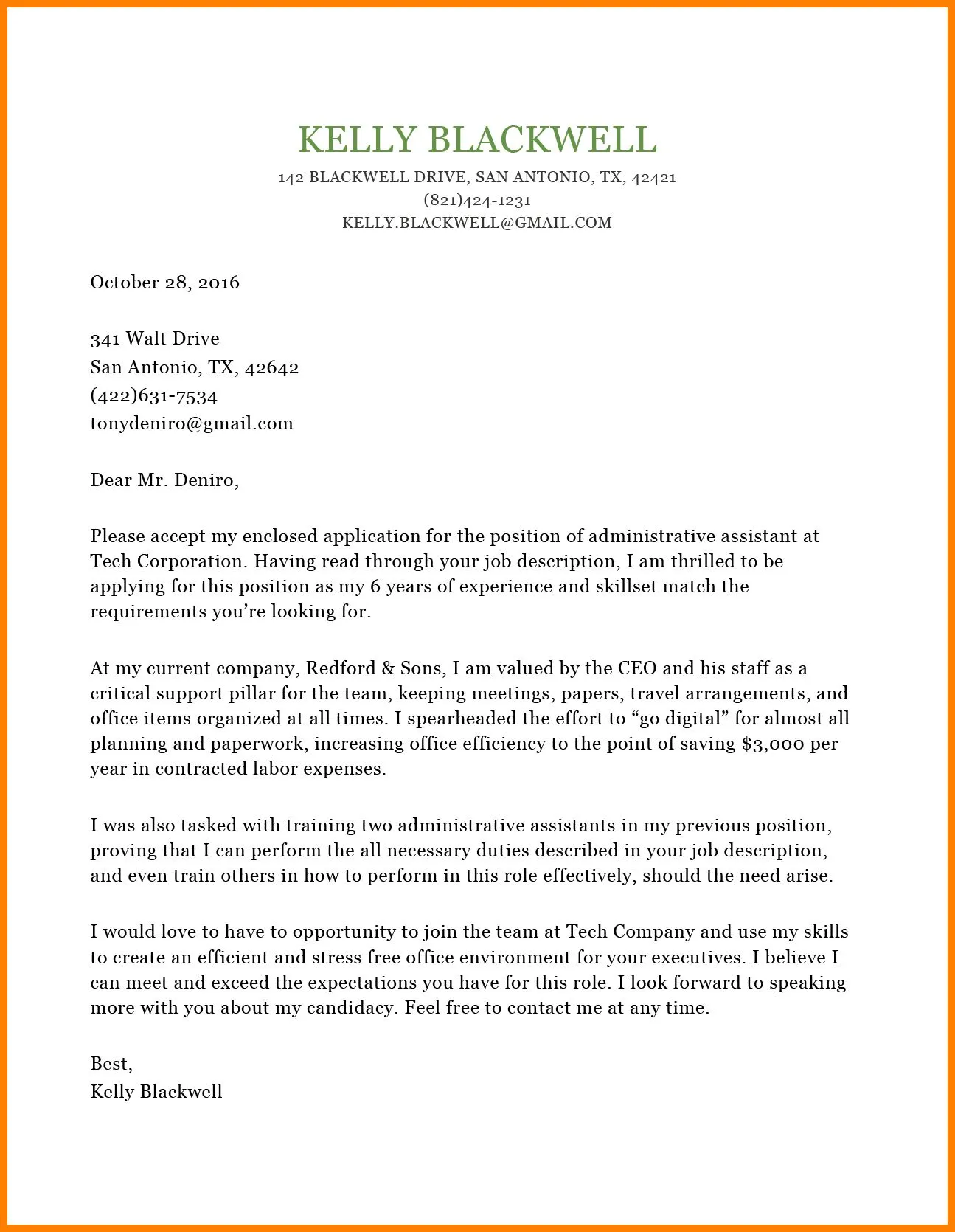
Before diving into advanced strategies, ensure you cover the essential elements. Start with a professional header that includes your contact information and the date. Address the letter to a specific person, if possible; research the hiring manager’s name on LinkedIn or the company website. The opening paragraph should immediately state the position you’re applying for and how you found the opportunity. Keep the tone professional and concise, avoiding jargon or overly casual language. Use a clear and easy-to-read font like Arial or Times New Roman, and maintain consistent formatting throughout. Always proofread for typos and grammatical errors, as these can create a negative impression and diminish your credibility. By adhering to these basics, you establish a foundation of professionalism that will elevate the rest of your letter.
Highlight Key Skills and Experience

Your cover letter is the ideal place to highlight the skills and experiences most relevant to the job requirements. Review the job description carefully and identify the key qualifications the employer is seeking. Then, select a few of your most impressive accomplishments that demonstrate these skills. Use the STAR method (Situation, Task, Action, Result) to structure your examples. Briefly describe the situation you were in, the task you needed to accomplish, the actions you took, and the positive results you achieved. Quantify your achievements whenever possible; for example, instead of saying ‘improved customer satisfaction,’ say ‘increased customer satisfaction by 15%.’ Tailor these examples to align with the specific needs of the role, showcasing how your past experiences have prepared you for this opportunity. This targeted approach helps the hiring manager quickly understand your value and potential contributions to the company.
Tailor Your Letter to Each Job
Generic cover letters are easily spotted and often discarded. To truly impress employers, personalize each letter to the specific job and company. Research the company’s mission, values, and recent projects to demonstrate your genuine interest. In your letter, explain why you’re drawn to this particular organization and how your goals align with theirs. Address the specific requirements outlined in the job description, and use keywords from the posting to show you understand the role. Mention specific ways you can contribute to the company’s success based on your skills and past experiences. This level of customization shows that you’ve invested time and effort, which significantly increases your chances of making a positive impression. Furthermore, it illustrates that you’re not just looking for any job but are genuinely interested in this specific opportunity.
Demonstrate Your Enthusiasm
Your cover letter should convey genuine enthusiasm for the position and the company. Show that you’re excited about the opportunity and that you’ve taken the time to learn about their work. Use positive and energetic language to express your passion. Describe what aspects of the role or company particularly appeal to you. Explain how your skills and experiences align with their needs and how you can contribute to their success. A sincere display of enthusiasm can significantly set you apart from other applicants. Remember to maintain a professional tone while still letting your personality shine through. This can be as simple as stating your excitement about the company’s work or mentioning how much you’re looking forward to the challenges of the role. Employers want to hire individuals who are eager to join their team and contribute to their goals.
Showcase Your Value

Rather than simply listing your qualifications, focus on the value you bring to the table. Think about how your skills, experiences, and accomplishments can benefit the employer. Frame your letter around the specific needs of the company and how you can help them achieve their goals. For example, if the job description emphasizes problem-solving skills, provide an example of a time you successfully solved a complex issue and the positive impact your actions had. Quantify your achievements whenever possible to demonstrate the tangible value you can provide. This could include metrics like increased sales, improved efficiency, or cost savings. By showcasing your value proposition, you make a compelling case for why the employer should choose you. This approach ensures that your letter stands out and effectively communicates your ability to contribute to the organization’s success.
Proofread and Edit Thoroughly
Before submitting your cover letter, carefully proofread and edit it multiple times. Errors in grammar, spelling, and punctuation can create a negative impression, suggesting a lack of attention to detail. Read your letter aloud to catch any awkward phrasing or unclear sentences. Ask a friend, family member, or career counselor to review your letter and provide feedback. They can often spot mistakes you might have missed. Ensure that your contact information is accurate and up-to-date. Double-check the company name and the name of the hiring manager (if you know it). A well-written and error-free cover letter demonstrates professionalism and a commitment to excellence. Taking the time to proofread and edit can significantly improve your chances of making a positive impression and securing an interview. A flawless cover letter shows that you care about every detail, which is a crucial attribute employers seek.
Following Up After Submission
After submitting your cover letter and resume, it’s appropriate to follow up with the hiring manager or recruiter. A follow-up demonstrates your continued interest in the position and allows you to reiterate your qualifications. Send a brief, polite email or make a phone call about a week after you submitted your application, unless the job posting specifies otherwise. In your follow-up, express your gratitude for their time and reiterate your interest in the position. Mention something specific from the job description or your research about the company to show you paid attention. Keep the tone professional and concise. If you haven’t heard back within a reasonable timeframe (e.g., a few weeks), you can send a second follow-up. However, avoid being overly persistent. Following up thoughtfully can help you stay top-of-mind and increase your chances of being selected for an interview. It shows you are proactive and eager about the job.