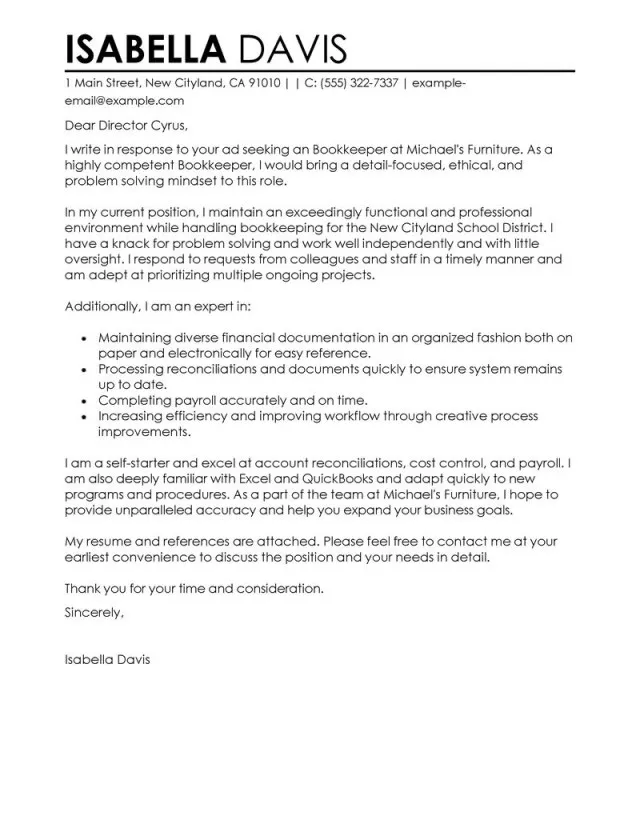
Crafting the Perfect Cover Letter
A cover letter is your first chance to make a lasting impression on a potential employer. It’s a crucial document that accompanies your resume, providing context and showcasing your unique qualifications. In today’s competitive job market, a well-crafted cover letter can make the difference between landing an interview and getting lost in the stack of applications. It’s an opportunity to tell your story beyond your resume and convince the hiring manager that you’re the ideal candidate. This guide will provide you with seven pro tips to help you write a cover letter that will grab the attention of recruiters and get you hired.
Understanding the Purpose of a Cover Letter
The primary purpose of a cover letter is to introduce yourself to the hiring manager and express your interest in a specific position. It’s a formal document designed to give additional insight into your qualifications and showcase your personality. A well-written cover letter allows you to explain why you’re interested in the company and how your skills and experience align with their needs. It’s an opportunity to highlight key aspects of your resume and to demonstrate your writing and communication skills, which are essential in any professional role.
Why Cover Letters Still Matter

Despite the increasing use of online applications and the popularity of resume-only submissions, cover letters are still a critical part of the job application process. They are essential for demonstrating your genuine interest and commitment to the role, setting you apart from candidates who may only submit a resume. A tailored cover letter shows that you’ve invested time and effort to understand the company and the position. Furthermore, a well-written cover letter allows you to address any potential concerns the hiring manager may have based on your resume, such as gaps in employment or career changes. A cover letter lets you show that you’re more than just a list of skills; you’re a real person with passion.
Tip 1: Personalize Your Cover Letter
One of the biggest mistakes job seekers make is sending generic cover letters. Avoid this by personalizing each cover letter to the specific role and company you’re applying to. A generic letter suggests that you are sending the same application to multiple companies, which doesn’t show any real interest. Personalizing your letter shows that you’ve invested time and effort into understanding the specific job and are genuinely excited about the opportunity. A personalized cover letter makes a positive impression and increases your chances of getting noticed by the hiring manager and getting an interview.
Researching the Company and the Role
Before you start writing your cover letter, research the company and the specific role thoroughly. Visit the company’s website, read their mission statement, and check their social media profiles. Understand their values, culture, and recent projects. Review the job description carefully and identify the key skills and qualifications they are looking for. Knowing these details allows you to tailor your cover letter and highlight the aspects of your experience and skills that align with their needs. Demonstrating that you’ve done your homework shows your proactive approach and genuine interest in the role, setting you apart from candidates who haven’t taken the time to do the same.
Tailoring Your Letter to the Job Description

Use the job description as your guide when writing your cover letter. Identify the keywords and phrases used in the job description and incorporate them into your letter. Make sure you highlight the skills and experiences most relevant to the position. Provide specific examples of how you’ve demonstrated these skills in the past. By tailoring your letter, you demonstrate that you understand the position and are a strong candidate. Make sure you show the hiring manager that you have the skills they are looking for and that you understand their needs.
Tip 2: Highlight Relevant Skills and Experience
Your cover letter should act as a bridge between your resume and the job description. It’s an opportunity to elaborate on your skills and experiences and demonstrate how they relate to the position. Don’t simply restate your resume; instead, provide compelling details that show your abilities. Focus on the most relevant skills and experiences, and use your examples to align with the specific requirements of the job. This will help the hiring manager quickly understand how you can contribute to their team.
Show, Don’t Just Tell
Instead of simply listing your skills, show the hiring manager what you’ve achieved. Use concrete examples and quantifiable results to demonstrate your capabilities. For example, instead of saying you are a “good communicator,” provide a specific situation where your communication skills led to a positive outcome. If you are a “problem-solver,” give an example of how you successfully resolved a challenge. Using concrete examples makes your cover letter more engaging and memorable while providing actual evidence of your abilities.
Quantifying Your Achievements

Whenever possible, quantify your achievements to make a greater impact. Use numbers, percentages, and specific data to demonstrate the results you’ve achieved in previous roles. For example, if you increased sales, state the percentage increase. If you reduced costs, state the amount saved. Quantifiable results provide tangible evidence of your skills and abilities, making your accomplishments more impressive and memorable. They also make it easier for the hiring manager to assess your value to the company and to understand the impact you’ve had in previous positions.
Tip 3: Showcase Your Personality
While maintaining a professional tone is important, your cover letter should also showcase your personality. It’s your chance to show your genuine self and give the hiring manager a sense of who you are beyond the information listed in your resume. Injecting your personality makes your letter more engaging and memorable, and it can help you stand out from other applicants. This is your opportunity to create a connection with the hiring manager and show that you would be a good fit for the company culture.
Finding the Right Tone
The tone of your cover letter should be professional but also reflect your personality. It should be formal enough to convey respect for the company, yet friendly and engaging enough to grab the reader’s attention. The key is to strike a balance between the two. Avoid being overly casual or informal, but don’t be afraid to let your enthusiasm and unique voice come through. Tailor your tone to the company culture. If the company has a more relaxed atmosphere, you can adopt a slightly less formal tone. Your tone should always feel appropriate for the industry and the specific role.
Demonstrating Enthusiasm

Expressing genuine enthusiasm for the role and the company is important. Clearly state why you’re interested in the position and what excites you about the opportunity. Show that you’ve done your research and understand the company’s mission, values, and goals. Highlight the aspects of the role that you find most appealing and explain how your skills and experience align with their needs. Your enthusiasm will convey your passion for the opportunity and make a positive impression on the hiring manager. Demonstrate that you’re not just looking for a job, but are excited about working for their company.
Tip 4: Structure and Formatting
The structure and formatting of your cover letter can significantly impact its readability and impact. A well-formatted cover letter is easy to read and allows the hiring manager to quickly grasp the key information. Proper formatting demonstrates your attention to detail and professionalism. Following a standard structure will make your cover letter look polished and professional, increasing your chances of making a positive impression and getting to the next stage of the hiring process.
Header and Contact Information
Start your cover letter with a professional header that includes your contact information: your name, phone number, email address, and LinkedIn profile URL. If you are submitting a physical copy, include your address as well. Include the date, the hiring manager’s name and title (if known), and the company’s address. Use a clear and easy-to-read font, like Times New Roman, Arial, or Calibri. Make sure your header is properly formatted and easy to find and read.
Proper Salutations and Closings

Always start your cover letter with a proper salutation. If you know the hiring manager’s name, use “Dear Mr./Ms./Mx. [Last Name].” If you don’t know the name, use a general greeting like “Dear Hiring Manager.” End your cover letter with a professional closing, such as “Sincerely,” “Best regards,” or “Thank you.” Use a closing that is appropriate for the company culture and the tone of your letter. Ensure that the closing is followed by your typed name and any relevant credentials.
Tip 5: Keep It Concise
Hiring managers are busy, so keeping your cover letter concise and to the point is essential. Avoid lengthy paragraphs and unnecessary details. Instead, focus on the most relevant information, expressing your key points clearly and efficiently. A well-written cover letter should be easy to read and quickly convey why you are the best candidate for the job. A concise cover letter shows respect for the hiring manager’s time and demonstrates that you are capable of communicating effectively.
The Ideal Length
The ideal length for a cover letter is typically one page. Try to write a cover letter that is concise but thorough, covering all essential points without going overboard. Keep your paragraphs short and focused. Prioritize the most important information and avoid rambling or including irrelevant details. A well-written, one-page cover letter demonstrates that you can communicate effectively and prioritize information, which is a highly valued skill in most professional environments.
Avoiding Redundancy

Avoid repeating information that’s already in your resume. Your cover letter should complement your resume, not duplicate it. Focus on expanding on key points, providing context, and explaining why you are the best fit for the role. Don’t simply restate your skills and experience. Instead, highlight specific achievements and explain how your qualifications align with the company’s needs. The most effective cover letters offer new information and provide insights that help the hiring manager get a clear picture of your skills and experience.
Tip 6: Proofread Meticulously
Proofreading is a crucial step in the cover letter writing process. Before submitting your application, carefully proofread your cover letter to make sure it’s free of any errors. Typos, grammatical errors, and inconsistencies can undermine your credibility and make a negative impression. Taking the time to proofread your cover letter demonstrates your attention to detail and commitment to quality. It also ensures that your writing is clear and effective.
Checking for Grammatical Errors
Carefully check your cover letter for any grammatical errors, such as incorrect verb tenses, subject-verb disagreements, and incorrect punctuation. Use a grammar checker tool, but also read your letter aloud to catch any errors that software may miss. Ensure that your sentences are clear, concise, and easy to understand. A well-written cover letter with no grammatical errors reflects professionalism and strong communication skills, which are critical for almost any job.
Ensuring Clarity and Flow

Beyond checking for grammatical errors, ensure your cover letter flows logically and is easy to read. Review the structure and organization of your letter. Make sure that each paragraph has a clear purpose and that the ideas are presented in a logical order. Use transition words and phrases to connect your ideas and make your letter more cohesive. A clear and well-structured cover letter is easier to read and comprehend, making a positive impression on the hiring manager and setting you apart from other applicants.
Tip 7: Call to Action and Follow-up
Your cover letter should conclude with a clear call to action. Express your interest in the position and reiterate your desire to move forward in the hiring process. A strong call to action encourages the hiring manager to take the next step and contact you. This can significantly increase your chances of getting an interview. Also, it demonstrates confidence and enthusiasm for the role, signaling to the hiring manager that you are serious about the opportunity.
Expressing Your Interest
In your closing, reiterate your enthusiasm for the position and express your interest in discussing your qualifications further. Let the hiring manager know that you are eager to learn more about the role and the company. Show confidence in your abilities and reiterate your desire to contribute to their team. Avoid generic phrases and tailor your closing to the specific company and the opportunity. A genuine expression of interest can make a lasting impression on the hiring manager and help you move forward in the application process.
Thanking the Recruiter
Always thank the hiring manager for their time and consideration. Express your gratitude for the opportunity to apply for the position. A simple thank-you shows respect and professionalism, which are qualities employers value. A thoughtful thank-you note can leave a positive impression and increase the likelihood of getting an interview. Showing gratitude is a small gesture that can have a big impact on your application.