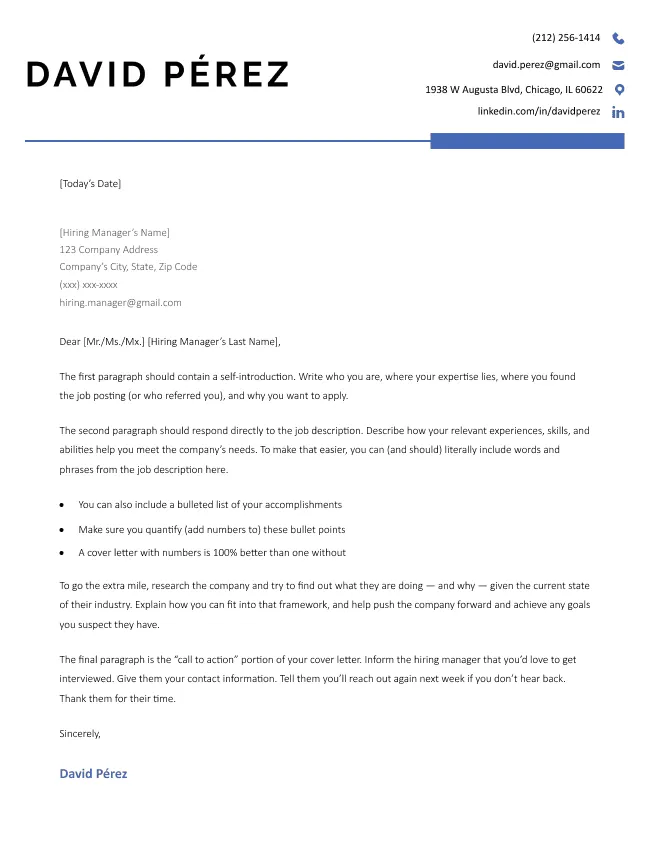
Understanding Cover Letters for Job Applications
In the competitive landscape of job applications, a well-crafted cover letter can be your most potent weapon. Often overlooked, the cover letter provides the crucial first impression that complements your resume. It is your opportunity to showcase your personality, enthusiasm, and tailored suitability for a specific role. Unlike a resume, which presents a summary of your experience, a cover letter allows you to tell a story, highlighting why you are the ideal candidate and why the employer should take notice. When done right, a cover letter transforms a standard job application into a compelling narrative of your skills and aspirations, increasing your chances of landing an interview. This is why understanding and utilizing different cover letter job application templates is essential for anyone seeking employment.
The Purpose of a Cover Letter
The primary purpose of a cover letter is to introduce you to a potential employer and to express your interest in a specific job. Beyond this initial introduction, a cover letter serves several other critical functions. It provides context to your resume, allowing you to connect your skills and experiences to the job requirements. A well-written cover letter demonstrates your understanding of the company’s needs and how you can contribute to their goals. It is also a platform to highlight your soft skills, such as communication, teamwork, and problem-solving abilities, which might not be immediately apparent from a resume. In essence, the cover letter acts as a bridge, connecting your professional history with the future goals of the employer, making it an indispensable part of your application package.
Key Components of a Cover Letter

A compelling cover letter is made up of several key components that work together to create a strong first impression. It begins with a professional header, including your contact information and the date, followed by the employer’s details. The opening paragraph should immediately capture the reader’s attention, stating the position you are applying for and where you saw the job posting. The body of the letter, the most crucial part, should showcase your relevant skills and experiences, demonstrating how they align with the job requirements. Always tailor this section to each job application, highlighting achievements and skills that align with the specific role. Finally, a strong closing paragraph should reiterate your interest in the position and thank the employer for their time and consideration, including a call to action, such as expressing your eagerness for an interview. Remember to maintain a professional tone and proofread your letter carefully.
10 Cover Letter Templates for Job Applications
Different job applications call for different approaches. Having access to various cover letter templates can significantly streamline your application process. Here’s a selection of 10 different cover letter templates, each designed to highlight different aspects of your skills and experience, and help you adapt your approach to various job applications.
Template 1 The Basic Template
The basic template is a straightforward option for those with solid, relevant experience. It focuses on directly stating your interest, briefly mentioning key skills, and directing the reader to your resume for more details. It is suitable for applications where your skills and experience directly match the job requirements. This template ensures clarity and concise communication, making it easy for the employer to quickly understand your qualifications. It typically consists of a brief introduction, a few key skills sections, and a strong closing, all formatted in a professional manner to convey your enthusiasm and readiness for the role. This template’s simplicity is its strength, allowing your core competencies to shine without unnecessary embellishment.
Template 2 The Skills-Focused Template

The skills-focused template is ideal for highlighting specific skills and competencies. This template is especially effective if the job description emphasizes particular skills. It uses bullet points or short paragraphs to showcase your capabilities, linking each one to the job requirements. When using this template, it’s crucial to match your skills with the job description, ensuring that you use the same keywords. This focused approach helps the hiring manager quickly identify the value you bring, emphasizing your ability to meet the role’s demands. Tailor the skills to match those listed in the job description. This approach demonstrates a targeted understanding of the role’s needs and your ability to fulfill them.
Template 3 The Accomplishment-Oriented Template
This template shines the spotlight on your achievements and successes, ideal for demonstrating the impact you’ve made in previous roles. It highlights tangible results with quantifiable metrics, showing your value to potential employers. By detailing your accomplishments using action verbs, you bring your experience to life. It showcases how your skills have translated into measurable achievements. Focus on the key accomplishments that align with the job’s responsibilities. This template is useful for roles that require proven track records and a results-driven approach. Always quantify your accomplishments to provide concrete evidence of your capabilities. When possible, provide data and numbers to demonstrate your contribution and successes.
Template 4 The Networking Template
The networking template is perfect for applications where you have a connection to the company or the hiring manager. It highlights the personal connection and references, or the individual who referred you. Starting with a reference to the mutual connection, this template immediately grabs the reader’s attention. It can quickly establish your credibility and provide insights into the company culture. In the body, mention your understanding of the company, demonstrating your knowledge and enthusiasm. Close by referencing your mutual connection and re-emphasizing your interest in the position. Use the name of the person who referred you, or any other information, to show familiarity with the company. This personal approach can set you apart from other applicants.
Template 5 The Storytelling Template

The storytelling template is a compelling way to engage the reader. It uses narrative techniques to weave a compelling story about your career journey and goals. Use a strong opening to capture the reader’s interest by addressing their needs and challenges. Focus on providing concise, well-structured narratives around your achievements. This approach makes your application memorable, illustrating your fit for the role. The narrative approach can humanize your application. Highlight skills and achievements through a compelling narrative, making your application memorable and engaging. Focus on linking your past experiences to the current job opportunity. The structure of your story should highlight your key skills and achievements.
Template 6 The Problem-Solving Template
The problem-solving template is designed to demonstrate your ability to tackle challenges and overcome obstacles. If the job involves addressing specific problems, this template will showcase your aptitude for finding effective solutions. Structure your letter around a particular problem, presenting your solution and the positive results. Use clear, concise language to communicate your problem-solving process. This template is particularly useful for technical, analytical, and management roles where problem-solving is crucial. Highlight the impact of your solutions with measurable outcomes. Frame your letter around a situation and then describe the actions you took to find a solution. This format offers a direct method of demonstrating your capabilities.
Template 7 The Value Proposition Template
The value proposition template focuses on what you bring to the table as a candidate. It outlines the unique value you can provide to the company. This template is ideal for roles that require you to differentiate yourself from other candidates. It starts by highlighting your key skills and experience, then focuses on what you can do for the company. Make it clear how you align with the company’s values and vision. Tailor this to the company’s specific needs, demonstrating your understanding of their requirements. Highlight the benefits you offer the employer. Show how you contribute to their goals. This template works best when you demonstrate a solid understanding of the company and its objectives.
Template 8 The Creative Template

The creative template is designed for roles within creative fields. This template allows you to show your personality and approach. Showcasing your creative flair through innovative design and formatting. Use this template to demonstrate your abilities, and create a memorable first impression. Include examples of your creative work to showcase your skills. The creative template helps you stand out from the competition by making a unique and memorable impression on the hiring manager. Ensure that the design is professional and fits the company’s culture. Emphasize the key aspects of your skills, making sure to maintain a professional tone.
Template 9 The Modern Template
The modern template uses contemporary design elements and formatting to make your application stand out. It features a clean, uncluttered layout. This approach reflects your tech savviness and attention to detail. Keep the layout visually appealing and easy to read. Make sure to avoid being overly complex. This template is for roles that require an up-to-date approach, showing your understanding of current design trends. Ensure your contact information is easily accessible and formatted correctly. Use a modern font and layout to enhance readability. Highlighting your understanding of current design practices, it presents you as a forward-thinking candidate.
Template 10 The Traditional Template
The traditional template offers a professional and classic style, suitable for conservative industries. This template focuses on a formal tone. It prioritizes clarity and conciseness to ensure a professional presentation. Tailor the content to suit the specific requirements of the job. Use a clear font and professional formatting. This is useful for roles within conservative industries like finance and law. This template is all about showing respect for the company’s history and values. This template is a safe choice for companies with established traditions.
Tips for Customizing Your Cover Letter Template

Customizing your cover letter template for each application is crucial to making a positive impression. A generic cover letter is often easily dismissed. Customization shows you are genuinely interested in the role. It also demonstrates that you understand the company and its needs. Focus on tailoring the content to each specific job application. Always highlight relevant skills and experiences that match the job description, using the same keywords. Customizing your letter allows you to demonstrate your interest in the role. Personalizing your cover letter ensures it resonates with the employer and showcases your qualifications. Proofread your cover letter to remove errors. Tailoring your content makes it more engaging and effective.
Tailoring to the Job Description
Carefully read the job description to identify the key requirements and skills. Match your experience with the role’s specific needs. Use the same keywords and phrases from the job description to highlight your qualifications. This will help ensure your application is easily recognized by the hiring manager and applicant tracking systems. Research the company to understand its culture and values. Tailor the tone and language of your cover letter to reflect this understanding. This process of tailoring makes your application relevant to the opportunity. It also shows the employer that you have taken the time to understand their needs and expectations.
Highlighting Relevant Skills and Experiences
Identify the most relevant skills and experiences from your background. Focus on those that align with the job requirements. Use specific examples of how you’ve demonstrated those skills in the past. Quantify your accomplishments whenever possible. Use action verbs to describe your achievements. This will make your qualifications more tangible and impactful. Include quantifiable metrics to demonstrate your success. This strategy increases your credibility. This approach helps make your case more convincing.
Proofreading and Editing Your Cover Letter

Always proofread your cover letter multiple times for any errors in grammar, spelling, and punctuation. Errors can undermine your credibility. It can make your letter seem unprofessional. Use a grammar checker and ask a friend to review your letter. A fresh pair of eyes can catch mistakes you might miss. Check for consistency in formatting and tone. Ensure that your cover letter is polished. Polished writing makes it easier for the employer to assess your qualifications. A well-edited cover letter shows that you pay attention to detail, which is important in any job. Proofreading is a critical step for demonstrating your professionalism.
Conclusion Crafting a Compelling Cover Letter
A well-crafted cover letter is a vital part of any job application. Understanding the different cover letter job application templates can significantly increase your chances of getting noticed by potential employers. By choosing the right template and customizing it to the specific requirements of each job, you can effectively showcase your skills, experience, and personality. Remember to highlight your achievements, quantify your results, and tailor your letter to the specific needs of the company. Always proofread your cover letter carefully before submitting it. By following these steps, you can create a compelling cover letter. This is your chance to make a strong first impression and increase your chances of landing an interview. Good luck with your job search!