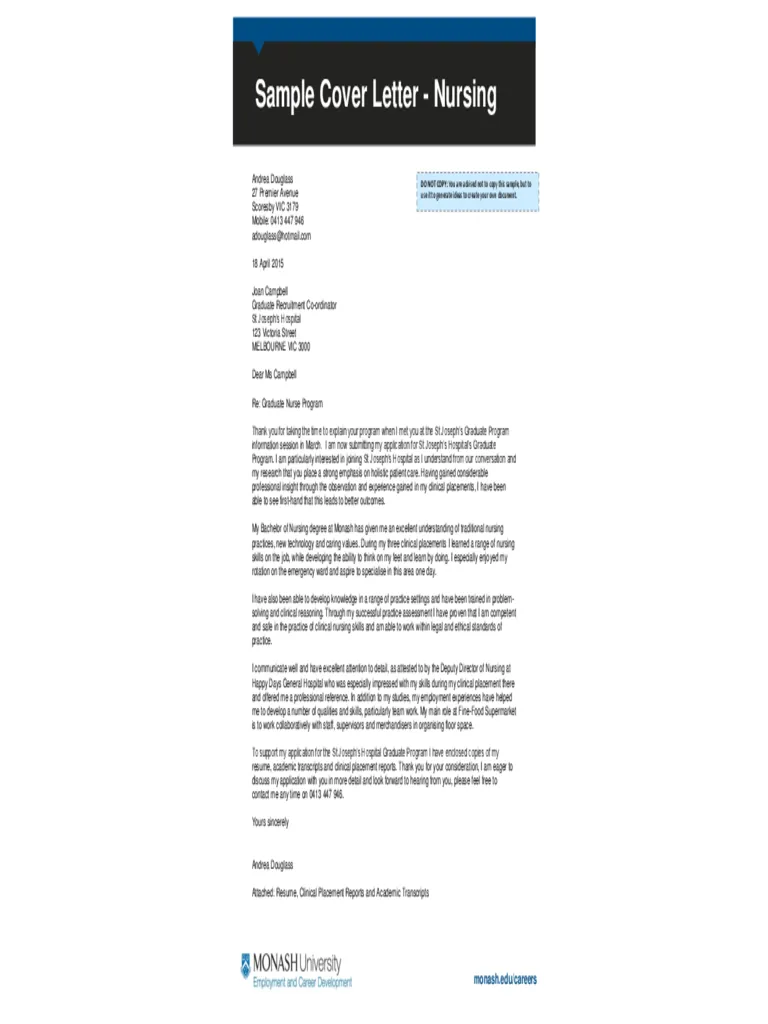
Crafting a Compelling Cover Letter Cold Email
In the competitive world of job hunting, standing out from the crowd is crucial. A cold email cover letter, though less common than a traditional application, can be a powerful tool to get noticed by potential employers. It allows you to reach out directly, express your interest, and demonstrate initiative. However, a generic, poorly crafted email will likely end up in the trash. This guide will walk you through seven key strategies to create a cold email cover letter that captures attention and gets you closer to landing your dream job. Mastering the art of the cold email cover letter can significantly boost your chances of securing an interview and ultimately, an offer. It is a valuable skill in today’s job market, where direct outreach can be the key to unlocking hidden opportunities.
Personalization is Key
Generic emails scream ‘mass blast’ and are easily dismissed. Personalization is what separates a successful cold email from the countless others. Taking the time to tailor your message to the specific recipient and the company is essential. This shows you’ve done your homework and are genuinely interested, making you much more likely to make a positive impression. It’s not just about addressing the email to the right person; it’s about showing you understand their role, their company’s mission, and how your skills align with their needs. This effort demonstrates respect for the recipient’s time and signals that you are serious about the opportunity.
Researching the Recipient

Before you even begin writing, research the person you’re emailing. Look them up on LinkedIn, read their articles or blog posts, and understand their background. This will give you valuable insights to personalize your message effectively. Find out their role, their recent accomplishments, and any common ground you might share. Knowing their background allows you to tailor your email to their specific interests and needs, showing that you have taken the time to learn about them. A personalized email feels less like a generic message and more like a thoughtful communication from a potential colleague.
Tailoring the Email to the Specific Job/Company
If you are applying for a specific role, ensure your email is tailored to the job description. Highlight the skills and experiences most relevant to the position. Even if there isn’t a specific job posting, research the company and align your skills with their mission, values, and recent projects. Mentioning specific projects, initiatives, or company values in your email indicates that you have done your research. Demonstrating a solid understanding of the company’s goals will show that you are not just looking for any job, but that you are specifically interested in their organization. It highlights your genuine interest and attention to detail.
Highlighting Relevant Skills and Experiences
Your cold email cover letter is your chance to showcase your value. Clearly articulate your skills and experiences, focusing on what makes you a strong candidate. This is not the time for a full resume dump, but rather a carefully curated selection of your most relevant qualifications. Tailor this selection to align with the recipient and the specific role or company you are targeting. Don’t just list your skills; provide brief, compelling examples of how you’ve used those skills to achieve results. By connecting your skills to their needs, you demonstrate the direct benefit you can bring to their team and set yourself apart from other applicants.
Quantifying Achievements

Whenever possible, quantify your achievements. Instead of saying “Improved sales,” say “Increased sales by 15% in six months.” Numbers make your accomplishments more concrete and memorable. Quantifiable results demonstrate the impact you’ve made in previous roles, making it easier for the recipient to understand the value you bring to the table. Use metrics, percentages, and specific numbers to showcase your achievements. Such measurable results offer a clear understanding of your capabilities, enhancing your credibility and showing that you are a results-driven professional.
Using Action Verbs
Start your sentences with strong action verbs. This will help your email sound dynamic and impactful. Words like “achieved,” “led,” “developed,” and “implemented” make your descriptions more vivid and engaging. Action verbs paint a picture of you as an active and results-oriented individual. Instead of passively stating your responsibilities, use action verbs to highlight the contributions you’ve made in your previous roles. This approach not only captures the reader’s attention but also shows your ability to initiate and drive projects.
Demonstrating Genuine Interest
Show that you’re genuinely interested in the company and the opportunity. This goes beyond a generic statement. Show your interest by referencing specific company initiatives, products, or values. This demonstrates you’ve taken the time to understand their work and are not just sending a mass email. If you can, connect your skills and experiences directly to what the company does. This shows the recipient that you’re not just interested in a job; you’re interested in making a positive contribution to their team. Your genuine interest can be the deciding factor in whether they choose to respond to your cold email.
Referencing Company Values or Recent Projects
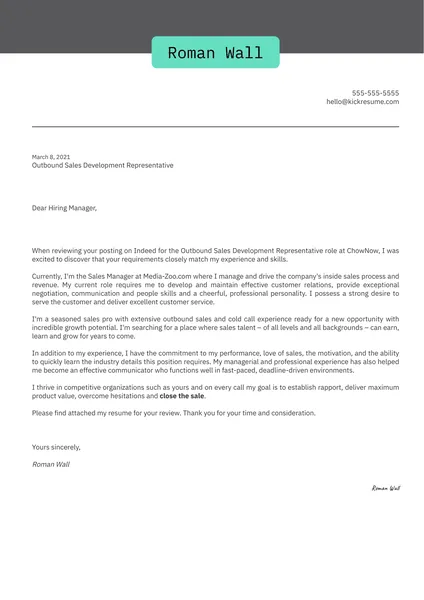
Demonstrate your understanding of the company by referencing their values or recent projects. This shows that you have done your research and are genuinely interested in their work. Connecting your skills and experiences to the company’s current initiatives shows that you are able to add immediate value. Showing this level of awareness demonstrates that you have a clear idea of how your skills can benefit the company, making you a more attractive candidate. Aligning your interests with the company values enhances your credibility and increases the likelihood of your email being noticed.
Showing, Don’t Just Telling
Instead of simply stating your qualities, provide examples that illustrate those qualities. For example, instead of saying “I am a good leader,” describe a time you led a team to success. Show, don’t just tell, is a vital principle in writing a compelling email. Providing specific, concrete examples of your achievements and skills brings your email to life, making it more memorable and demonstrating your value. Back up your claims with evidence so that the recipient can easily understand your capabilities and the value you can bring to the organization.
Making a Strong Opening
The first few sentences of your email are crucial. They need to grab the reader’s attention immediately and make them want to continue reading. A weak opening can lead to the immediate deletion of your email. Make your opening concise, compelling, and relevant. The goal is to pique the recipient’s interest quickly and provide a clear reason for them to read on. Consider using a strong statement, an intriguing question, or a direct connection to the recipient or company. The opening sentence should immediately explain why you are contacting them and what you bring to the table.
Grabbing Attention Immediately

Start with something that will immediately grab the reader’s attention. This could be a striking statement, a compelling statistic, or a relevant question. The opening sentence should be tailored to your audience and to the company. A memorable opening makes your email stand out from the many other emails. Use a brief introduction that showcases your enthusiasm, or try a compelling hook. The opening should be a window into the body of the email, creating intrigue and encouraging the recipient to read the entire message.
Avoiding Generic Greetings
Avoid generic greetings like “To Whom It May Concern.” If possible, find out the name of the person you’re contacting and address them directly. This shows respect and indicates that you’ve taken the time to personalize your message. Addressing the recipient by name makes the email feel less like a mass email and more like a personalized message. If you cannot find a specific name, try to address the email to the department or the team you are contacting. Personalizing the greeting enhances the connection and makes the recipient more likely to read your email.
Structuring for Readability
Ensure your email is easy to read. Use formatting techniques to break up large blocks of text and make the information more digestible. This is even more important in a cold email, where the recipient might be reading on their mobile device. Clear, concise, and well-structured content increases the chances of your email being read. Your goal is to present your information in a way that is easy to consume, making it more likely that the reader will read your entire email. Well-structured formatting will make your message stand out.
Using Short Paragraphs and Bullet Points

Use short paragraphs and bullet points to break up the text. This makes the email easier to scan and digest. Nobody wants to read a wall of text, especially on a screen. Short paragraphs, bullet points, and clear headings make the content more digestible. This approach will increase the chances of your email being read, as it makes it easier for the reader to quickly grasp the main points. Employing concise sentences helps the recipient to grasp the core message without getting lost in overly complex explanations.
Formatting for Easy Scanning
Format your email for easy scanning. Use bold text for important information, such as your key skills or achievements. Use clear headings and subheadings to organize your content. This formatting approach helps the reader quickly find the most relevant information. Bold text, clear headings, and concise language all play a crucial role in formatting an email that is easy to scan. Prioritize readability by creating an intuitive structure that makes the key aspects of your professional background easily discernible. This allows the reader to quickly assess your qualifications and decide to continue reading or take further action.
Including a Clear Call to Action
Don’t leave the reader wondering what to do next. Include a clear call to action, whether you’re requesting a call, a meeting, or a response to specific questions. The call to action should be direct and easy to follow. Your email should have a clear purpose; make sure to state it explicitly. Guide the reader on the next step. A clear call to action guides the recipient toward a specific action, ensuring that they know what you want them to do. It increases the likelihood of a positive response and shows that you are proactive. It also creates a sense of clarity and purpose, making your message more effective.
Requesting a Conversation or Meeting

If you’re looking to explore an opportunity, request a brief conversation or meeting. This is a more direct approach and signals your interest in moving forward. Make it easy for the recipient to say yes, providing a specific time or a brief explanation of the topics you’d like to discuss. Offer to schedule a brief call or meeting. This proactive approach shows your initiative and makes it easier for the recipient to take action. A direct request for a conversation is more effective than a vague statement of interest.
Providing Contact Information
Make it easy for the recipient to contact you. Provide your email address, phone number, and LinkedIn profile. Ensure your contact information is up-to-date and professional. Make sure your contact information is readily available and easily accessible. Providing your contact details ensures the recipient can easily reach you. This is critical for the response from the recipient to move forward in the hiring or networking process. Ensure that your contact details are prominently displayed.
Proofreading and Editing
Before sending your email, proofread it carefully. Ensure it is free of grammatical errors and typos. A polished email demonstrates professionalism and attention to detail. The final step should always be proofreading and editing. Errors can damage your credibility and make you look unprofessional. Always proofread your email before sending it, paying attention to grammar, spelling, and punctuation. Checking for errors is non-negotiable when it comes to crafting an effective cold email. A polished email will leave a lasting impression.
Checking for Grammatical Errors and Typos
Grammatical errors and typos can damage your credibility. Proofread your email carefully, or better yet, have a friend or colleague review it. It is helpful to use tools like Grammarly or other grammar checkers. The presence of errors indicates a lack of attention to detail. A well-written email showcases your professionalism and commitment. Ensure all grammar and spelling are correct. The reader could easily dismiss your email, even with your best intention, if there are too many errors. Make sure to avoid this situation.
Using a Professional Tone
Maintain a professional tone throughout your email. Avoid slang, excessive exclamation points, or overly casual language. Your email represents you, so make sure it reflects your best qualities. It is vital to maintain a professional tone from start to finish. Use a formal tone, but be engaging and personable. Use a professional tone, and make sure that the email reflects the best version of you. This shows that you can communicate in a professional manner. Make a positive impression on the recipient.
In conclusion, a cold email cover letter can be a powerful tool in your job search arsenal. By following these seven key strategies, you can create an email that grabs attention, highlights your qualifications, and gets you one step closer to your dream job. Remember to personalize your message, showcase your skills, and make it easy for the reader to take action. With careful planning and execution, your cold email cover letter can open doors to opportunities you never thought possible.