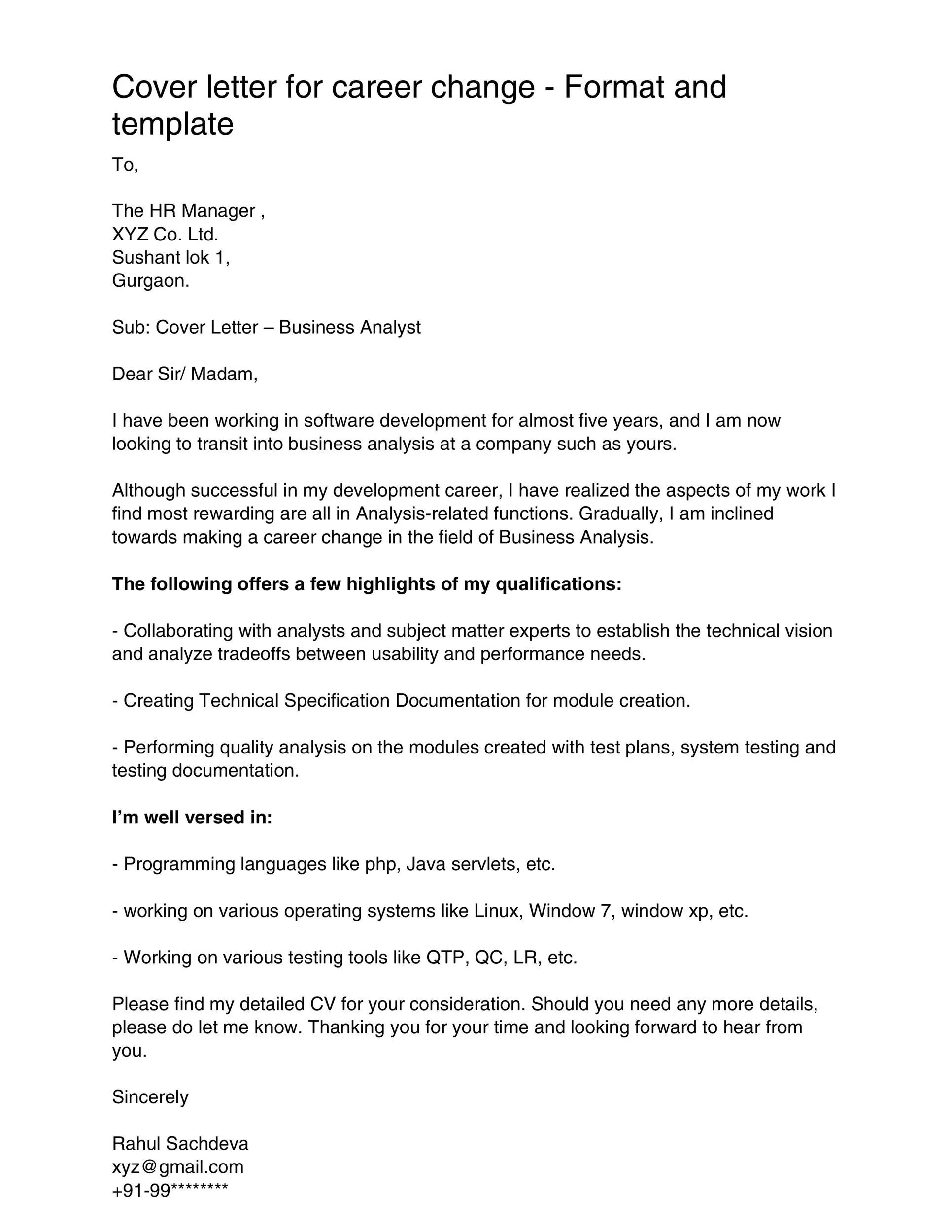
Cover Letter Examples for Career Change
Changing careers can be a challenging but rewarding journey. A well-crafted cover letter is essential for showcasing your skills and experience and convincing potential employers that you are the right fit for the new role. This guide provides examples and tips to help you create a compelling cover letter that highlights your strengths, addresses the career change, and demonstrates your enthusiasm. A strong cover letter can significantly increase your chances of landing an interview and ultimately securing your desired position. Remember, your cover letter is your opportunity to tell your story and explain why you are making a career change and what you bring to the table. It’s not just about what you’ve done but why you want to do something different, and why the hiring manager should care.
Highlighting Transferable Skills
One of the most crucial aspects of a career change cover letter is highlighting transferable skills. These are the skills you’ve gained in your previous roles that are applicable to your new desired field. Identify these skills and explicitly state how they can benefit the new employer. Think about skills like communication, problem-solving, leadership, project management, and technical skills. For example, if you’re transitioning from marketing to project management, highlight your experience in planning, organizing, and executing marketing campaigns as these are directly transferable to project management. Focus on how your skills meet the needs of the new role, which will make your application more appealing. Make a list before you start writing, and remember to tailor it for each job you apply for.
Identifying Your Core Strengths

Besides transferable skills, pinpoint your core strengths. What are you exceptionally good at? What do you enjoy doing? These strengths will not only impress a potential employer but also indicate whether you are a good fit for the company culture. For instance, if you’re transitioning into a role that requires high analytical skills, mention your experience in data analysis, reporting, or problem-solving. If the role requires strong communication skills, highlight your ability to articulate ideas clearly, present information effectively, and build rapport with clients. Identify the skills and attributes that set you apart from other candidates. This self-assessment will help you target what is crucial about you, making your cover letter more compelling.
Showcasing Relevant Experience
While you are changing careers, it is still important to showcase relevant experience. Even if your past experiences were not directly related to your new career, find elements that can be tied in. For instance, highlight any projects, volunteer work, or extracurricular activities that demonstrate your capabilities and dedication. If you’re moving from a non-profit background into tech, point out any tech-related projects you worked on or any tech skills you acquired. Focus on experiences that demonstrate your potential. For example, if you’re moving into a management position, you could mention any time you led a team, a project, or a task, even if it was on a small scale. Emphasize what you have done and how it prepared you for the future.
Quantifying Achievements
Instead of simply listing your responsibilities, use quantifiable achievements to demonstrate your impact in previous roles. This makes your cover letter more convincing and showcases your value to potential employers. Use numbers, percentages, and specific examples to illustrate your successes. For example, instead of writing “Managed social media campaigns,” write “Increased social media engagement by 30% within six months.” This will allow the reader to assess the value you bring. This is particularly important when you are changing careers because the reader might not initially see how your experience is relevant, but when you offer numbers, it offers proof and value in the experience. Always include numbers and try to demonstrate your success with metrics and results.
Addressing the Career Change

Don’t shy away from addressing your career change directly in your cover letter. Acknowledge your transition and explain why you are making a career shift. This helps to build trust and shows that you have carefully considered your decision. Explain what attracted you to the new field and what motivated the career change. Be honest and transparent about your reasons. Your explanation should be clear, concise, and sincere. Acknowledge the change, but don’t dwell on it. Instead, use this as an opportunity to frame your new career interest. Doing this removes the confusion about your goals, helping the reader focus on your skills, motivation, and enthusiasm.
Explaining Your Motivation
Provide a clear explanation of your motivation for the career change. What drives your passion for the new field? What is it about the new role or industry that excites you? Employers want to see that you are genuinely interested in the position and the company. Your motivation is a crucial factor in the hiring decision. Highlight how your skills and experience align with the company’s needs and how your passion will contribute to their success. Show that you have researched the company and understand its goals. Be genuine and enthusiastic in explaining your reasons for wanting to change careers. The more convinced you are about your next career, the more convincing you will be in the eyes of the hiring manager.
Demonstrating Enthusiasm
Your enthusiasm can make a significant difference in your cover letter. Demonstrate your excitement for the new role and the opportunity to contribute to the company. Use strong, positive language to express your eagerness to learn and grow in the new field. Show that you’ve researched the company and understand its mission and values. Tailor your cover letter to each specific role. Demonstrate that you’re passionate about the company and want to work there. Highlight aspects of the company that align with your values. Conveying enthusiasm shows that you are driven and eager to learn, making you a desirable candidate. This is what will make you stand out from other candidates.
Top 5 Cover Letter Examples for Career Change

Example 1 Marketing to Project Management
A marketing professional transitioning to project management would emphasize their project coordination skills, budget management experience, and cross-functional team leadership. They would mention their ability to manage deadlines, coordinate campaigns, and ensure projects are completed on time and within budget. The cover letter should highlight how their experience in marketing campaigns, content creation, and digital advertising can be applied to project management. This is a great way to use examples from the previous section to highlight transferable skills and give a real-world example of how to achieve this goal.
Example 2 Teacher to Data Analyst
A teacher moving into data analysis would highlight their skills in data analysis, data interpretation, and communication. Their cover letter might mention data assessment and analysis, as well as proficiency in statistical tools and software. Include details about their experience in collecting, organizing, and analyzing data. Include how the teacher managed large groups of students, and how the skills translate to data analysis. Show how their dedication to detail and data analysis makes them a strong fit for a data analyst role.
Example 3 Customer Service to Software Development

For someone transitioning from customer service to software development, the cover letter should emphasize their problem-solving skills, analytical abilities, and communication skills, particularly relating to technology. They would highlight their experience in debugging issues and solving customer problems. Include any coding courses or personal projects to demonstrate an interest in programming. Showcase experiences where they’ve used technology to assist customers. This person should focus on communication with the customer and the ability to analyze the problem. Furthermore, a lot of customer service revolves around the use of software, which gives another avenue to showcase your skills.
Example 4 Sales to Human Resources
A sales professional transitioning to HR would highlight their people skills, ability to build relationships, and their understanding of employee motivations. They would emphasize their experience in negotiating, conflict resolution, and their skills in the development of interpersonal relationships. This person should focus on skills of communication and relationship building. The cover letter would focus on their ability to understand, solve conflicts, and work with others. Include specific examples of successes in sales which would be transferable to HR roles.
Example 5 Accountant to Financial Analyst
An accountant shifting to a financial analyst role should highlight their skills in financial reporting, analytical skills, and experience in data analysis. They would show how the accountant understood the financial aspect of the business, and how it leads to their new role. Detail their experience with financial statements, budgeting, and forecasting. The cover letter should show their understanding of financial principles and their ability to analyze financial data. Include any skills or experience in using financial modeling tools.
Formatting and Style

Choosing the Right Format
Choose a format that is easy to read and highlights your transferable skills. A functional resume format might be most appropriate, as it emphasizes your skills rather than chronological work history. This format helps to shift the focus from your past roles to your qualifications for the new position. If you choose a chronological format, make sure to highlight transferable skills and accomplishments within each role. Make sure your contact information is clearly displayed. Your format should be professional, easy to follow, and easy on the eyes. Don’t use any complicated fonts. The main goal is to highlight the skills and experience that make you a good fit for the new job.
Using a Professional Tone
Maintain a professional tone throughout your cover letter. Avoid casual language, slang, and jargon that may not be understood by the hiring manager. Use formal language, such as “I am writing to express my interest” and “I am confident that I can excel in this role.” Be polite and respectful, and avoid any negative comments about your previous employer or roles. The tone sets the standard for you and highlights the professionalism you possess. Your cover letter is one of the first impressions you will create, so it is very important to have a good tone. A well-written cover letter with a good tone will make the hiring manager more receptive to reading your application and finding a fit.
Proofreading Your Cover Letter
Proofreading is essential. Before submitting your cover letter, carefully proofread it for any grammatical errors, typos, or inconsistencies. These mistakes can detract from your message and make you seem unprofessional. Ask a friend or family member to review your cover letter as a second set of eyes can help catch any errors you might have missed. Ensure your cover letter is tailored to the specific role, matches your resume, and accurately reflects your skills and experience. Make sure everything looks and sounds right. A polished cover letter shows attention to detail and professionalism. Proofreading is critical to landing the job, and doing this will greatly increase your chances.
Conclusion
Writing a cover letter for a career change requires careful consideration and strategic presentation of your skills and experience. By highlighting your transferable skills, showcasing relevant experience, addressing your career change, and demonstrating enthusiasm, you can create a compelling cover letter that captures the attention of potential employers. Remember to tailor your cover letter to each specific role, use a professional tone, and proofread your work. Following these tips will increase your chances of landing an interview and successfully transitioning into your desired career. With the right approach, a cover letter can be your most powerful tool in landing the job.