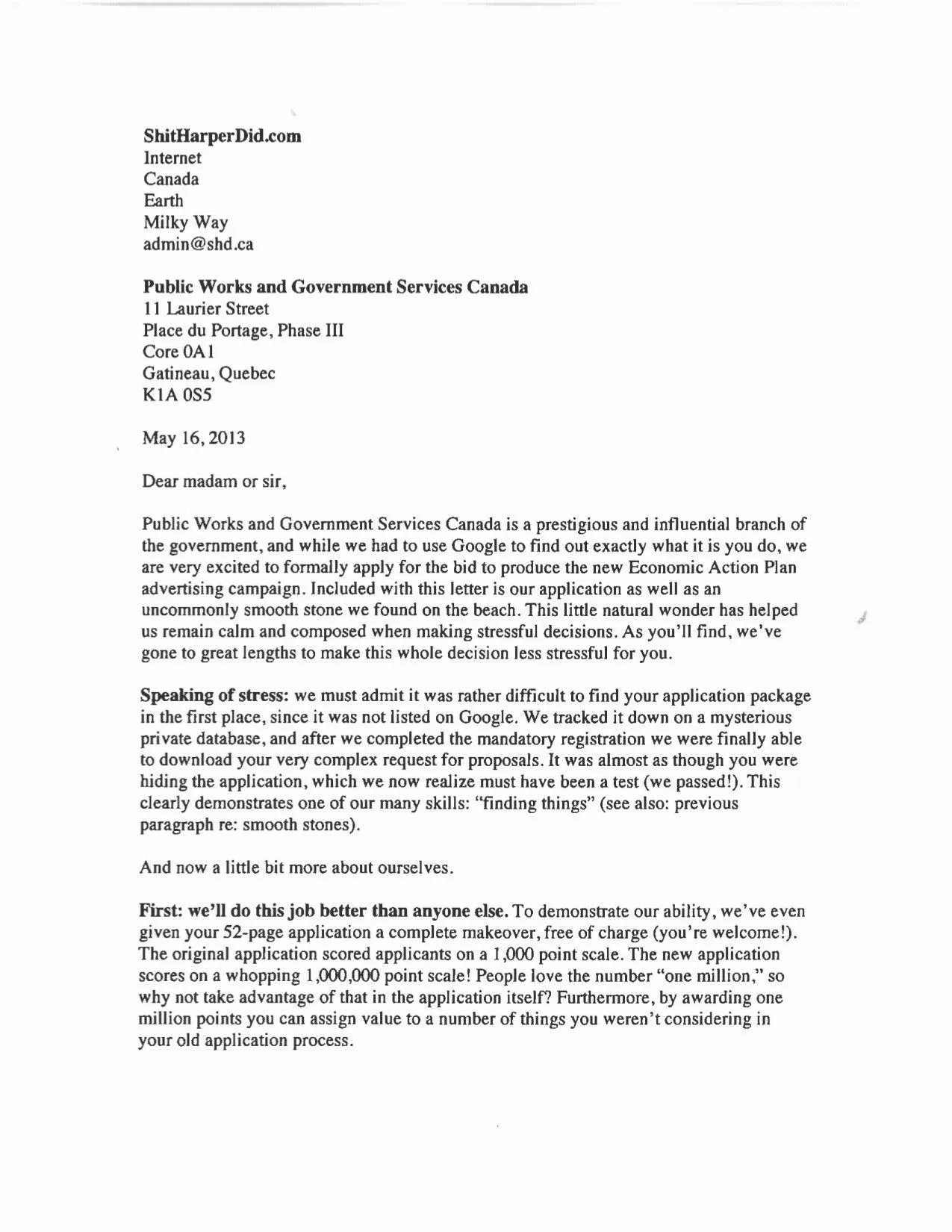
What is a Canada Cover Letter
A Canada cover letter is a crucial document that accompanies your resume when applying for jobs in Canada. It serves as your introduction to the hiring manager, providing an opportunity to highlight your skills, experience, and enthusiasm for the position. Unlike a resume, which offers a factual overview of your qualifications, a cover letter allows you to personalize your application and demonstrate how your unique abilities align with the specific requirements of the job and the values of the company. A well-crafted cover letter significantly increases your chances of getting an interview, making it an essential tool in your job search arsenal in the competitive Canadian job market. Many employers in Canada, particularly in professional fields, consider a cover letter a mandatory part of the application process and can immediately dismiss applications that do not include one. It’s an opportunity to make a strong first impression and differentiate yourself from other candidates.
Key Components of a Canada Cover Letter
Contact Information

At the top of your cover letter, include your full name, address, phone number, and email address. Ensure your email address is professional. It’s also recommended to include a link to your LinkedIn profile. This information allows the hiring manager to easily contact you. Consistency with your resume is important; the information here should match your resume exactly. Ensure that the contact details are current and accurate to avoid any miscommunication. Double-check for any typos or errors, as these can create a negative impression. The contact information provides the essential details for the hiring manager to reach out to you.
Date
Below your contact information, include the date the cover letter is written. This is important for record-keeping and helps the hiring manager understand when the application was submitted. The date should be formatted correctly, typically in a standard format like Month Day, Year. This ensures clarity and professionalism. Avoid using abbreviations or unconventional formats. The date ensures that the document is current, allowing the reader to quickly understand when it was written.
Recipient’s Information
If possible, address the cover letter to a specific person (the hiring manager or recruiter). Find the name by researching the company website, LinkedIn, or the job posting. If you can’t find a name, use a generic greeting like “Dear Hiring Manager.” Always include the recipient’s title and company name. Addressing the letter to a specific person shows that you’ve taken the time to research and personalize your application. It demonstrates attention to detail. This personalized approach makes your application stand out, making a better impression.
Salutation

Use a professional salutation, such as “Dear Mr./Ms./Mx. [Last Name],” if you know the hiring manager’s name. If you do not know the name, use “Dear Hiring Manager,” or “Dear [Department Name] Hiring Team.” Avoid informal greetings like “Hi” or “Hello.” Your salutation sets the tone for the rest of the letter. A professional salutation reflects respect and attention to detail.
Body Paragraph 1 Introduction & Hook
Start with a strong opening paragraph that grabs the reader’s attention. State the position you’re applying for and where you found the job posting. Briefly mention why you are interested in the position and the company. Highlight one or two key skills or experiences that make you a good fit. Your introduction should create interest and give a clear statement of intent. It sets the stage for the rest of the letter. Your aim is to make the reader want to learn more about you.
Body Paragraph 2 Highlight Skills & Experience
In this paragraph, provide specific examples of how your skills and experience match the job requirements. Use the keywords from the job description. Quantify your accomplishments whenever possible (e.g., “Increased sales by 15%”). Explain how your skills and experience align with the company’s needs. This demonstrates that you can perform the job and add value to the company. Focus on what you can offer the employer, using strong action verbs.
Body Paragraph 3 Show Company Knowledge & Enthusiasm

Show your knowledge of the company, its mission, and its values. Research the company and mention specific projects, initiatives, or aspects of the company that interest you. Express your enthusiasm for the opportunity. Demonstrating that you have researched the company shows genuine interest and engagement. This can set you apart from other applicants. Connect your personal values to the company’s values.
Body Paragraph 4 Call to Action & Closing
Reiterate your interest in the position and express your eagerness to discuss your qualifications further. Thank the hiring manager for their time and consideration. Include a clear call to action, such as “I look forward to hearing from you soon.” This encourages the hiring manager to take the next step. It leaves a positive final impression.
Closing & Signature
Use a professional closing, such as “Sincerely,” or “Best regards.” Type your full name below the closing. If you are submitting a physical copy of your cover letter, leave space for your handwritten signature above your typed name. Ensure your closing is appropriate and polite. It shows respect for the reader.
Formatting Your Canada Cover Letter

Font Choice
Choose a professional and easy-to-read font like Times New Roman, Arial, or Calibri. Avoid overly stylized or decorative fonts. Using a standard font ensures that your cover letter is accessible to all. This professionalism reflects well on you. A simple font helps the reader focus on the content.
Font Size and Readability
Use a font size between 10 and 12 points for body text. Use a slightly larger font size for headings. Ensure your text is easy to read on screen and in print. Make sure the font size is appropriate for the document. Ensure your cover letter is accessible to the reader.
Margins and Spacing

Use standard margins (1 inch on all sides). Use single spacing for the body of the letter, with a double space between paragraphs. Proper spacing improves readability and the overall appearance of the letter. Ensure your cover letter is well-organized and easy to read.
Length and Structure
Keep your cover letter concise, ideally no more than one page. Use a clear and logical structure with distinct paragraphs. Ensure each paragraph has a clear purpose. A brief and well-structured cover letter is easier to read. The format should make it easy for the hiring manager to quickly grasp the key points.
Tips for Writing a Killer Canada Cover Letter
Tailor Each Letter

Customize each cover letter to the specific job and company. Avoid using a generic cover letter for all applications. Research the company and the specific requirements of the job. Customizing your letter shows genuine interest. This significantly increases your chances of making a positive impression.
Use Keywords From the Job Description
Carefully review the job description and use relevant keywords in your cover letter. This helps your application get noticed by applicant tracking systems (ATS) and hiring managers. Keywords help demonstrate your qualifications and ensure your application is relevant. Pay attention to the language used in the job description.
Showcase Accomplishments
Focus on your accomplishments rather than just listing your responsibilities. Use the STAR method (Situation, Task, Action, Result) to describe your experiences. Quantify your achievements whenever possible. Highlighting accomplishments proves your value. This sets you apart from other candidates.
Proofread Carefully

Always proofread your cover letter for any typos, grammatical errors, or formatting inconsistencies. Ask a friend or family member to review it as well. Errors create a negative impression and can undermine your credibility. Proofreading demonstrates attention to detail and professionalism.
Common Mistakes to Avoid
Generic Content
Avoid using generic or boilerplate cover letters. Tailor each letter to the specific job and company. Demonstrate that you have researched the company and understand the job requirements. A generic letter does not show that you are genuinely interested in the position. This will lower your chances of getting an interview.
Typos and Grammatical Errors
Carelessly written cover letters with typos and grammatical errors create a negative impression. They demonstrate a lack of attention to detail. Always proofread your cover letter carefully. Ask someone else to review it. These errors can immediately lead to your application being rejected.
Negative Tone
Avoid using a negative tone or making negative statements about past employers or experiences. Focus on your skills and accomplishments. Your cover letter should project confidence and enthusiasm. A negative tone can make you seem difficult to work with. Maintain a positive and professional tone.
Ignoring Instructions
If the job posting provides specific instructions for submitting your cover letter (e.g., specific file format, required content), make sure to follow them. Failing to follow instructions can be seen as a sign of carelessness or a lack of attention to detail. This will make the hiring manager think you are not a good fit for the role. Always read and adhere to all instructions.