Crafting Your Business School Cover Letter
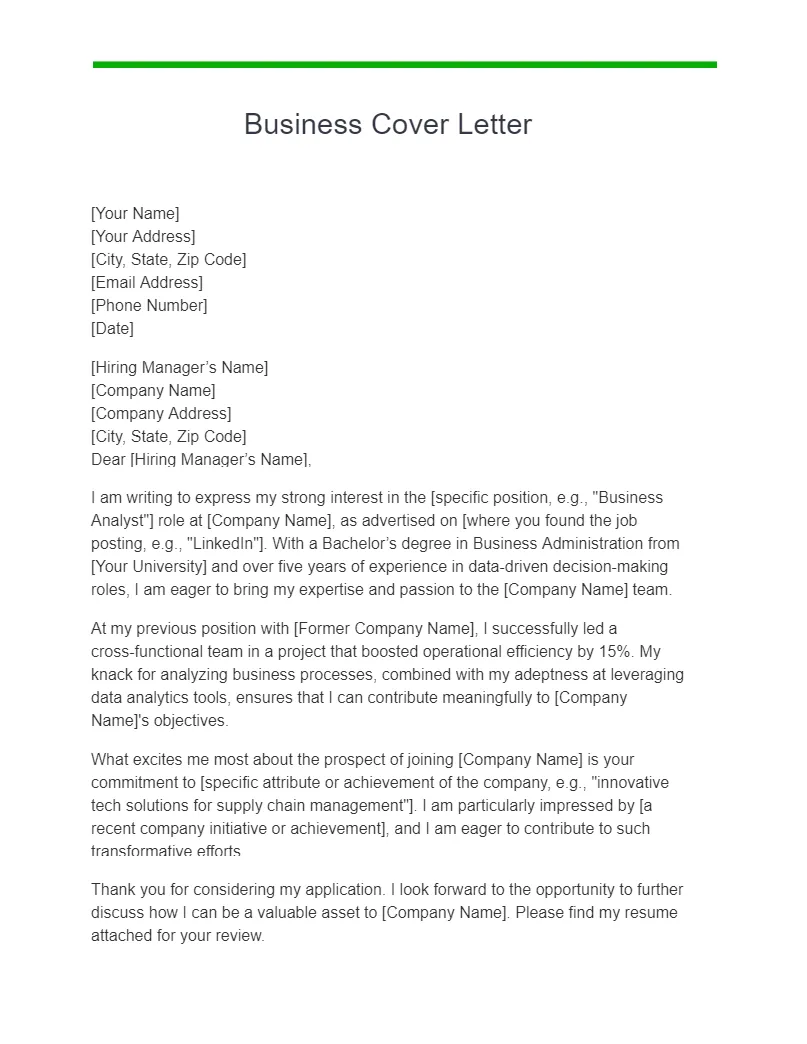
A compelling business school cover letter is your first opportunity to make a strong impression on the admissions committee. It’s more than just a formality; it’s your chance to showcase your unique qualifications, express your passion for business, and articulate why you’re a perfect fit for their program. This guide will provide you with the essential tools and insights needed to craft a standout cover letter that captures the attention of admissions officers and increases your chances of acceptance. Your cover letter is a critical component of your application, offering a platform to present a narrative that complements your resume and academic transcripts. With careful planning and execution, you can transform this letter into a powerful asset in your quest to attend business school. Throughout this guide, we will discuss the key elements, structure, and best practices necessary to write a cover letter that distinguishes you from other applicants.
Understanding the Purpose of a Cover Letter
The primary purpose of a business school cover letter is to provide context to your application. It allows you to explain your aspirations, connect your past experiences to your future goals, and convey your personality and enthusiasm in a way that a resume cannot. The cover letter provides a space to articulate ‘why’ you want to pursue an MBA or similar degree. It offers a personalized glimpse into your ambitions and your understanding of what you hope to gain from the program. In short, your cover letter humanizes your application and provides the admissions committee with a deeper understanding of who you are beyond your academic and professional credentials.
Highlighting Your Achievements

A key part of your cover letter is highlighting your accomplishments. This includes detailing your successes in previous roles, educational achievements, and any other significant milestones. Quantify your achievements whenever possible to showcase the impact you’ve made. Did you increase sales? Improve efficiency? Lead a successful project? Use numbers to illustrate your value. Remember to emphasize how your achievements align with your goals for attending business school. Explain how your past accomplishments have prepared you for the challenges of an MBA program. Show the admissions committee that you have a proven track record of success, and that you’re ready to apply your skills in a business school environment. Use this as a chance to set yourself apart.
Quantifying Your Accomplishments
Quantifying your accomplishments is vital to demonstrate the impact of your contributions in a concrete way. Instead of just saying you ‘improved sales,’ specify by how much. Did you increase sales by 15% in six months? Did you lead a team that exceeded its revenue targets by 20%? Such details provide tangible evidence of your abilities and the value you bring to the table. Always use metrics to illustrate the magnitude of your achievements. Including these details is critical when writing your business school cover letter. They make your achievements more believable and memorable. For instance, instead of writing, ‘Managed a team,’ write, ‘Managed a team of 10, leading to a 10% increase in project efficiency.’ These specifics resonate far more powerfully with the admissions committee. Focus on clear, concise metrics to quantify your accomplishments.
Showcasing Leadership Skills
Business schools highly value leadership skills, so be sure to highlight your leadership experiences in your cover letter. These don’t necessarily need to be formal leadership positions. They can include instances where you’ve taken initiative, motivated a team, or successfully steered a project. Describe specific situations where you’ve demonstrated leadership. Share stories that illustrate your ability to inspire and guide others. The goal is to demonstrate that you have the capacity to lead and make a positive impact on others. Show how you’ve effectively led teams, resolved conflicts, or made critical decisions. Leadership isn’t just about holding a title; it’s about your actions and the influence you wield. Be sure to mention how you’ve used your leadership skills to create positive changes within your organization.
Demonstrating Teamwork and Collaboration

Teamwork and collaboration are paramount in the business world. Highlight instances where you’ve worked effectively with others to achieve common goals. Describe your role in collaborative projects and how you contributed to the team’s success. Provide specific examples of how you’ve resolved conflicts, communicated effectively, and supported your colleagues. If you have participated in group projects, volunteer work, or other team-oriented activities, include details about those experiences. Show the admissions committee that you are a team player, capable of building consensus and driving collective results. Illustrate how you have adapted to different team dynamics and how you have utilized communication skills to foster a positive environment. Focus on the value of working together to achieve the goals.
Structuring Your Business School Cover Letter
A well-structured cover letter is easy to read and effectively conveys your message. The standard structure generally follows this format: header, opening paragraph, body paragraphs (typically two or three), and closing paragraph. This is the best way to organize your message. Each component plays a crucial role in presenting your qualifications and goals. Pay close attention to the flow and clarity of your writing, as this is where you will make your first impression on the admissions committee. Ensure a seamless transition between paragraphs. Make sure that your cover letter has a clear beginning, middle, and end. The right structure allows your message to be clearly understood. A well-structured cover letter is more likely to captivate the admissions committee.
Formatting Your Cover Letter
Professional formatting is critical for making a good first impression. Use a readable font like Times New Roman or Arial, and keep the font size between 11 and 12 points. Maintain consistent margins (1 inch is standard) and use single or 1.15 line spacing. Use a clear font and consistent spacing throughout your letter. Ensure that your cover letter is visually appealing and easy to read. The overall presentation of your cover letter matters a lot. Make it simple, and easy to read. Use a standard business letter format with proper indentation and spacing. These elements contribute to the professional appearance of your letter and reflect attention to detail, which is essential for business school applications.
Header and Contact Information
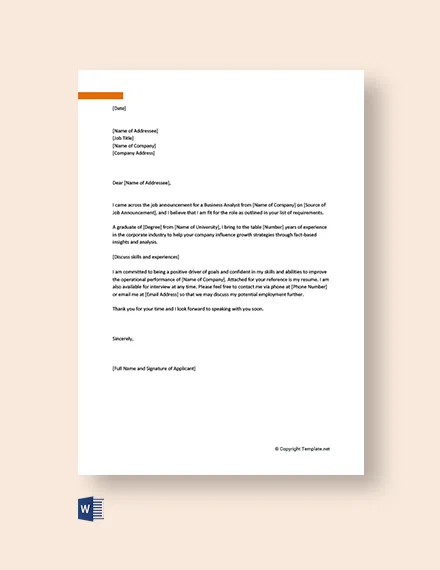
Your header should include your full name, address, phone number, and email address. Make sure your contact information is up-to-date and professional. Include the date and the name and address of the admissions office. Address the letter to the specific person if possible. This is the first thing admissions officers will see, so make sure it’s perfect. Always double-check the contact details to prevent mistakes. Providing the correct and accurate information makes your application look professional. It also ensures that the admissions committee can contact you promptly.
Body Paragraphs
The body of your cover letter is where you make your case. It typically consists of two or three paragraphs that expand on your qualifications, experiences, and aspirations. Each paragraph should focus on a specific theme or aspect of your application. The goal is to tell a compelling story that highlights your unique qualities and demonstrates why you’re a strong candidate for the program. Ensure that the paragraphs flow seamlessly, transitioning from one idea to the next. Use the body paragraphs to connect your past experiences with your future goals. Use the body paragraphs to sell yourself and make your case. Every paragraph has its own purpose and you must know what to say.
First Paragraph Introduction
Your introduction should immediately grab the reader’s attention. State clearly that you are applying to the business school and mention the specific program. Briefly introduce yourself and highlight your most compelling qualifications. Indicate your enthusiasm for the program and the reasons why you are interested in attending. Try to hook the reader immediately and express your goals. Start with a strong opening statement. This paragraph sets the tone for your letter and makes the first impression. Clearly state your purpose for writing, and grab the reader’s attention. It’s about expressing your ambitions and your goals, and why you want to apply to the program.
Second Paragraph

The second paragraph is the perfect place to discuss your key achievements and experiences. This paragraph gives you the space to expand on your qualifications. Focus on a few key experiences that highlight your skills and abilities. Mention a significant project you led, a challenge you overcame, or a success you achieved. This is where you tell your story and illustrate your qualifications. These stories and experiences set you apart. Use this paragraph to sell yourself.
Third Paragraph
In the third paragraph, connect your past experiences to your future goals. Explain how your experiences have prepared you for business school. Detail what you hope to achieve through the program and how it aligns with your career aspirations. Discuss your long-term goals and why this specific school is the right fit for you. Show the admissions committee that you’ve thought about your future and how the MBA will help you reach your goals. This is where you connect your career goals and aspirations. Be clear about your ambition and what you hope to achieve.
The Closing Paragraph
The closing paragraph should summarize your main points. Reiterate your interest in the program and express your gratitude for their time and consideration. Thank the admissions committee for their time and emphasize your enthusiasm for joining the program. Offer a final statement that confirms your belief that you are an excellent candidate. End with a professional closing, such as “Sincerely” or “Respectfully,” followed by your full name. Proofread this paragraph carefully to ensure it is polished and professional. This is the final opportunity to make a strong impression, so make sure it’s done right.
Proofreading and Editing Your Cover Letter

Before submitting your cover letter, carefully proofread and edit it. This step is crucial to ensure that your writing is polished and free of errors. Errors, such as typos or grammatical mistakes, can detract from the overall impression you make. It’s important to eliminate any mistakes before submitting your letter. Proofreading ensures that your letter reflects your best self. Take the time to revise and edit, because a polished cover letter shows that you care. Proofread for grammar, spelling, punctuation, and sentence structure. A well-written cover letter shows you are serious about your application. This is a critical final step in the process.
Reviewing for Grammar and Spelling
Check for errors in grammar, spelling, and punctuation. Use a grammar checker to identify mistakes, but don’t rely on it completely. Proofread the document yourself. Read it aloud to catch awkward phrasing or unclear sentences. It’s also recommended that you have someone else review your letter. They might spot mistakes that you’ve missed. Make sure every sentence is grammatically correct. Correct any errors in your cover letter. This ensures that the admissions committee sees you at your best. Proofreading ensures that your writing is clear and professional. Take your time to edit your letter.
Tailoring Your Letter for Each School
One size does not fit all when it comes to business school cover letters. Tailor each cover letter to the specific school and program you are applying to. Research the school’s mission, values, and culture, and then align your letter with these aspects. Address any specific requirements or questions mentioned in the application instructions. Demonstrate that you have taken the time to understand the school and its programs. This personalization shows the admissions committee that you are genuinely interested in their school. Tailor your cover letter to the school you’re applying to. You should always tailor your cover letter to the specific requirements. Make sure you know about the school and tailor your message accordingly.
Researching the Business School

Before writing your cover letter, research the business school thoroughly. Learn about its academic programs, faculty, and campus culture. Visit the school’s website, read student profiles, and review the curriculum. Demonstrate that you understand the school’s mission and values. Reference specific courses, professors, or initiatives that resonate with you. Researching the school allows you to customize your letter and show your genuine interest. Make sure to know about the school you are applying to. Demonstrate that you understand the school’s values and programs. Make sure you’ve studied the school you are applying to.
Addressing Specific Program Requirements
Pay close attention to any specific requirements or prompts in the application instructions. Some business schools may ask specific questions or request that you address certain topics in your cover letter. Make sure that you answer any questions or prompts in full. Don’t ignore any part of the application. Address any requirements in detail. These instructions can be your guide, and they can help make sure you write a great cover letter. Follow every instruction and requirement closely.
Showcasing Your Personality and Goals
Your cover letter should reflect your personality and goals. It’s your opportunity to show who you are beyond your resume. Share your passions and aspirations and explain why you’re excited about attending business school. Let your unique voice shine through. Use this letter to demonstrate your personality and your ambitions. Show the admissions committee why you are interested in the school. Make your letter personal. It is important that the reader knows your goals.
Expressing Your Passion for Business

Convey your passion for business throughout your cover letter. This shows your sincere interest and enthusiasm for the field. Share your reasons for pursuing an MBA or other business-related degree. Explain what motivates you and what you hope to achieve in your career. Emphasize your interest in a business career, show your goals, and explain why you want to succeed. Business schools want students who are passionate about business. Make sure to show your passion for business. Express your enthusiasm for business, and what you want to achieve in your career.
Connecting Your Goals with the School’s Values
Demonstrate how your goals align with the values and mission of the business school. Show that you understand the school’s core principles and its commitment to excellence. Discuss how the program can help you achieve your career aspirations. Show the admissions committee that you’re not just looking for a degree, but a place to grow. Relate the program’s values with your career goals. Show the school that you share their core values. Connect your career goals with the school’s values. Make sure the school’s goals align with your own.