What is a Brand Ambassador Cover Letter?
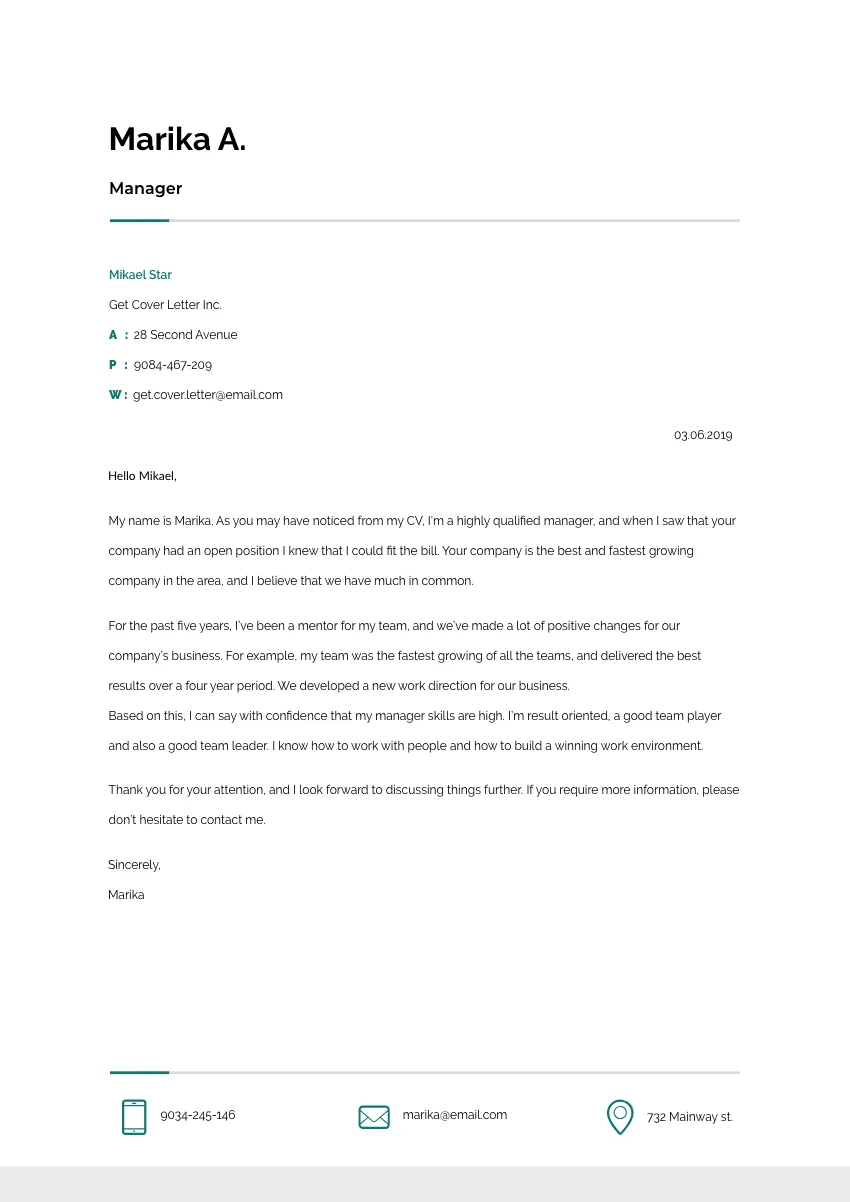
A brand ambassador cover letter is a crucial document that accompanies your resume when applying for a brand ambassador position. It serves as your introduction to the hiring manager and provides an opportunity to showcase your enthusiasm, skills, and experience in a more personalized way than your resume allows. It’s your chance to make a strong first impression and explain why you’re the perfect fit for the role and the brand. It’s not just a formality; it’s a strategic tool to highlight your unique value proposition and persuade the employer to invite you for an interview.
Why is a Cover Letter Important?
While a resume provides a snapshot of your qualifications, a cover letter allows you to tell a story. It enables you to connect your skills and experiences directly to the specific requirements of the brand ambassador role. It demonstrates your writing ability, communication skills, and genuine interest in the company. A well-crafted cover letter sets you apart from other applicants who might only submit a resume. It shows that you’ve taken the time to understand the brand, the role, and how you can contribute to its success. In a competitive job market, a cover letter can be the deciding factor.
Key Elements of a Brand Ambassador Cover Letter

A strong brand ambassador cover letter includes several key elements that work together to make a compelling case for your candidacy. These elements ensure your letter is professional, informative, and persuasive. Each section serves a specific purpose, guiding the reader through your qualifications and demonstrating your suitability for the position. Understanding these components is crucial for creating an effective cover letter that grabs the reader’s attention and prompts them to learn more about you.
Your Contact Information and the Date
Begin with your contact information: your name, address, phone number, and email address. This ensures the hiring manager can easily reach you. Include the date you’re sending the letter. Place this information at the top of the page, either left-aligned or centered. Make sure all information is accurate and up-to-date.
Recruiter’s Information
If possible, address the letter to a specific person, such as the hiring manager or the recruiter. Find their name on the job posting or the company website. If you can’t find a specific name, use the appropriate title, like “Hiring Manager.” Always double-check the spelling of their name; this is crucial for showing attention to detail.
Greeting the Hiring Manager

Use a professional greeting. Start with “Dear [Mr./Ms./Mx. Last Name],” if you know the hiring manager’s name. If you don’t know the name, use a general greeting like “Dear Hiring Manager,” or “Dear [Company Name] Hiring Team.” Avoid informal greetings such as “Hello” or “Hi.”
Crafting Your Opening Paragraph
Start with a strong opening statement. State the position you’re applying for and how you learned about it. Briefly mention your enthusiasm for the brand and why you’re a good fit for the role. You can also highlight a key skill or experience that makes you stand out. Keep it concise and engaging to immediately capture the reader’s interest.
Highlighting Relevant Experience
Provide specific examples of your relevant experience. Describe how your past roles align with the requirements of the brand ambassador position. Quantify your achievements whenever possible (e.g., “Increased social media engagement by 30%”). Use action verbs to describe your responsibilities and achievements. Show how your experience demonstrates your ability to successfully promote the brand and engage with the target audience.
Showcasing Your Skills

Identify and showcase the skills most relevant to a brand ambassador role. These might include communication, interpersonal skills, social media proficiency, public speaking, sales, and problem-solving. Provide examples of how you’ve demonstrated these skills in the past. Tailor your skills section to match the specific requirements of the job description, highlighting the skills the employer is looking for.
Mentioning Your Enthusiasm for the Brand
Express your genuine enthusiasm for the brand. Explain why you’re passionate about the company’s products or services. Show that you understand the brand’s values, mission, and target audience. Share a personal story or anecdote that demonstrates your connection to the brand. This will show that you’re not just looking for a job but genuinely interested in representing the company.
Closing Your Cover Letter
End your letter with a strong closing statement. Reiterate your interest in the position and your belief that you’re a good fit. Include a call to action, such as requesting an interview. Thank the hiring manager for their time and consideration. Use a professional closing, like “Sincerely” or “Best regards,” followed by your full name.
Proofreading and Editing Your Cover Letter

Before submitting your cover letter, proofread it carefully. Check for any grammatical errors, typos, or punctuation mistakes. Read your cover letter aloud to ensure the writing flows smoothly. Have a friend or family member review your cover letter for feedback. A polished cover letter shows attention to detail and professionalism. Use a tool like Grammarly to check for errors.
Brand Ambassador Cover Letter Samples
Reviewing cover letter samples can provide valuable insights into effective writing techniques and formatting styles. These samples can serve as a template, helping you structure your own cover letter and highlight your qualifications effectively. Each sample showcases different approaches, allowing you to choose the one that best reflects your background and the specific requirements of the job you’re applying for. Use these examples as a starting point and tailor them to reflect your unique skills and experiences.
Sample 1 Focused on Experience
This sample focuses on showcasing your relevant experience, demonstrating how your past roles have equipped you with the skills necessary to excel as a brand ambassador. It emphasizes the responsibilities you’ve held, the accomplishments you’ve achieved, and the quantifiable results you’ve delivered. This approach is particularly effective if you have a strong track record in marketing, sales, or customer engagement. Tailor the content to reflect your accomplishments, using action verbs and providing specific examples to demonstrate the impact of your work.
Sample 2 Highlighting Skills
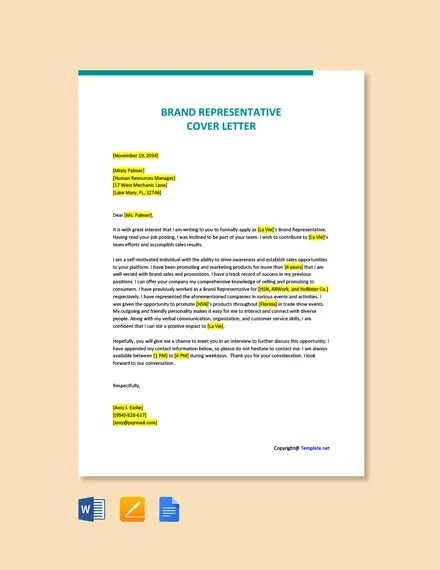
This sample highlights your skills, emphasizing your communication, interpersonal, and social media abilities. It demonstrates how you’ve effectively used these skills in previous roles to build brand awareness, engage with customers, and drive sales. This approach is ideal if you have a diverse skill set that aligns with the brand ambassador position requirements. Focus on demonstrating how you’ve utilized your skills in practice, providing specific examples of successful campaigns, interactions, or presentations.
Sample 3 Demonstrating Brand Alignment
This sample emphasizes your passion for the brand, showcasing how your values and interests align with the company’s mission and target audience. It’s a great way to demonstrate your genuine enthusiasm and connect with the hiring manager on a personal level. Share your personal connection to the brand, highlight your understanding of its values, and explain how you can contribute to its success. This approach helps you stand out from the competition by demonstrating your commitment to the company and the position.
Tips for Tailoring Your Cover Letter
Customizing your cover letter is crucial for making a strong impression. A generic cover letter that isn’t tailored to the specific job or company is easily identified and can be an immediate rejection signal. Tailoring your letter demonstrates that you have taken the time to understand the role, the brand, and the company’s needs. This personalization showcases your genuine interest, attention to detail, and your ability to connect with the organization’s values and mission. Always customize your cover letter to match each job you apply for, highlighting relevant skills and experiences.
Researching the Company and Brand

Thoroughly research the company and brand. Visit the company website, review their social media profiles, and read news articles about the brand. Understand their mission, values, products, and target audience. This research will help you tailor your cover letter to align with the brand’s specific needs and demonstrate your genuine interest in the company. Use the information to highlight how your skills and experience match their requirements and express your enthusiasm for their brand.
Using Keywords from the Job Description
Carefully review the job description and identify the keywords that the company uses to describe the required skills and experience. Incorporate these keywords into your cover letter to demonstrate that you meet the qualifications. This helps the hiring manager quickly identify that you are a good fit for the role and can help your application get past automated screening systems. Ensure that the keywords are used naturally within the text, not stuffed in a way that feels unnatural.
Personalizing Your Letter
Personalize your cover letter by addressing the hiring manager by name. Show your personality, enthusiasm, and unique perspective. Share a personal story or anecdote that demonstrates your connection to the brand or your relevant experience. This personalization helps you stand out from other applicants and shows your genuine interest in the position.
Mistakes to Avoid in Your Cover Letter

Avoiding common mistakes in your brand ambassador cover letter is essential for making a positive impression and increasing your chances of getting hired. Errors such as generic content, typos, and a lack of enthusiasm can quickly lead to the rejection of your application. Pay attention to detail and ensure your cover letter is polished, professional, and tailored to the specific requirements of the role. This will show that you are a serious candidate and make a positive impact on the hiring manager.
Generic Content
Avoid using generic, canned phrases. Tailor your cover letter to each job application. Do not use the same letter for multiple applications. Highlight how your specific skills and experience align with the job requirements. Generic content shows a lack of interest in the specific role and company. Employers want to see that you have taken the time to understand their brand and that you are genuinely interested in the position.
Typos and Grammatical Errors
Typos and grammatical errors can undermine your credibility. Proofread your cover letter carefully before submitting it. Use spell-check and grammar-check tools, but don’t rely on them completely. Have a friend or family member review your cover letter for you. A cover letter with errors suggests a lack of attention to detail, which is a crucial trait for a brand ambassador.
Lack of Enthusiasm
Show your enthusiasm for the brand and the position. Express your excitement about the opportunity to represent the company. Avoid sounding too formal or detached. Share your personal connection to the brand and explain why you’re passionate about its products or services. A cover letter that demonstrates your enthusiasm is much more likely to grab the hiring manager’s attention.
Next Steps After Submitting Your Cover Letter
After submitting your brand ambassador cover letter, it’s important to take the next steps to increase your chances of being selected for an interview. These steps demonstrate your continued interest in the position and help you stand out from other applicants. Following up professionally and preparing thoroughly for an interview are essential for turning your application into a job offer.
Following Up
Follow up with the hiring manager a week or two after submitting your application. Send a brief email expressing your continued interest in the position and reiterating your qualifications. Thank them for their time and consideration. Keep your message concise and professional. Following up demonstrates your initiative and commitment to the opportunity. Make sure the email does not come across as pushy or annoying.
Preparing for an Interview
Prepare for the interview by researching the company and the role. Anticipate common interview questions related to your experience, skills, and enthusiasm for the brand. Practice your answers, and be prepared to share examples of your past accomplishments. Dress professionally and arrive on time, and be prepared to show the best version of yourself during the interview. The more you prepare, the more confident you will be during your interview and the higher your chances of securing the position.