Understanding the Purpose of an Attorney Cover Letter
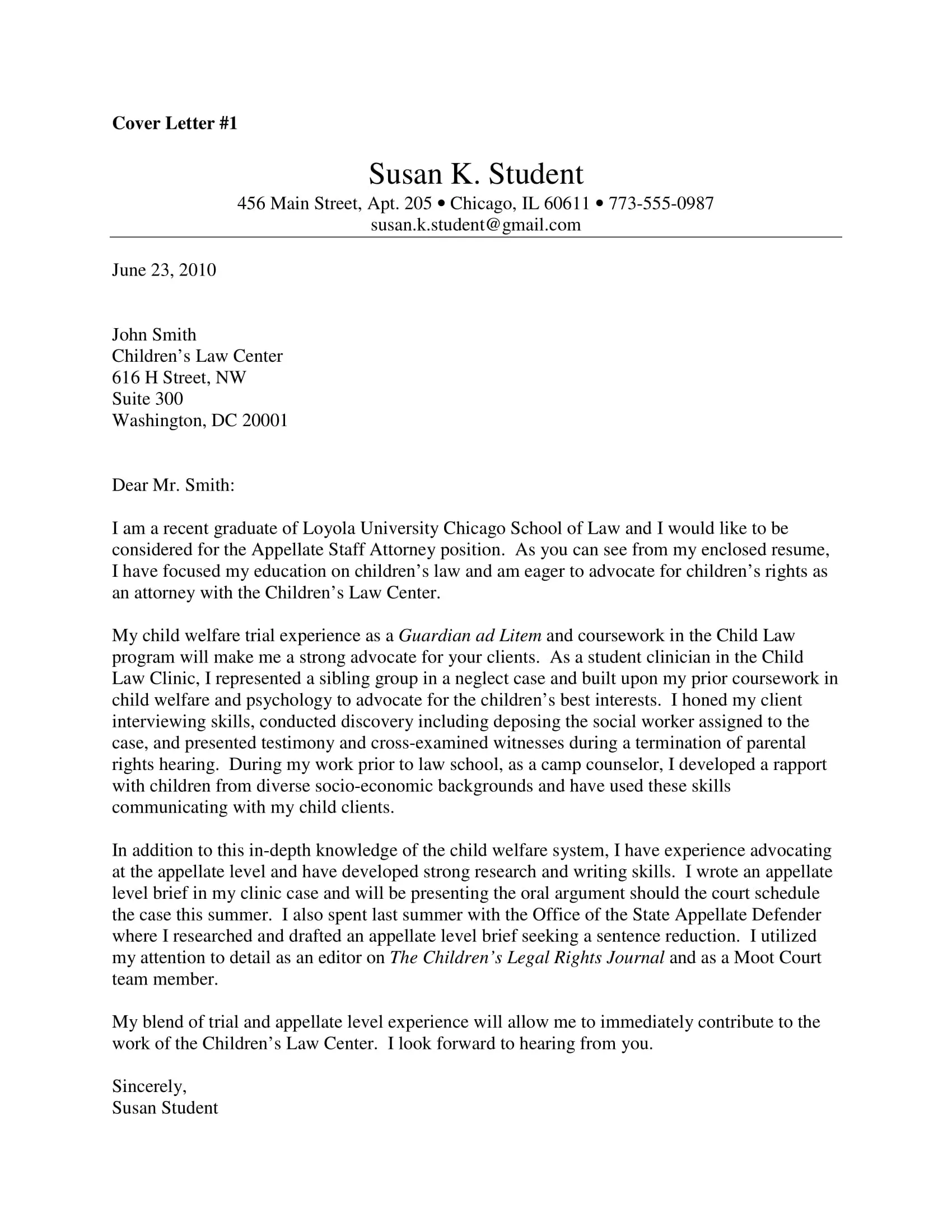
An attorney cover letter serves as your first impression on a potential employer. It’s more than just a formality; it’s a crucial opportunity to showcase your personality, legal expertise, and suitability for the specific role. Unlike your resume, which provides a factual overview of your qualifications, the cover letter allows you to tell a story, demonstrating your passion for the law and highlighting how your skills align with the firm’s needs. This document isn’t just about listing past experiences; it’s about illustrating how those experiences have prepared you for the challenges and responsibilities of the attorney position, persuading the hiring manager that you’re the ideal candidate to interview and ultimately, to hire. A well-crafted cover letter differentiates you from other applicants, signaling your attention to detail, strong communication skills, and genuine interest in the opportunity. It’s your chance to make a compelling case for why you deserve the job.
Key Elements of a Winning Attorney Cover Letter
A winning attorney cover letter goes beyond a basic introduction and summary of your resume. It strategically presents your qualifications in a way that aligns directly with the job description and the firm’s values. The key is to balance professionalism with personality, letting your enthusiasm for law shine through while maintaining a formal tone. This requires careful attention to detail, from the initial contact information to the final call to action. A compelling cover letter should captivate the reader and encourage them to delve deeper into your resume. Remember, every word counts, and each sentence should serve a purpose in convincing the hiring manager that you are the right person for the job. A well-structured and professionally presented cover letter can significantly increase your chances of securing an interview and ultimately, landing your dream legal position.
Contact Information and Formatting

Begin your cover letter by including your contact information. This should be at the top, typically on the left-hand side, and include your full name, address, phone number, and professional email address. Ensure your email address is professional and not overly casual. Following your contact information, include the date and the recipient’s contact information, including the hiring manager’s name, title, and the firm’s address. The formatting should be clean and easy to read. Use a standard font like Times New Roman or Arial, with a font size of 11 or 12 points. Maintain consistent margins and spacing throughout the document to ensure a polished and professional look. This initial section sets the stage for the rest of your letter and demonstrates your attention to detail, a crucial skill for any attorney. A well-formatted cover letter shows respect for the reader and the opportunity.
Professional Salutation
Always address the hiring manager by name. Research the firm to identify the correct individual, or use a general salutation if the name is unavailable. Using the hiring manager’s name shows that you have taken the time to research and personalize your application. Begin with “Dear Mr./Ms./Mx. [Last Name],” avoiding overly casual greetings. If you are unable to find a specific name, a suitable alternative is “Dear Hiring Manager” or “Dear [Firm Name] Hiring Team.” Avoid generic salutations like “To Whom It May Concern,” which can make your letter feel impersonal. The salutation is your first interaction with the reader, so it should be professional, respectful, and tailored to the specific recipient if possible. This small detail can make a significant difference in how your application is perceived.
Crafting a Compelling Opening
The opening paragraph is your chance to grab the reader’s attention. Instead of simply stating that you’re applying for the position, immediately highlight why you’re a strong candidate. You can mention a specific achievement, skill, or experience that aligns with the job requirements. Show, don’t just tell; demonstrate your value through a concise and impactful opening statement. State the position you are applying for and where you found the job listing, if applicable. Then, succinctly express your interest in the role and the firm. Consider using a strong action verb or a statement that conveys your enthusiasm for the opportunity. A well-crafted opening sets the tone for the rest of your letter and entices the hiring manager to keep reading. It’s a critical opportunity to make a positive first impression and distinguish yourself from other applicants.
Highlighting Relevant Skills and Experience

The body of your cover letter should focus on showcasing your relevant skills and experience, emphasizing how they align with the job description. Review the job posting carefully and identify the key requirements and qualifications sought by the employer. Then, select the most relevant experiences from your resume and elaborate on them, providing specific examples of how you’ve demonstrated those skills in past roles. Quantify your achievements whenever possible; use numbers and data to illustrate the impact of your work. This section should not simply reiterate your resume but should expand upon it, providing additional context and detail to support your claims. Tailor your examples to the specific requirements of the role, demonstrating that you understand the firm’s needs and can contribute to its success. This section is your primary opportunity to convince the hiring manager that you possess the capabilities needed to excel in the attorney position.
Quantifying Achievements
Quantifying your achievements is a powerful way to demonstrate your impact and make your cover letter more compelling. Instead of just stating that you were successful in a particular role, provide specific metrics to illustrate the extent of your accomplishments. For example, instead of saying “Managed a high volume of cases,” you could say “Managed a caseload of 50+ cases simultaneously, achieving a 95% success rate in settlements.” Use numbers, percentages, and data to showcase your accomplishments. This provides concrete evidence of your abilities and allows the hiring manager to easily assess your contributions. When possible, quantify achievements related to the specific requirements of the job. Did you reduce costs, improve efficiency, or increase client satisfaction? Highlighting such quantifiable results will make your cover letter more persuasive and memorable.
Tailoring Your Cover Letter to the Job Description
Customization is key. Never send a generic cover letter. Take the time to tailor each letter to the specific job and the firm. Carefully review the job description and identify the key requirements, skills, and qualifications they are seeking. Then, weave these elements into your cover letter, using examples from your experience to demonstrate how you meet those criteria. Research the firm’s values, mission, and recent activities. If possible, mention something specific about the firm that interests you, demonstrating that you’ve done your homework. This attention to detail shows that you are genuinely interested in the opportunity and that you have taken the time to understand the role and the organization. Tailoring your letter demonstrates that you are not just sending out a mass application, but that you are specifically targeting this position, greatly increasing your chances of securing an interview.
Demonstrating Your Passion for Law

Demonstrate your genuine passion for the law. Attorneys are expected to be committed to their work, so showing your enthusiasm can set you apart. Express your specific interests within the legal field, detailing any areas of law that particularly excite you. Mention specific cases, legal concepts, or developments that have captured your attention. If you have participated in moot court, law review, or other activities that showcase your interest, be sure to highlight them. This is an excellent opportunity to convey your dedication and commitment to the legal profession. This passion, coupled with your skills, can make a lasting impression on the hiring manager. A cover letter is a great place to let your excitement for the law shine through, creating a compelling narrative that aligns your career goals with the needs of the firm.
Closing with a Strong Call to Action
End your cover letter with a clear call to action. Express your enthusiasm for an interview, and state your availability. Thank the hiring manager for their time and consideration. Reiterate your interest in the position and the firm. A strong call to action ensures that the hiring manager knows what you want them to do next. Provide your contact information once more, and express your eagerness to discuss the opportunity further. This final step reinforces your interest and provides a clear path for the employer to contact you. A strong closing paragraph reinforces your key qualifications and leaves a lasting positive impression, ultimately increasing your chances of moving forward in the application process.
Proofreading and Editing Your Cover Letter
Before submitting your cover letter, meticulously proofread and edit it. Errors in grammar, spelling, and punctuation can undermine your professionalism and credibility. Read the letter aloud to catch any awkward phrasing or unclear sentences. Have a trusted friend, mentor, or career advisor review it for feedback. Pay close attention to the tone, ensuring it’s professional and engaging. Make sure the letter is well-organized, with clear paragraphs and logical flow. Ensure that your name, contact information, and the recipient’s details are accurate. Proofreading is an essential step in the application process. A polished, error-free cover letter demonstrates your attention to detail and commitment to excellence, qualities that are highly valued in the legal profession.
Examples of Strong Attorney Cover Letters

Reviewing examples of strong attorney cover letters can provide valuable insights into best practices. Look for examples that are tailored to specific roles and firms, highlighting relevant skills and experience. Analyze the structure, language, and tone of successful cover letters. Pay attention to how the candidates frame their accomplishments and demonstrate their passion for the law. Adapt the elements of successful examples to your own cover letter, ensuring it reflects your unique qualifications and personality. Numerous online resources, including career websites and legal blogs, offer sample cover letters. When reviewing examples, focus on the elements that make them effective, and use them as inspiration to create a compelling and customized cover letter that showcases your strengths and increases your chances of landing an interview.
Common Mistakes to Avoid in Your Cover Letter
Avoid these common mistakes. Do not use generic templates; always personalize your letter. Avoid typos and grammatical errors by proofreading carefully. Do not simply restate your resume; expand on your experiences and provide context. Refrain from being overly casual or informal in your tone. Avoid mentioning salary expectations unless specifically requested. Do not send a cover letter that is too long; keep it concise and focused. Ensure you are not sending a letter to the wrong company. Stay positive and enthusiastic; avoid negative comments about previous employers. Ensure you have a professional email address. By avoiding these pitfalls, you can create a cover letter that effectively highlights your strengths and increases your chances of landing an attorney job.
Submitting Your Cover Letter Effectively
Submit your cover letter in the correct format, following the instructions provided in the job posting. Usually, this means sending it as a PDF document, along with your resume. Name your files professionally, using your name and the job title. Proofread your application one last time before submitting it. Double-check the recipient’s email address and the firm’s website. Some applications are submitted through online portals. If there are specific instructions, be sure to follow them precisely. Be prompt and submit your application before the deadline. A professional, well-organized, and error-free submission process shows your attention to detail and respect for the opportunity, increasing your chances of making a positive impression and securing an interview.